

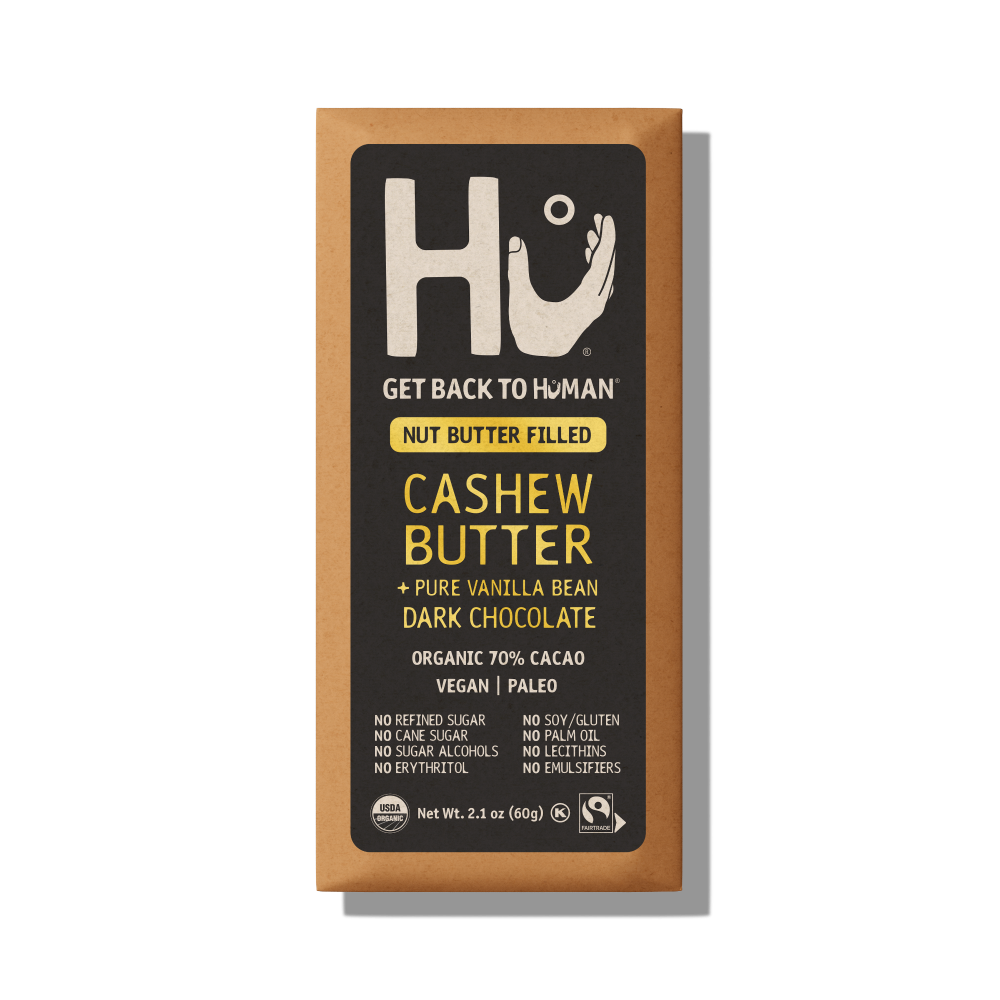

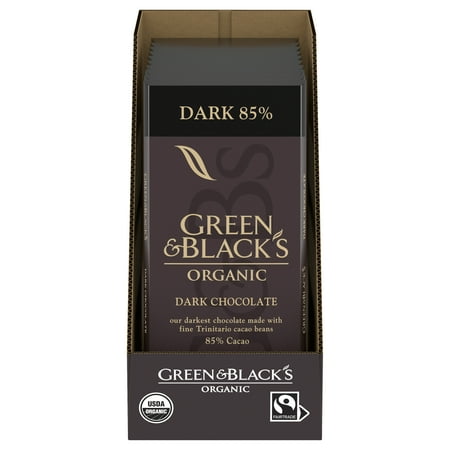

Dark chocolate peanut butter cups
Analysis updated September 2026 · How Scout scores
At a glance
Summary
This product contains a mix of beneficial and harmful ingredients. The use of organic cocoa mass, cocoa butter, and peanuts provides a good source of antioxidants and healthy fats. However, the presence of palm oil and emulsifiers like soy lecithin and sunflower lecithin introduces concerns about heart health and gut health. The product is processed, which limits its score despite the organic certification and some high-quality ingredients.
Key ingredients 13
Cocoa massVery Good
Cocoa mass is a rich source of antioxidants and flavonoids, which support heart health. It is minimally processed and retains most of the natural nutrients found in cocoa beans. Organic certification ensures no harmful pesticides are used.
Benefits
Rich in antioxidants that may reduce inflammation and improve heart health. Contains flavonoids that support cardiovascular function.
Cocoa butterGood
Cocoa butter is a healthy fat derived from cocoa beans, rich in stearic acid which may support heart health. It is minimally processed and retains beneficial compounds. Organic certification ensures purity and quality.
Benefits
Contains healthy fats that may support cardiovascular health and provide a smooth texture to chocolate products.
Vanilla extractGood
Vanilla extract is a natural flavoring derived from vanilla beans, known for its antioxidant properties. It is minimally processed and adds a pleasant aroma and taste. Organic certification ensures no synthetic additives are used.
Benefits
Contains antioxidants and enhances flavor without adding calories or sugar.
PeanutsGood
Peanuts are a nutrient-dense legume rich in protein, healthy fats, and various vitamins and minerals. They are minimally processed and provide a good source of plant-based protein. Organic certification ensures no harmful pesticides are used.
Risks
Potential allergen for some individuals, which can cause severe allergic reactions.
Benefits
Rich in protein and healthy fats, supporting muscle growth and heart health.
Coconut butterGood
Coconut butter is made from pureed coconut flesh, providing healthy fats and fiber. It is minimally processed and retains the natural nutrients of coconut. Organic certification ensures no synthetic additives are used.
Benefits
Rich in medium-chain triglycerides (MCTs) that may support metabolism and provide quick energy.
Sea saltGood
Sea salt is a natural source of sodium and trace minerals, minimally processed to retain its natural composition. It enhances flavor without the additives found in refined table salt. Organic certification ensures purity.
Risks
Excessive sodium intake can lead to hypertension and cardiovascular issues.
Benefits
Provides essential minerals and enhances flavor in foods.
Coconut oilGood
Coconut oil is a source of medium-chain triglycerides (MCTs), which may support metabolism and provide quick energy. It is minimally processed and retains the natural benefits of coconut. Organic certification ensures no synthetic additives are used.
Risks
High in saturated fats, which may impact heart health if consumed in excess.
Benefits
Rich in MCTs that may support metabolism and provide quick energy.
Evaporated cane sugarNeutral
Evaporated cane sugar is a less refined form of sugar, retaining some molasses content. It is still a source of empty calories with minimal nutritional benefits. Organic certification indicates it is free from synthetic pesticides.
Risks
Excessive consumption can lead to weight gain and increased risk of metabolic diseases.
Benefits
Provides energy but lacks significant nutritional benefits beyond caloric content.
Peanut flourNeutral
Standard formulation ingredient — neither beneficial nor harmful at typical use.
Risks
Potential allergen for some individuals, which can cause severe allergic reactions.
Benefits
High in protein and fiber, supporting muscle growth and digestive health.
Cane sugarBad
Processed additive flagged under Scout's ingredient doctrine.
Risks
Excessive consumption can lead to weight gain and increased risk of metabolic diseases.
Benefits
Provides energy but lacks significant nutritional benefits beyond caloric content.
Soy lecithinBad
Soy lecithin is a processed emulsifier used to improve texture and shelf life. It is derived from soybeans, which may be genetically modified unless specified as organic. Overconsumption of emulsifiers can affect gut health.
Risks
May cause digestive issues in sensitive individuals and is often derived from genetically modified soybeans.
Benefits
Improves texture and consistency in chocolate products, but offers no significant nutritional benefits.
Palm oilBad
Palm oil is a widely used vegetable oil high in saturated fats, which can impact heart health if consumed in excess. It is often associated with environmental concerns due to deforestation. Organic certification may mitigate some environmental impacts.
Risks
High saturated fat content may contribute to cardiovascular disease if consumed in large amounts.
Benefits
Provides a stable cooking fat with a long shelf life, but offers limited nutritional benefits.
Sunflower lecithinBad
Sunflower lecithin is an emulsifier used to improve texture and shelf life. It is derived from sunflower seeds and is less processed than soy lecithin. Overconsumption of emulsifiers can affect gut health.
Risks
May cause digestive issues in sensitive individuals.
Benefits
Improves texture and consistency in food products, but offers no significant nutritional benefits.
Processing
Processed Foods
Get the full breakdown in the Scout appTake Scout shopping
Scan any product to see lab results, healthy alternatives, and your personalized analysis.
Download on theApp Store GET IT ONGoogle Play