



At a glance
Summary
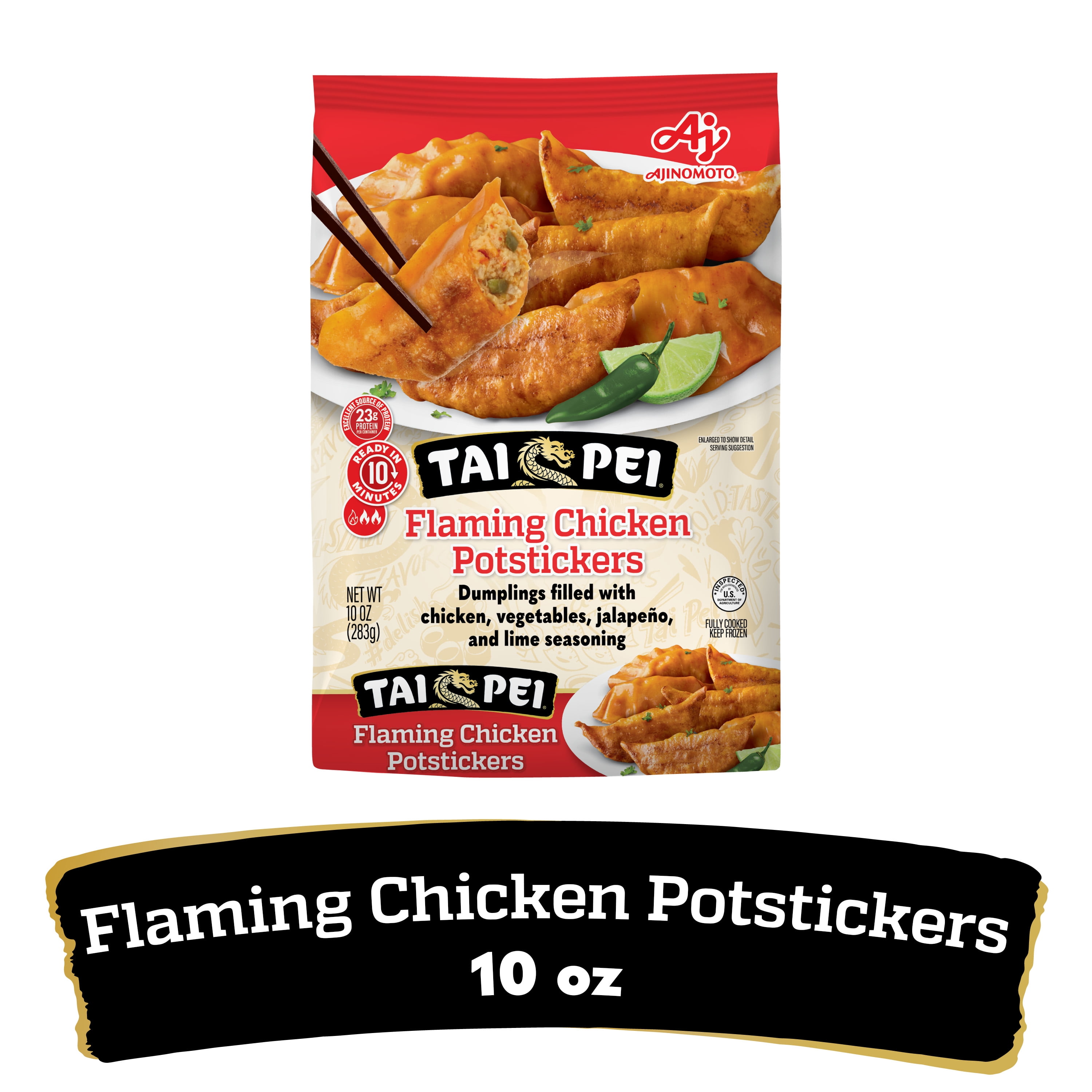
The chicken potstickers contain beneficial ingredients like chicken and cabbage, which provide protein and essential nutrients. However, the presence of soybean oil, a highly processed seed oil, and refined sugar detracts from the overall healthiness of the product. Additionally, the product is processed, which limits its potential score due to the inclusion of additives and less desirable ingredients.
Key ingredients 11
ChickenGood
Chicken is a high-quality source of protein that supports muscle growth and repair. It provides essential amino acids and is generally low in fat. Compared to plant-based proteins, it offers a more complete amino acid profile.
Benefits
Rich in protein and essential nutrients like B vitamins and selenium, supporting overall health and wellness.
CabbageGood
Cabbage is a nutrient-dense vegetable rich in vitamins C and K. It contains antioxidants that may help reduce inflammation. Its fiber content supports digestive health.
Benefits
Provides dietary fiber and essential vitamins, contributing to a balanced diet and supporting immune function.
Green OnionNeutral
Green onion adds flavor and a small amount of vitamins and minerals. It is used in small quantities and does not significantly impact nutritional value. Its contribution to overall health is minimal due to the small serving size.
Benefits
Adds flavor and a small amount of nutrients like vitamin C and folate.
GingerNeutral
Ginger is known for its anti-inflammatory properties and ability to aid digestion. It is used in small amounts primarily for flavor. Its health benefits are limited in this context due to the small quantity used.
Benefits
May aid digestion and reduce inflammation, though benefits are limited in small quantities.
Flavor EnhancerNeutral
Flavor enhancers like yeast and yeast extract are used to improve taste. They are generally considered safe but provide no significant nutritional benefits. Their impact is primarily sensory rather than nutritional.
Benefits
Enhances flavor without adding significant calories or nutrients.
Sesame Seed OilNeutral
Sesame seed oil is a source of healthy fats and antioxidants. It is used in small amounts for flavor and does not significantly impact the nutritional profile. Its benefits are limited due to the small quantity used.
Benefits
Contains antioxidants and healthy fats, though benefits are limited in small quantities.
SaltNeutral
Salt is used to enhance flavor and preserve food. It is essential for maintaining fluid balance and nerve function. However, excessive intake can lead to health issues such as hypertension.
Risks
Excessive consumption can lead to high blood pressure and cardiovascular issues.
Benefits
Essential for maintaining fluid balance and nerve function.
CornstarchNeutral
Cornstarch is used as a thickening agent and provides carbohydrates. It is a refined product with minimal nutritional value. Its role is primarily functional in food texture.
Benefits
Provides texture and structure, though minimal nutritional benefits.
SugarBad
Refined sugar is a source of empty calories and can contribute to weight gain and metabolic issues. It provides no essential nutrients and can lead to increased blood sugar levels. Excessive consumption is linked to various health problems.
Risks
High intake can lead to obesity, type 2 diabetes, and dental issues.
Wheat FlourBad
Refined grain flour stripped of bran and germ.
Risks
May cause issues for individuals with gluten intolerance or celiac disease.
Benefits
Provides carbohydrates for energy, though lacks fiber and nutrients of whole grains.
Soybean OilVery Bad
Soybean oil is high in omega-6 fatty acids, which can promote inflammation when consumed in excess. It is a highly processed seed oil with potential negative health impacts. Compared to healthier oils, it lacks beneficial monounsaturated fats.
Risks
High omega-6 content may promote inflammation when consumed in excess.
Processing
Processed Foods
Get the full breakdown in the Scout appTake Scout shopping
Scan any product to see lab results, healthy alternatives, and your personalized analysis.
Download on theApp Store GET IT ONGoogle Play