
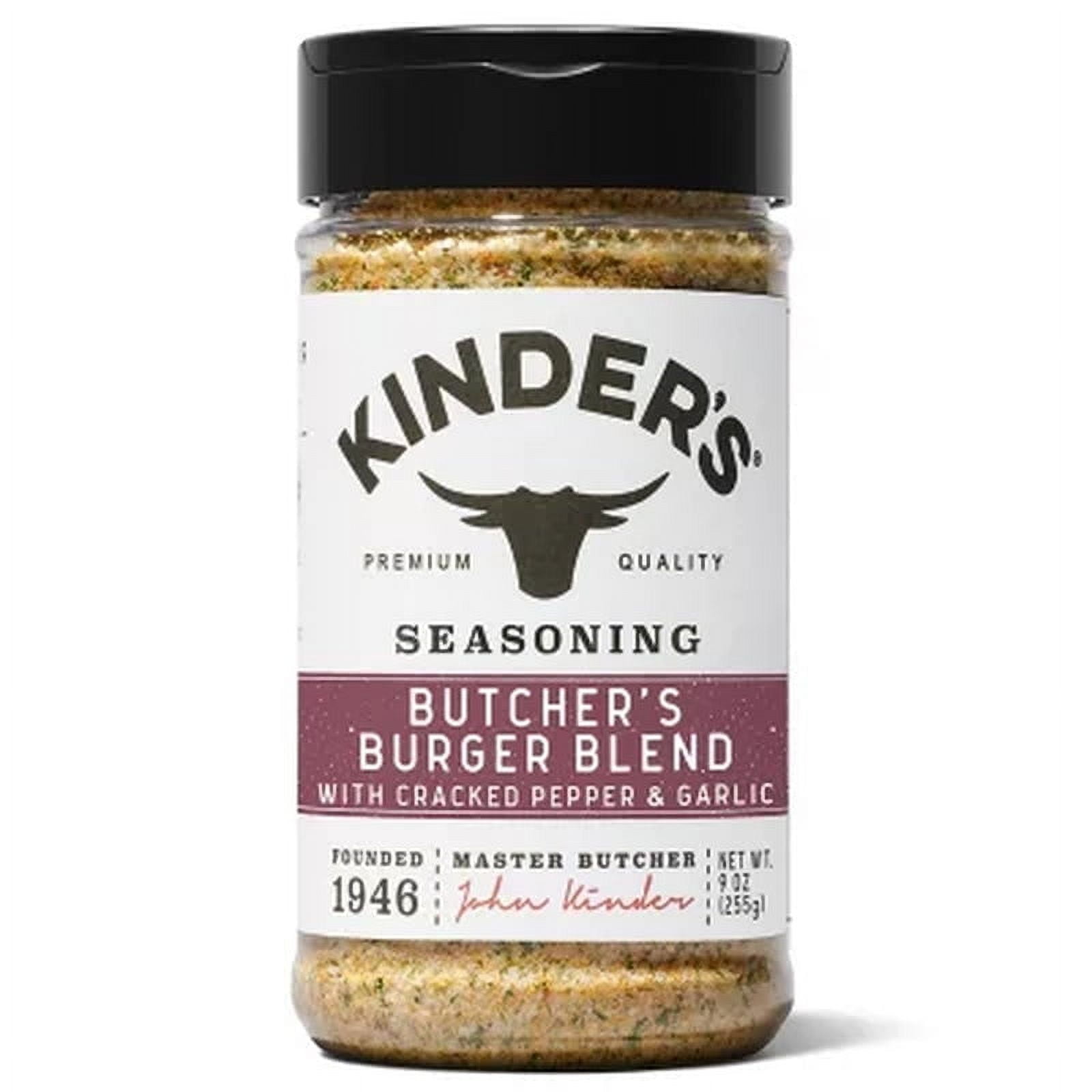


At a glance
Summary
This product contains sunflower oil, which is a seed oil high in omega-6 fatty acids and can promote inflammation when consumed in excess. Additionally, the presence of refined sugar adds empty calories without nutritional benefits. While it includes beneficial ingredients like garlic and sea salt, the overall processing level and inclusion of less healthy fats and sugars limit its healthiness.
Key ingredients 9
Sea saltGood
Sea salt is a minimally processed source of sodium and trace minerals. It is harvested from evaporated seawater and retains natural minerals. Unlike refined salt, it provides additional micronutrients.
Risks
Excessive sodium intake can lead to high blood pressure and cardiovascular issues.
Benefits
Provides essential sodium and trace minerals that are beneficial for electrolyte balance and overall health.
GarlicGood
Garlic is known for its potential health benefits, including antimicrobial and anti-inflammatory properties. It contains allicin, which may support cardiovascular health. Fresh or dried garlic retains beneficial compounds.
Risks
May cause digestive discomfort in some individuals when consumed in large amounts.
Benefits
Rich in antioxidants and compounds that may support heart health and immune function.
Black pepperGood
Beneficial ingredient — whole-food or functional value in this product class.
Benefits
May enhance the absorption of certain nutrients and provide a mild antioxidant effect.
SpicesGood
Whole-food seasonings, antioxidant-bearing.
Benefits
May provide antioxidants and other beneficial compounds depending on the specific spices used.
Dehydrated onionGood
Beneficial ingredient — whole-food or functional value in this product class.
Benefits
Contains some vitamins and antioxidants similar to fresh onions, though in reduced amounts.
Rice concentrateNeutral
Rice concentrate is often used as a natural anti-caking agent. It is derived from rice and is minimally processed. Provides a natural alternative to synthetic additives.
Benefits
Acts as a natural anti-caking agent without synthetic additives.
Citric acidNeutral
Citric acid is a natural preservative and flavor enhancer commonly used in food products. It is typically derived from citrus fruits or produced via fermentation. Generally recognized as safe and used in small amounts.
Benefits
Helps preserve freshness and enhance flavor without significant health concerns.
SugarBad
Refined sugar is a source of empty calories with no essential nutrients. It can contribute to weight gain and metabolic issues when consumed in excess. Often used as a sweetener in processed foods.
Risks
Excessive consumption can lead to obesity, type 2 diabetes, and dental cavities.
Sunflower oilVery Bad
Sunflower oil is a seed oil high in omega-6 fatty acids, which can promote inflammation when consumed in excess. It is often extracted using high heat and chemicals, which can degrade its nutritional quality. Considered a less healthy fat compared to alternatives like olive oil.
Risks
High omega-6 content may promote inflammation and imbalance in the omega-3 to omega-6 ratio.
Processing
Processed Foods
Get the full breakdown in the Scout appTake Scout shopping
Scan any product to see lab results, healthy alternatives, and your personalized analysis.
Download on theApp Store GET IT ONGoogle Play