


At a glance
Summary
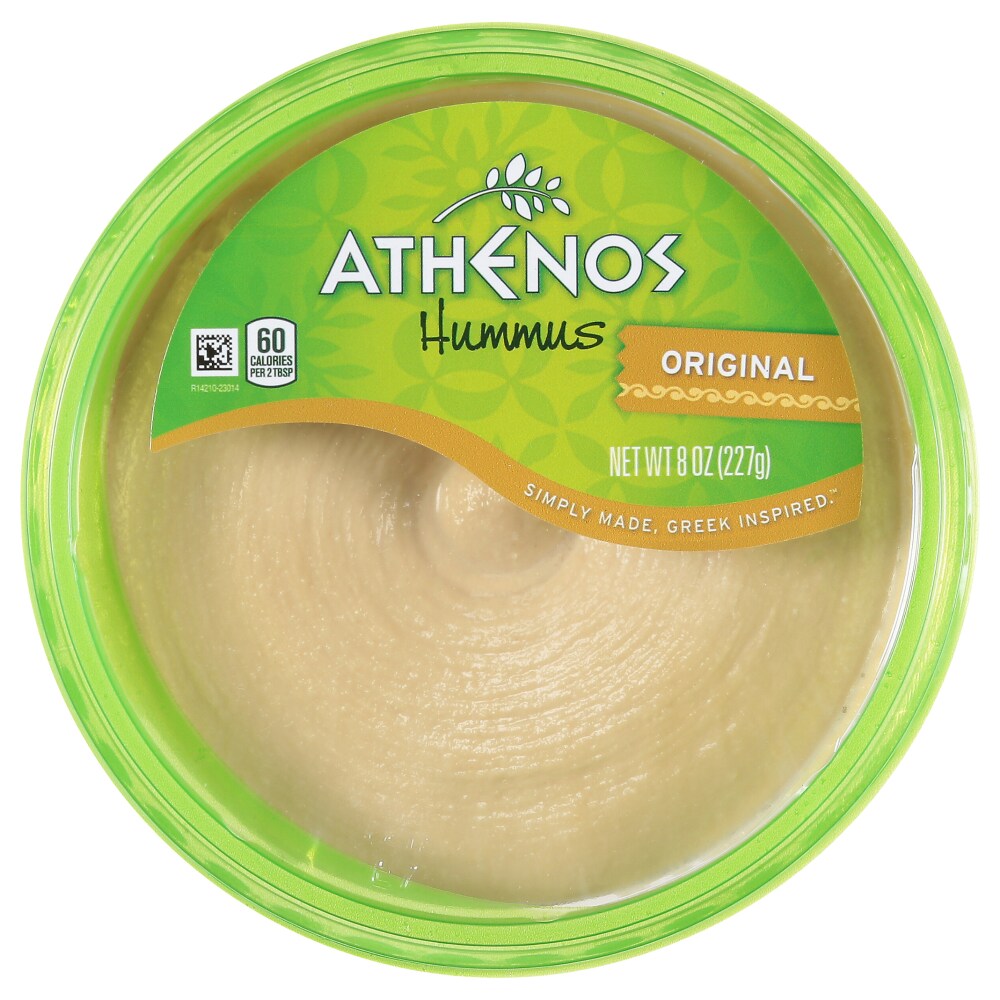
This hummus contains beneficial ingredients like chickpeas, tahini, and olive oil, which are minimally processed and provide essential nutrients. However, the presence of sunflower oil, a highly processed seed oil, detracts from its healthiness. Additionally, the product is classified as ultra-processed due to the inclusion of additives like citric acid and guar gum, which limits its overall score.
Key ingredients 10
ChickpeasGood
Chickpeas are a good source of plant-based protein and fiber, supporting digestive health. They are minimally processed and provide essential nutrients like iron and folate. Compared to refined grains, chickpeas have a lower glycemic index, which helps in blood sugar management.
Benefits
Rich in protein and fiber, chickpeas support satiety and digestive health. They also provide essential vitamins and minerals.
TahiniGood
Tahini, made from ground sesame seeds, is rich in healthy fats and minerals like calcium and magnesium. It is a whole food ingredient with minimal processing. Compared to other seed butters, tahini offers a unique flavor and nutrient profile.
Risks
Potential allergen for individuals with sesame allergies.
Benefits
Provides healthy fats and essential minerals, supporting bone health and metabolic functions.
Olive OilGood
Olive oil is rich in monounsaturated fats, which support heart health and have anti-inflammatory properties. It is less processed compared to seed oils and retains beneficial compounds like polyphenols. Cold-pressed extraction methods preserve its nutritional quality.
Benefits
Rich in monounsaturated fats and antioxidants, supporting heart health and reducing inflammation.
Roasted GarlicGood
Roasted garlic adds flavor and contains compounds that may support immune function. It is a whole food ingredient with minimal processing. Compared to raw garlic, roasting enhances its flavor and reduces pungency.
Benefits
Contains beneficial compounds that may support immune health and provide antioxidant effects.
Sea SaltGood
Sea salt is a natural source of sodium and trace minerals, minimally processed compared to refined table salt. It enhances flavor without the need for artificial additives. Compared to refined salt, it retains more natural minerals.
Risks
Excessive sodium intake can contribute to high blood pressure.
Benefits
Provides essential sodium and trace minerals, supporting electrolyte balance.
CuminGood
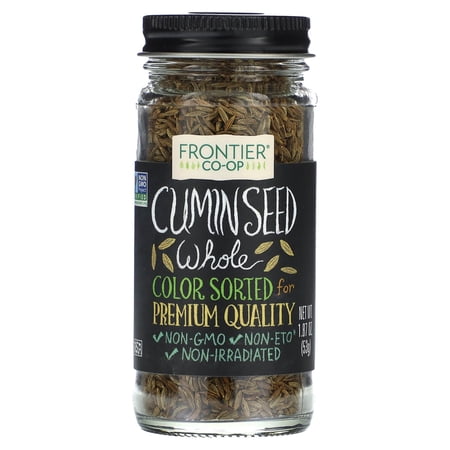
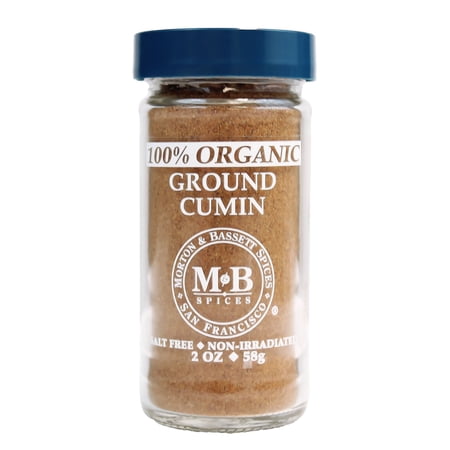
Cumin is a spice that adds flavor and contains antioxidants that may support digestion. It is a whole food ingredient with minimal processing. Compared to other spices, cumin offers a distinct flavor and potential digestive benefits.
Benefits
Contains antioxidants and may support digestive health.
TurmericGood
Turmeric is a spice known for its anti-inflammatory properties due to the compound curcumin. It is a whole food ingredient with minimal processing. Compared to other spices, turmeric is particularly noted for its potential health benefits.
Benefits
Contains curcumin, which has anti-inflammatory and antioxidant properties.
Citric AcidNeutral
Citric acid is used as a preservative and flavor enhancer in foods. It is synthetically produced but generally recognized as safe. Compared to natural sources of acidity, it offers consistent flavor control in processed foods.
Risks
Excessive consumption may cause digestive discomfort in sensitive individuals.
Guar GumNeutral
Guar gum is used as a thickening agent in foods, derived from guar beans. It is generally recognized as safe but offers no significant nutritional value. Compared to other thickeners, it is effective in small quantities.
Risks
May cause digestive issues like bloating or gas in sensitive individuals.
Sunflower OilVery Bad
Sunflower oil is a seed oil high in omega-6 fatty acids, which can promote inflammation when consumed in excess. It is highly processed and lacks beneficial nutrients found in whole seeds. Compared to olive oil, it offers fewer health benefits and more potential risks.
Risks
High omega-6 content may promote inflammation when consumed in excess.
Processing
Ultra-Processed Foods
Get the full breakdown in the Scout appTake Scout shopping
Scan any product to see lab results, healthy alternatives, and your personalized analysis.
Download on theApp Store GET IT ONGoogle Play