



At a glance
Summary
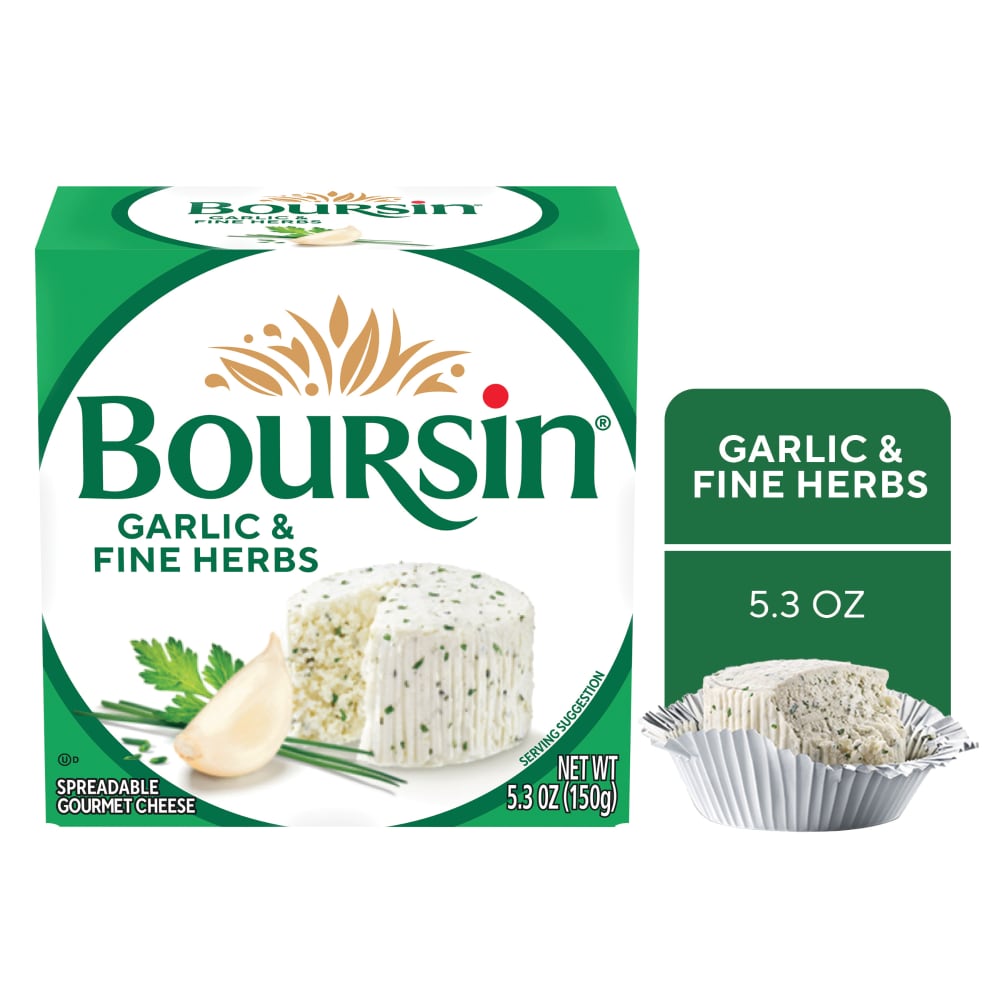
This cream cheese spread contains pasteurized milk and cream, which are beneficial for providing essential nutrients like calcium and protein. However, the presence of stabilizers such as carob bean, xanthan gum, and guar gum, which are processed additives, slightly detracts from its overall healthiness. The product is moderately processed, which limits its score despite having a relatively clean ingredient list.
Key ingredients 5
Pasteurized milk and creamGood
Pasteurized milk and cream are primary sources of calcium and protein. The pasteurization process ensures safety by eliminating harmful bacteria. These ingredients provide essential nutrients and contribute to the creamy texture of the product.
Benefits
Rich in calcium and protein, supporting bone health and muscle function. Provides a creamy texture and flavor to the product.
Cheese cultureGood
Beneficial ingredient — whole-food or functional value in this product class.
Benefits
Contributes to the development of flavor and texture in cheese products. Essential for fermentation, which can enhance digestibility.
SaltNeutral
Salt is used as a preservative and flavor enhancer in cheese products. It helps control the growth of unwanted bacteria. While necessary for flavor, excessive consumption can lead to health issues.
Risks
High sodium intake can contribute to hypertension and cardiovascular issues.
Benefits
Enhances flavor and acts as a preservative, extending shelf life.
NatamycinNeutral
Natamycin is a natural mold inhibitor used to extend the shelf life of cheese products. It is considered safe for consumption in small quantities. This ingredient helps prevent spoilage without affecting flavor.
Benefits
Prevents mold growth, extending the product's shelf life without altering taste.
Stabilizers (carob bean and/or xanthan gum and/or guar gums)Bad
Stabilizers like carob bean, xanthan gum, and guar gum are used to improve texture and consistency. They are processed additives that can cause digestive issues in sensitive individuals. While they help maintain product stability, they are not nutritionally beneficial.
Risks
May cause digestive discomfort or allergic reactions in sensitive individuals.
Benefits
Improve texture and consistency, enhancing the overall mouthfeel of the product.
Processing
Processed Foods
Get the full breakdown in the Scout appTake Scout shopping
Scan any product to see lab results, healthy alternatives, and your personalized analysis.
Download on theApp Store GET IT ONGoogle Play