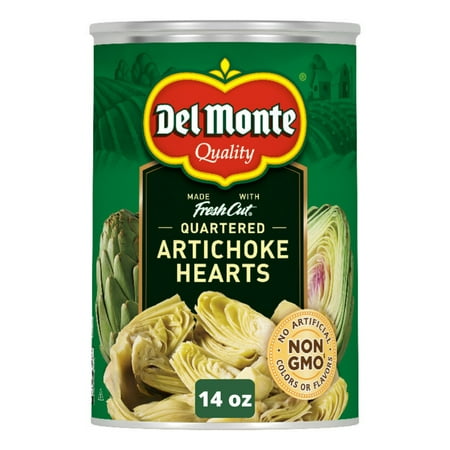
ARTICHOKE HEARTS

At a glance
Summary
This product consists of artichoke hearts, water, salt, and citric acid, which indicates a relatively clean ingredient list with minimal additives. The processing level is moderate, but the absence of harmful ingredients such as seed oils or artificial additives supports a higher score. The use of citric acid as a preservative is common and not considered harmful in small amounts.
Key ingredients 4
Artichoke heartsNeutral
Artichoke hearts are a natural vegetable product with a good fiber content. They are minimally processed when canned, retaining most of their nutritional value. However, the canning process may reduce some vitamin content.
Benefits
Provides dietary fiber and essential nutrients like vitamin C and folate.
WaterNeutral
Water is used as a medium for canning and does not contribute any nutritional value. It helps maintain the moisture and texture of the artichoke hearts. There are no health concerns associated with water in this context.
See more about Water →SaltNeutral
Salt is used as a preservative and flavor enhancer in canned foods. It is a refined product and does not provide trace minerals like unrefined salts. Excessive consumption of salt can lead to health issues such as hypertension.
Risks
High sodium intake can contribute to hypertension and cardiovascular diseases.
Citric acidNeutral
Citric acid is used as a preservative and to maintain the acidity of canned foods. It is a naturally occurring compound found in citrus fruits. In this context, it helps prevent spoilage and maintain flavor.
Benefits
Helps preserve the product and maintain its flavor.
Processing
Processed Foods
Get the full breakdown in the Scout appTake Scout shopping
Scan any product to see lab results, healthy alternatives, and your personalized analysis.
Are you Reese? Fix an error Get the badge Get tested