


PCMD Projector Ceiling Mount for BenQ MX764
Analysis updated August 2026 · How Scout scores
At a glance
Summary
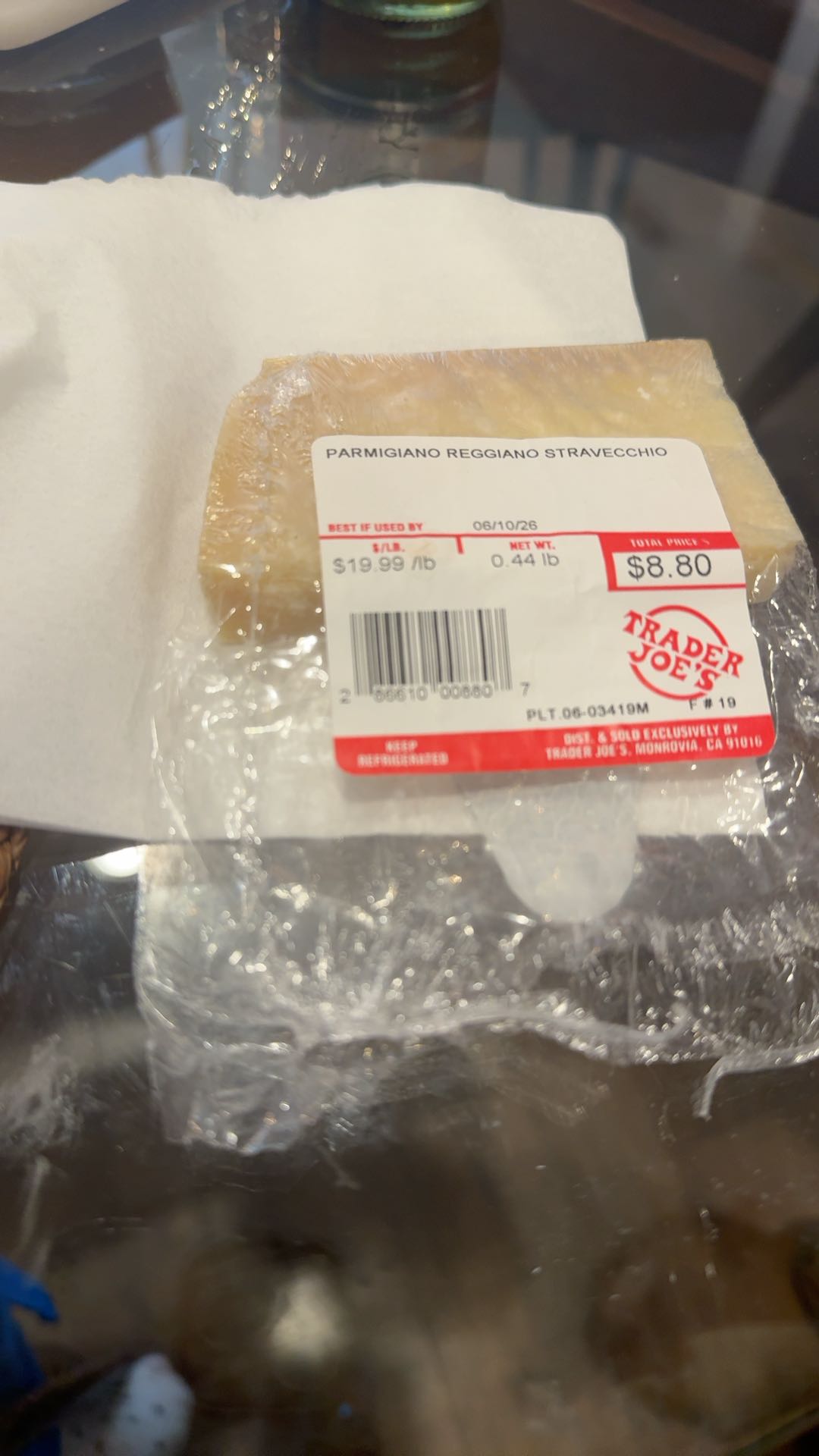
This cheese product contains a simple ingredient list with pasteurized milk, cheese culture, salt, and enzymes, which are typical for traditional cheese-making. However, the addition of anti-caking agents like potato starch, corn starch, and calcium sulfate, as well as the mold inhibitor natamycin, indicates a moderate level of processing. While these additives are generally safe, they do not contribute nutritional benefits, which slightly lowers the overall score compared to more minimally processed cheeses.
Key ingredients 8
Cheese cultureGood
Cheese culture is used to ferment milk, aiding in the development of flavor and texture in cheese. It consists of beneficial bacteria that can support gut health. The fermentation process enhances the nutritional profile of the cheese.
Benefits
Contains probiotics that may support digestive health and enhance the flavor of cheese.
Pasteurized milkNeutral
Pasteurized milk is a common base for cheese, providing essential nutrients like calcium and protein. The pasteurization process kills harmful bacteria but may reduce some beneficial enzymes. It is a standard ingredient in cheese production.
Benefits
Provides calcium and protein, essential for bone health and muscle function.
SaltNeutral
Salt is used in cheese for flavor and as a preservative. It is a necessary component in cheese making but should be consumed in moderation due to potential health impacts. It does not provide additional nutritional benefits beyond sodium.
Risks
Excessive consumption of salt can lead to high blood pressure and other cardiovascular issues.
Benefits
Enhances flavor and acts as a preservative in cheese.
EnzymesNeutral
Enzymes are used in cheese making to coagulate milk, forming curds and whey. They are essential for the cheese production process but do not contribute additional nutritional value. Typically derived from animal or microbial sources.
Benefits
Essential for the cheese-making process, aiding in milk coagulation.
Potato starchNeutral
Potato starch is used as an anti-caking agent to prevent cheese shreds from sticking together. It is a natural additive with minimal impact on health. It does not significantly alter the nutritional profile of the cheese.
Benefits
Helps maintain the texture of shredded cheese by preventing clumping.
Corn starchNeutral
Corn starch is used similarly to potato starch as an anti-caking agent in cheese. It is a common food additive with no significant health concerns. It does not provide nutritional benefits.
Benefits
Prevents clumping in shredded cheese, maintaining texture.
NatamycinNeutral
Natamycin is a natural mold inhibitor used to extend the shelf life of cheese. It is derived from natural sources and is considered safe for consumption. It does not affect the nutritional value of the cheese.
Benefits
Prevents mold growth, extending the shelf life of cheese.
Calcium sulfateBad
Calcium sulfate is used as an anti-caking agent and firming agent in cheese. While generally recognized as safe, excessive consumption can lead to digestive issues. It is an additive that does not contribute nutritional benefits.
Risks
Excessive intake may cause digestive discomfort or constipation.
Benefits
Helps maintain the texture and firmness of cheese.
Processing
Processed Foods
Get the full breakdown in the Scout appTake Scout shopping
Scan any product to see lab results, healthy alternatives, and your personalized analysis.
Download on theApp Store GET IT ONGoogle Play