



At a glance
Summary
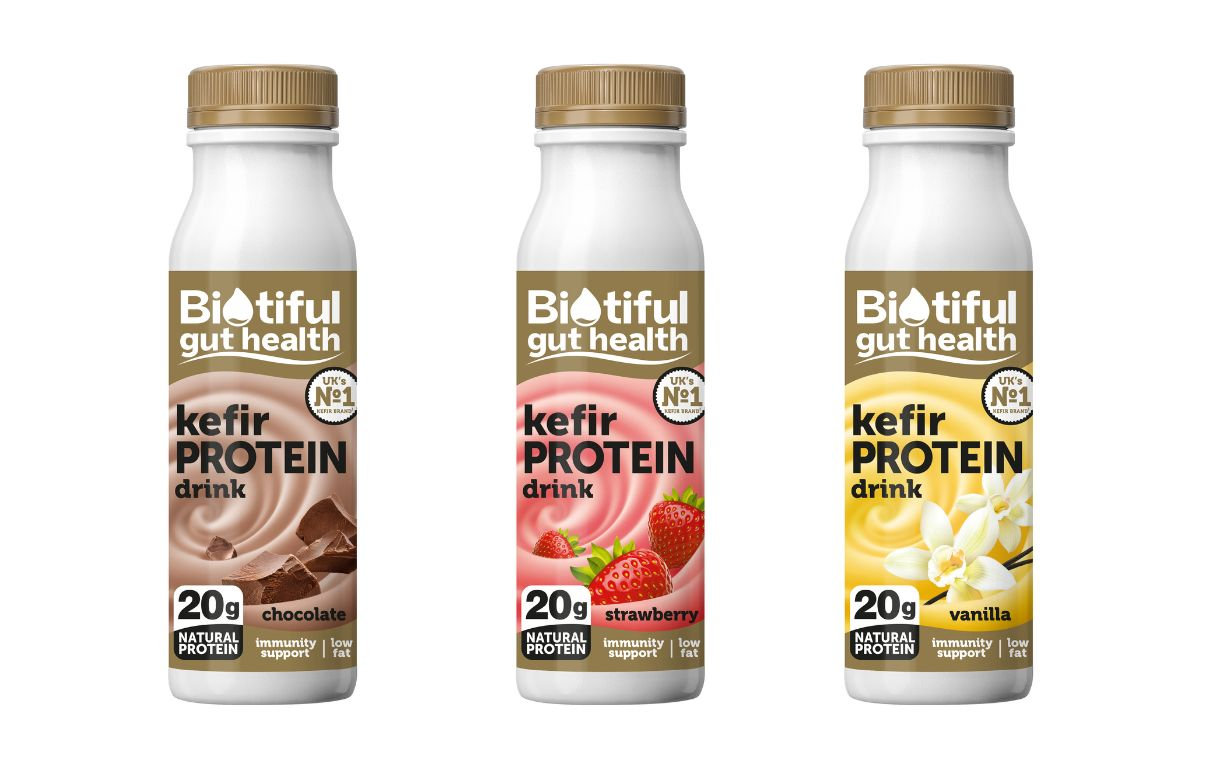
This kefir contains beneficial ingredients like cultured organic pasteurized lowfat milk and organic strawberries, which provide high-quality protein and antioxidants. However, the presence of organic cane sugar and organic natural flavor, which are processed and add unnecessary sugars, detracts from its healthfulness. The product is also classified as ultra-processed due to its ingredient list, which limits its overall score despite some positive nutritional aspects.
Key ingredients 14
Cultured organic pasteurized lowfat milkGood
This ingredient provides beneficial probiotics and nutrients that support gut health and digestion.
WaterNeutral
Part of Organic fruit blend. This blend adds flavor and natural color to the kefir but contains added sugars and thickeners, which are neutral in health impact.
See more about Water →Organic StrawberriesNeutral
Part of Organic fruit blend. This blend adds flavor and natural color to the kefir but contains added sugars and thickeners, which are neutral in health impact.
See more about Organic Strawberries →Organic Natural FlavorNeutral
Part of Organic fruit blend. This blend adds flavor and natural color to the kefir but contains added sugars and thickeners, which are neutral in health impact.
See more about Organic Natural Flavor →PectinNeutral
Part of Organic fruit blend. This blend adds flavor and natural color to the kefir but contains added sugars and thickeners, which are neutral in health impact.
See more about Pectin →Organic Locust Bean GumNeutral
Part of Organic fruit blend. This blend adds flavor and natural color to the kefir but contains added sugars and thickeners, which are neutral in health impact.
See more about Organic Locust Bean Gum →FruitNeutral
Part of Organic fruit blend. This blend adds flavor and natural color to the kefir but contains added sugars and thickeners, which are neutral in health impact.
See more about Fruit →Vegetable JuiceNeutral
Part of Organic fruit blend. This blend adds flavor and natural color to the kefir but contains added sugars and thickeners, which are neutral in health impact.
See more about Vegetable Juice →Citric AcidNeutral
Part of Organic fruit blend. This blend adds flavor and natural color to the kefir but contains added sugars and thickeners, which are neutral in health impact.
See more about Citric Acid →Vitamin A palmitateNeutral
Vitamin A palmitate is added as a nutrient supplement, with no significant positive or negative impact on health.
See more about Vitamin A palmitate →en:e330Neutral
E330 (citric acid) is a common food additive used for acidity regulation, generally considered safe.
See more about en:e330 →en:e410Neutral
E410 (locust bean gum) is a thickening agent that is widely used and considered safe in food products.
See more about en:e410 →en:e440Neutral
E440 (pectin) is a natural thickener derived from fruits, with a neutral health impact.
See more about en:e440 →Organic Cane SugarBad
Part of Organic fruit blend. This blend adds flavor and natural color to the kefir but contains added sugars and thickeners, which are neutral in health impact.
See more about Organic Cane Sugar →Processing
Ultra-Processed Foods
Get the full breakdown in the Scout appTake Scout shopping
Scan any product to see lab results, healthy alternatives, and your personalized analysis.
Download on theApp Store GET IT ONGoogle Play