
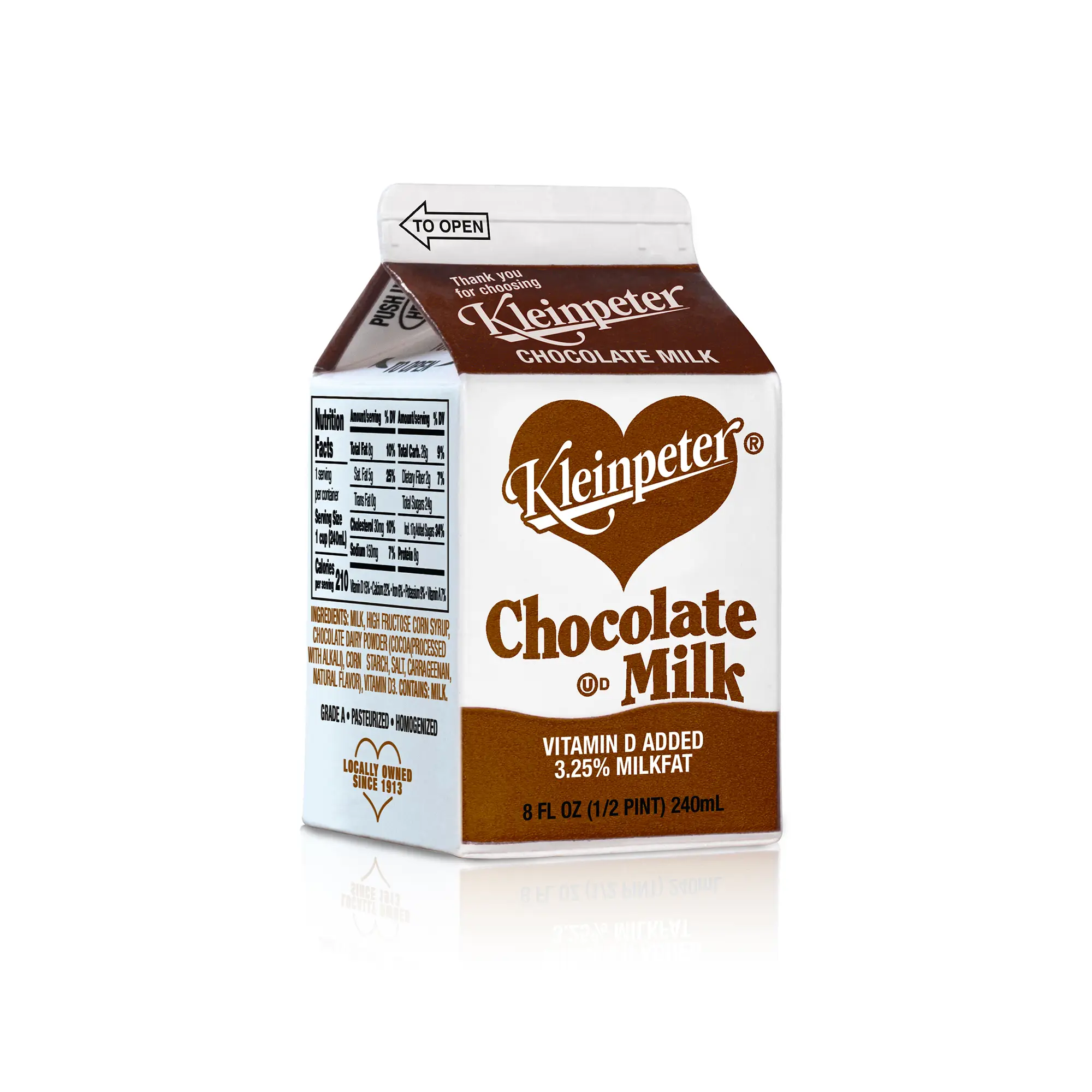


At a glance
Summary
This chocolate milk is ultra-processed, which limits its potential health score. It contains added sugar, contributing to increased calorie intake without essential nutrients, and natural flavors, which lack transparency in sourcing. However, it does include beneficial ingredients like milk and nonfat milk, providing essential nutrients such as calcium and protein.
Key ingredients 10
MilkGood
Milk is a rich source of calcium and protein, essential for bone health and muscle maintenance. It provides a complete amino acid profile and is a natural source of vitamins and minerals. The quality of milk can vary based on the source, with grass-fed options offering additional benefits.
Risks
Some individuals may be lactose intolerant or allergic to milk proteins.
Benefits
Provides essential nutrients like calcium, vitamin D, and high-quality protein that support overall health.
CocoaGood
Beneficial ingredient — whole-food or functional value in this product class.
Risks
Alkalization may reduce the antioxidant content compared to natural cocoa.
Benefits
Adds chocolate flavor and contains some antioxidants, though less than natural cocoa.
Vitamin D3Good
Beneficial ingredient — whole-food or functional value in this product class.
Risks
Overconsumption can lead to toxicity, but this is unlikely from fortified foods alone.
Benefits
Essential for bone health and immune function, helping to prevent deficiencies.
Nonfat MilkNeutral
Standard formulation ingredient — neither beneficial nor harmful at typical use.
Risks
May not be suitable for those with lactose intolerance or milk allergies.
Benefits
Offers calcium and protein with reduced calories, supporting bone health and muscle maintenance.
Gum AcaciaNeutral
Gum acacia is a natural gum used as a stabilizer and thickener in foods. It is derived from the sap of the acacia tree and is generally recognized as safe. It helps improve texture and consistency in food products.
Risks
Excessive consumption may cause digestive discomfort in some individuals.
Benefits
Helps stabilize and thicken products without significant health risks.
Guar GumNeutral
Guar gum is a thickening agent derived from guar beans, used to improve texture and consistency. It is widely used in food processing and is considered safe in moderate amounts. It can help maintain the desired viscosity in liquid products.
Risks
High amounts may lead to digestive issues such as gas or bloating.
Benefits
Improves texture and consistency in food products.
Gellan GumNeutral
Gellan gum is a gelling agent used to stabilize and thicken foods. It is produced through bacterial fermentation and is effective in small quantities. It is commonly used in processed foods to maintain texture.
Risks
May cause digestive discomfort if consumed in large amounts.
Benefits
Provides stability and texture to food products without significant health concerns.
Vitamin A PalmitateNeutral
Vitamin A palmitate is a synthetic form of vitamin A used to fortify foods. It helps maintain vision, immune function, and skin health. Fortification ensures adequate intake of this essential nutrient.
Risks
Excessive intake can lead to hypervitaminosis A, but this is rare from fortified foods alone.
Benefits
Supports vision and immune health by providing an essential nutrient.
SugarBad
Refined sugar contributes to increased calorie intake without providing essential nutrients. Excessive consumption can lead to health issues such as obesity and diabetes. It is often added to enhance sweetness but can be detrimental in large amounts.
Risks
High intake of refined sugar is linked to obesity, insulin resistance, and dental cavities.
Benefits
Provides quick energy but lacks essential nutrients.
Natural FlavorBad
Natural flavors are used to enhance taste but can be derived from various sources, making their exact composition unclear. They are often added to improve flavor profiles in processed foods. The lack of transparency in sourcing can be a concern for some consumers.
Risks
Potential allergens or sensitivities may be present, and the exact composition is often undisclosed.
Benefits
Enhances flavor without adding calories, but lacks nutritional benefits.
Processing
Ultra-Processed Foods
Get the full breakdown in the Scout appTake Scout shopping
Scan any product to see lab results, healthy alternatives, and your personalized analysis.
Download on theApp Store GET IT ONGoogle Play