

At a glance
Summary
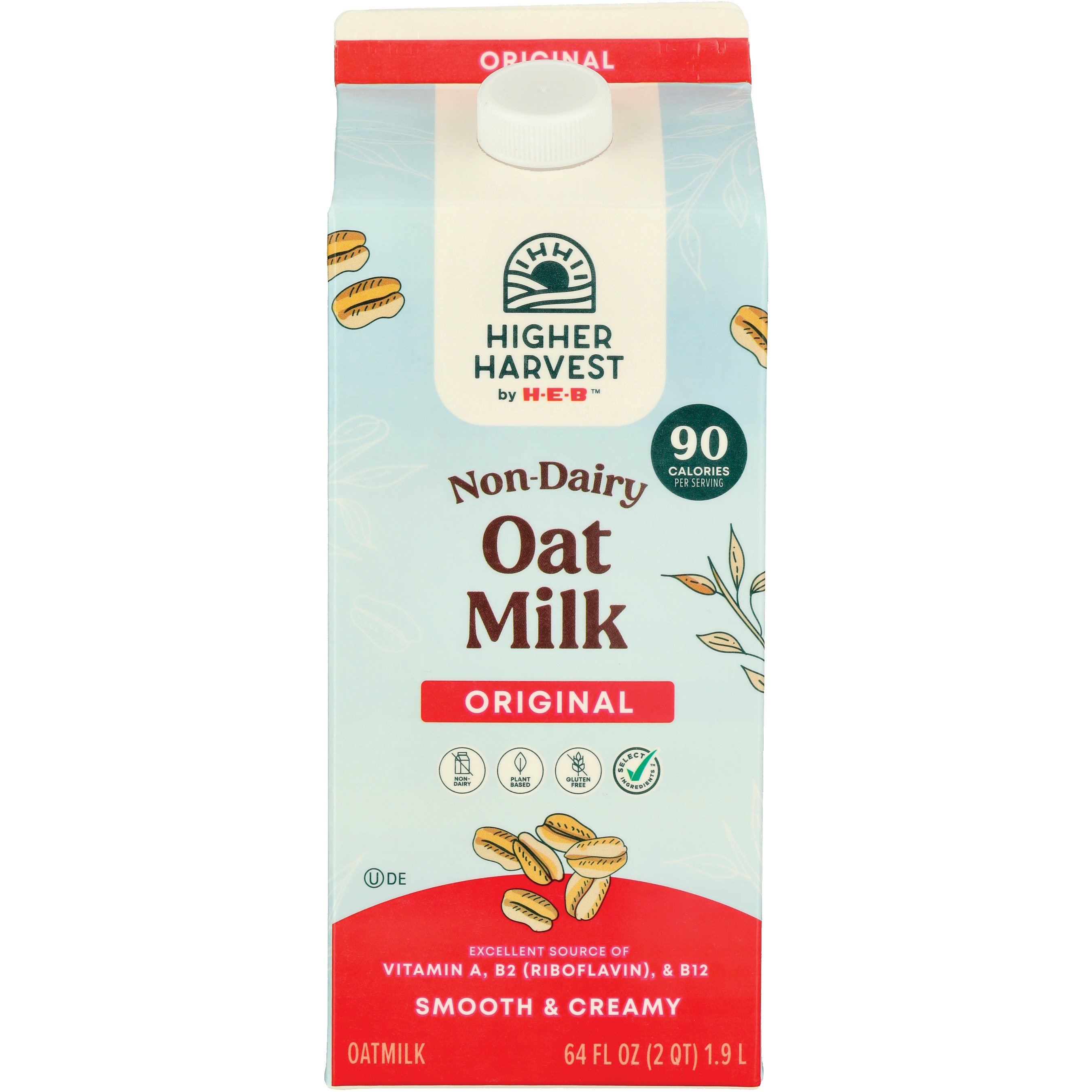
This oat milk is ultra-processed, which limits its potential score. It contains vegetable oil, which is often highly processed and can contribute to inflammation. However, it does include beneficial ingredients like oats and calcium carbonate, which provide fiber and essential nutrients, enhancing its nutritional profile.
Key ingredients 9
OatsVery Good
Oats are a whole grain that provides dietary fiber and essential nutrients. They are minimally processed and contribute to the nutritional profile of the product. Oats can support heart health and improve digestion.
Risks
May cause allergic reactions in individuals with oat allergies.
Benefits
Rich in beta-glucans, which can help lower cholesterol levels and improve heart health.
WaterNeutral
Water is a neutral ingredient used as a base in many beverages. It provides no nutritional value but is essential for hydration. In this product, it serves as the primary liquid component.
See more about Water →Dipotassium PhosphateNeutral
Dipotassium phosphate is used as a stabilizer and emulsifier in food products. It helps maintain texture and consistency. It is generally recognized as safe when used in moderation.
Risks
Excessive consumption may lead to imbalances in mineral levels.
Calcium CarbonateNeutral
Standard formulation ingredient — neither beneficial nor harmful at typical use.
Risks
Excessive intake may lead to hypercalcemia or kidney stones.
Benefits
Provides a source of calcium, supporting bone health and preventing deficiencies.
SaltNeutral
Salt is used to enhance flavor in food products. It is a common culinary ingredient but should be consumed in moderation. Excessive salt intake can lead to health issues.
Risks
High sodium intake can increase the risk of hypertension and cardiovascular diseases.
Tricalcium PhosphateNeutral
Tricalcium phosphate is used as a calcium fortifier in food products. It helps improve the calcium content of plant-based milks. It is generally recognized as safe when used appropriately.
Risks
Excessive consumption may lead to imbalances in mineral levels.
Benefits
Provides additional calcium, supporting bone health.
Gellan GumNeutral
Gellan gum is a gelling agent used to stabilize and thicken food products. It helps maintain the desired texture and consistency. It is considered safe for consumption in regulated amounts.
Risks
May cause digestive discomfort in sensitive individuals.
Xanthan GumNeutral
Xanthan gum is a common food additive used as a thickening and stabilizing agent. It helps improve the texture and shelf-life of products. It is widely used in the food industry and considered safe.
Risks
May cause digestive issues such as bloating or gas in some individuals.
Vegetable OilBad
Vegetable oil is often highly processed and can contain high levels of omega-6 fatty acids. These oils can contribute to inflammation when consumed in excess. They are typically extracted using chemical solvents.
Risks
High omega-6 content may promote inflammation and increase the risk of chronic diseases.
Processing
Ultra-Processed Foods
Get the full breakdown in the Scout appTake Scout shopping
Scan any product to see lab results, healthy alternatives, and your personalized analysis.
Download on theApp Store GET IT ONGoogle Play