


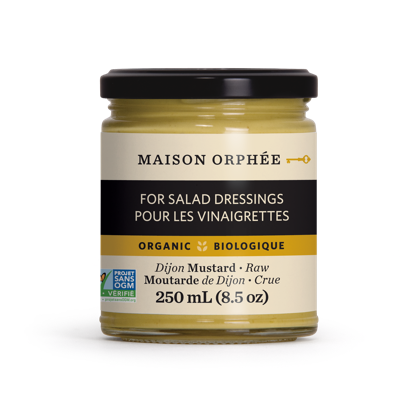

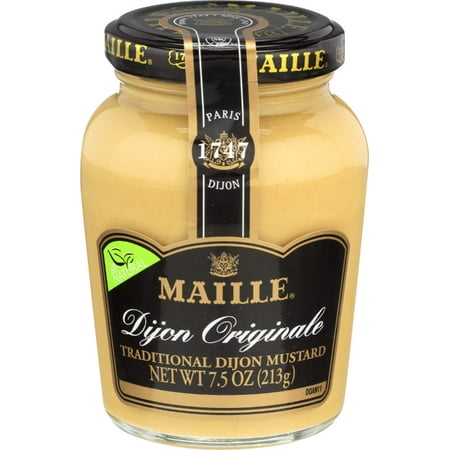
At a glance
Summary
This Dijon mustard contains natural ingredients like mustard seed, which is beneficial due to its antioxidant properties. However, the product is classified as ultra-processed, which limits its health score potential. The presence of additives such as citric acid and fruit pectin, although not harmful, contributes to its processing level, impacting the overall rating.
Key ingredients 9
Mustard SeedGood
Mustard seed is a natural ingredient rich in antioxidants and anti-inflammatory compounds. It provides flavor and potential health benefits such as improved digestion. Its natural origin and minimal processing contribute positively to the product.
Risks
May cause allergic reactions in sensitive individuals.
Benefits
Rich in antioxidants and may support digestive health.
WaterNeutral
Water is a neutral ingredient that acts as a solvent and carrier in food products. It does not contribute any nutritional value or health risks. Its presence is essential for the consistency and texture of the product.
See more about Water →VinegarNeutral
Vinegar is used for its acidic properties and flavor enhancement. It is a natural preservative and can aid in digestion. However, it does not provide significant nutritional benefits.
Risks
Excessive consumption may lead to enamel erosion or digestive discomfort.
Benefits
May aid in digestion and act as a natural preservative.
SaltNeutral
Salt is used for flavor enhancement and preservation. It is a common ingredient in condiments but does not provide additional nutritional benefits. Excessive intake can lead to health issues such as hypertension.
Risks
High sodium intake can contribute to hypertension and cardiovascular issues.
Benefits
Essential for flavor and preservation in food products.
White WineNeutral
White wine is used for its flavor and acidity in culinary applications. It does not significantly alter the nutritional profile of the product. The alcohol content is typically minimal after processing.
Benefits
Adds flavor complexity to the product.
Fruit PectinNeutral
Fruit pectin is a natural gelling agent used to improve texture. It is derived from fruits and is generally considered safe. It does not provide significant nutritional benefits.
Benefits
Improves texture and consistency of the product.
Citric AcidNeutral
Citric acid is a natural preservative and flavor enhancer. It is commonly used in food products to add acidity and preserve freshness. It is generally recognized as safe when consumed in typical amounts.
Risks
Excessive consumption may cause digestive discomfort.
Benefits
Acts as a preservative and enhances flavor.
Tartaric AcidNeutral
Tartaric acid is used to enhance flavor and stabilize products. It is naturally occurring in grapes and other fruits. It does not provide significant nutritional benefits.
Risks
May cause digestive discomfort if consumed in large quantities.
Benefits
Enhances flavor and stabilizes the product.
SpiceNeutral
Spices are used to enhance flavor and aroma in food products. They are generally considered safe and can provide minor health benefits depending on the type. The specific spices used are not detailed, limiting precise analysis.
Risks
Potential for allergic reactions depending on the specific spice.
Benefits
Enhances flavor and may provide minor health benefits.
Processing
Ultra-Processed Foods
Get the full breakdown in the Scout appTake Scout shopping
Scan any product to see lab results, healthy alternatives, and your personalized analysis.
Download on theApp Store GET IT ONGoogle Play