


At a glance
Summary
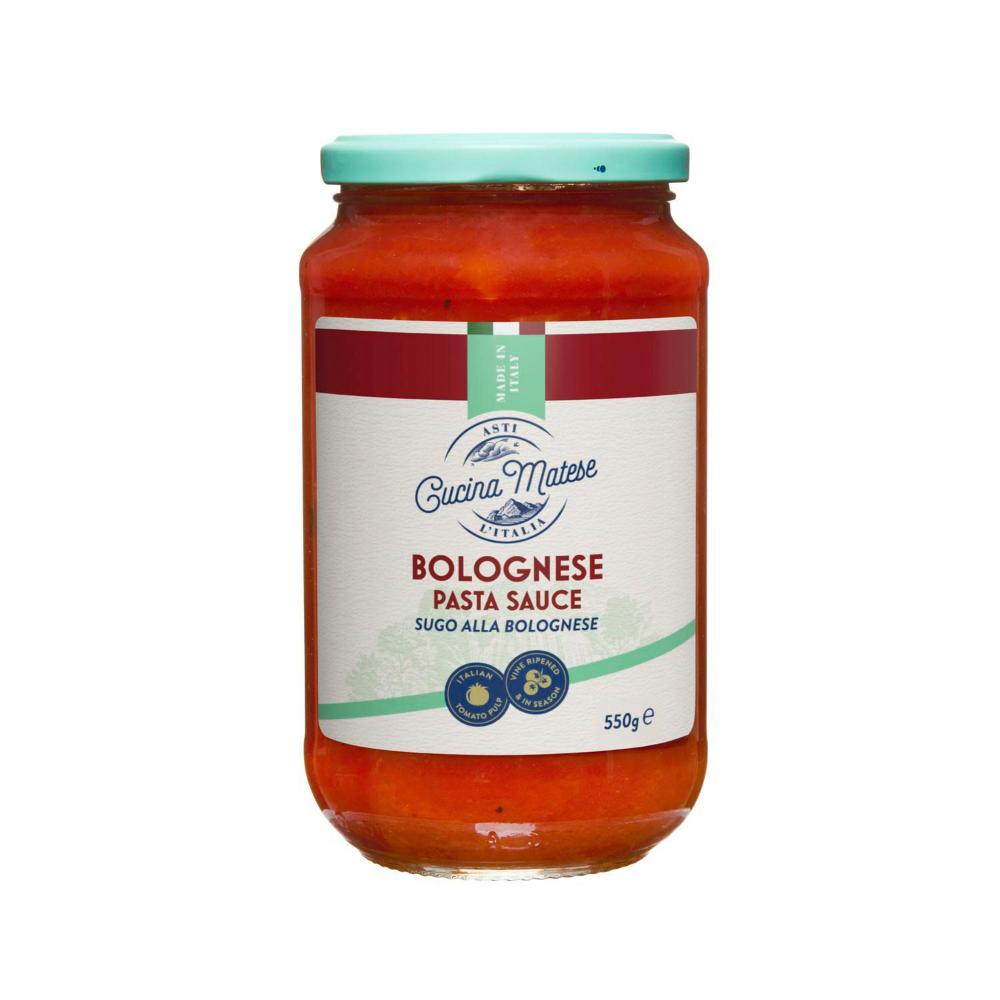
This Bolognese pasta sauce contains a high percentage of tomatoes and other vegetables like carrots, onions, and celery, which are beneficial for health. However, it is classified as ultra-processed due to the inclusion of thickeners and natural flavorings, which limits its score. The presence of added sugar also detracts from its nutritional profile, although the use of olive oil is a positive aspect.
Key ingredients 17
TomatoGood
Tomatoes are rich in vitamins A and C and antioxidants like lycopene. They are minimally processed in this sauce, retaining most of their nutritional benefits. Lycopene has been linked to reduced risk of heart disease and cancer.
Benefits
Rich in antioxidants and vitamins that support overall health and may reduce inflammation.
CarrotsGood
Carrots are a good source of beta-carotene, fiber, vitamin K1, and antioxidants. They are included in their natural form, providing nutritional benefits. Beta-carotene is converted into vitamin A, which is essential for vision and immune function.
Benefits
Provides essential vitamins and antioxidants that support eye health and immune function.
OnionGood
Onions are rich in antioxidants and compounds that fight inflammation, decrease triglycerides, and reduce cholesterol levels. They are used in their natural form, preserving their health benefits. Onions may also help reduce the risk of heart disease.
Benefits
Contains antioxidants and anti-inflammatory compounds that support heart health.
CeleryGood
Celery is low in calories and contains antioxidants and beneficial enzymes. It is included in its whole form, which retains its nutritional properties. Celery may help reduce inflammation and support digestion.
Benefits
Provides antioxidants and enzymes that may support digestion and reduce inflammation.
Olive oilGood
Olive oil is a healthy fat rich in monounsaturated fats and antioxidants. It is used in its natural form, which preserves its health benefits. Olive oil supports heart health and has anti-inflammatory properties.
Benefits
Rich in monounsaturated fats and antioxidants that support heart health and reduce inflammation.
GarlicGood
Garlic is known for its health benefits, including boosting the immune system and reducing blood pressure. It is used in its natural form, which retains its beneficial properties. Garlic contains compounds with potent medicinal properties.
Benefits
Supports immune function and may help reduce blood pressure.
Black pepperGood
Black pepper is a spice that enhances flavor and has antioxidant properties. It is used in its natural form, providing health benefits. Piperine, the active compound in black pepper, may improve digestion and nutrient absorption.
Benefits
Contains antioxidants and may improve digestion and nutrient absorption.
Thyme powderGood
Thyme powder is a spice with antioxidant and antimicrobial properties. It is used in its natural form, retaining its health benefits. Thyme may support immune function and respiratory health.
Benefits
Provides antioxidants and may support immune and respiratory health.
BasilGood
Basil is an herb rich in antioxidants and anti-inflammatory compounds. It is used fresh or dried, preserving its beneficial properties. Basil may support heart health and reduce inflammation.
Benefits
Rich in antioxidants and may support heart health and reduce inflammation.
ParsleyGood
Parsley is an herb high in vitamins A, C, and K and antioxidants. It is used fresh or dried, retaining its nutritional benefits. Parsley may support bone health and boost the immune system.
Benefits
High in vitamins and antioxidants that support bone health and the immune system.
SaltNeutral
Salt is used as a seasoning and preservative in foods. It is a common ingredient that enhances flavor but does not provide significant nutritional benefits. Excessive consumption can lead to health issues such as high blood pressure.
Risks
High sodium intake can contribute to hypertension and cardiovascular disease.
Benefits
Enhances flavor and acts as a preservative in foods.
Food acid (lactic acid)Neutral
Lactic acid is used as a food preservative and flavoring agent. It is naturally occurring and generally recognized as safe. It helps maintain the acidity and flavor of the sauce.
Benefits
Helps preserve food and maintain flavor.
Smoked saltNeutral
Smoked salt is used to add a smoky flavor to foods. It is a variation of regular salt with no additional nutritional benefits. Excessive consumption can lead to health issues similar to regular salt.
Risks
High sodium intake can contribute to hypertension and cardiovascular disease.
Benefits
Enhances flavor with a smoky taste.
Onion powderNeutral
Onion powder is a dehydrated form of onion used for flavoring. It retains some of the nutritional benefits of fresh onions but in reduced amounts. It is convenient for adding onion flavor without the need for fresh onions.
Benefits
Provides onion flavor and some antioxidants.
Thickener (1442)Neutral
Thickener 1442, also known as hydroxypropyl distarch phosphate, is used to improve texture. It is a modified starch generally recognized as safe. It helps maintain the desired consistency of the sauce.
Benefits
Improves texture and consistency of the sauce.
SugarBad
Refined sugar is added to enhance sweetness but offers no nutritional benefits. It is associated with increased risk of obesity, type 2 diabetes, and heart disease. Consuming high amounts of sugar can lead to various health issues.
Risks
Excessive sugar intake can lead to obesity, type 2 diabetes, and heart disease.
Natural flavouringsBad
Natural flavourings are often used to enhance taste but lack transparency in their composition. They can be derived from various sources and may contain additives. The lack of transparency can be concerning for consumers with allergies or sensitivities.
Risks
Potential allergens and lack of transparency in ingredient sourcing.
Processing
Ultra-Processed Foods
Get the full breakdown in the Scout appTake Scout shopping
Scan any product to see lab results, healthy alternatives, and your personalized analysis.
Download on theApp Store GET IT ONGoogle Play