


At a glance
Summary
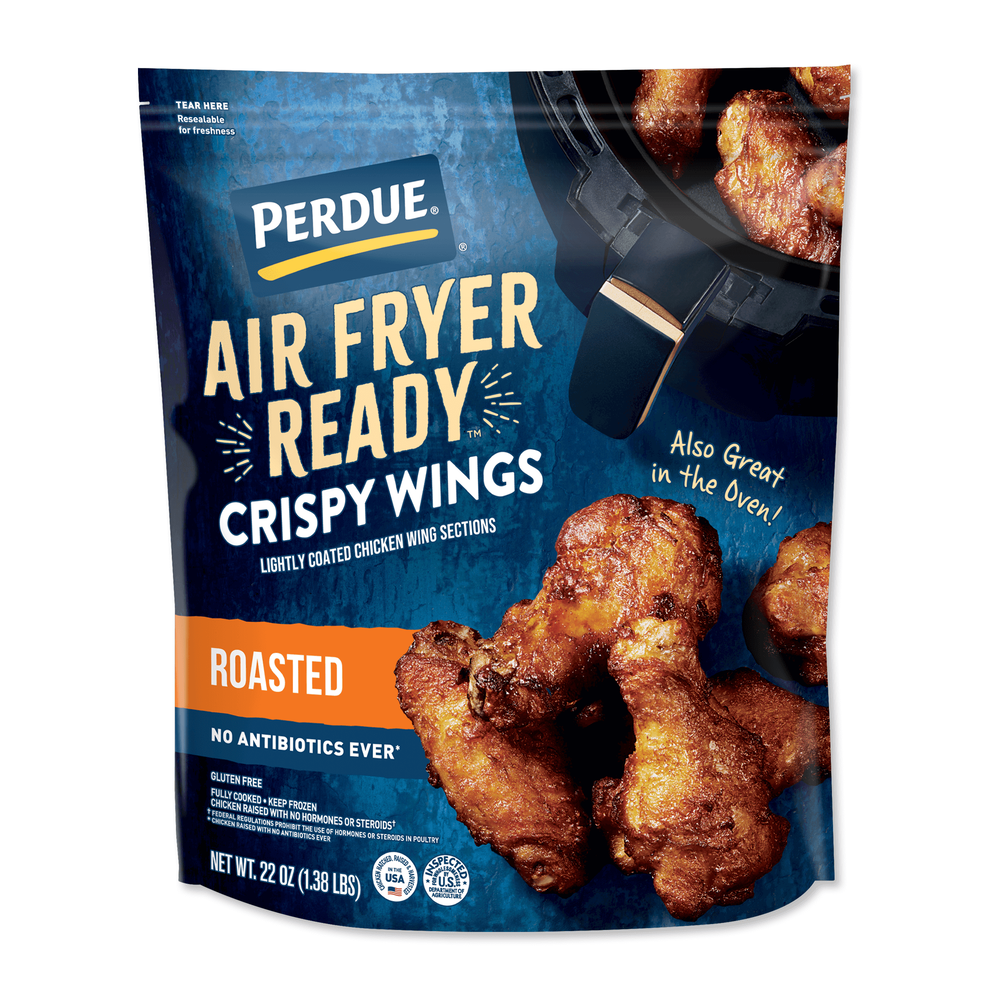
This product is ultra-processed, which limits its potential health score. While it contains beneficial ingredients like chicken wing sections and spices, it also includes refined sugars and additives such as sodium phosphate and dextrose, which are associated with potential health concerns. The presence of these processed ingredients and the overall level of processing impact its health rating.
Key ingredients 17
Chicken wing sectionsGood
Chicken wing sections are a source of high-quality animal protein. They provide essential amino acids necessary for muscle repair and growth. The quality of the protein is superior to plant-based alternatives.
Risks
Potential risks include high cholesterol and saturated fat content, which may affect heart health if consumed in excess.
Benefits
Rich in protein and essential amino acids, supporting muscle growth and repair. Provides important nutrients like B vitamins and minerals such as zinc and iron.
SpiceGood
Spices are used to enhance flavor and may provide health benefits. They contain antioxidants and anti-inflammatory compounds. The specific spices used are not detailed, but they generally contribute positively to health.
Benefits
May provide antioxidants and anti-inflammatory benefits, enhancing overall health.
Onion powderGood
Onion powder is used for flavoring and may provide health benefits. It contains antioxidants and compounds that support immune health. It is a dehydrated form of onion, retaining some of its nutritional properties.
Benefits
Provides flavor and may offer antioxidants and immune-supporting compounds.
Garlic powderGood
Garlic powder is used for flavor and has potential health benefits. It contains compounds that may support cardiovascular health and immune function. It is a concentrated form of garlic, retaining beneficial properties.
Benefits
May support heart health and immune function due to its beneficial compounds.
Extracts of paprikaGood
Extracts of paprika are used for color and flavor. They contain antioxidants and may have anti-inflammatory properties. Paprika extracts are natural and minimally processed.
Benefits
Provides natural color and flavor, along with potential antioxidant benefits.
Natural extracts of celery seedGood
Natural extracts of celery seed are used for flavor and potential health benefits. They contain compounds that may support cardiovascular health. Celery seed extracts are natural and minimally processed.
Benefits
May support heart health and provide natural flavor enhancement.
WaterNeutral
Water is used as a solvent and to maintain moisture in the product. It is a neutral ingredient with no direct nutritional impact. It helps in maintaining the texture and juiciness of the wings.
See more about Water →SaltNeutral
Salt is used for flavor enhancement and preservation. It is a common ingredient in processed foods. Excessive consumption can lead to health issues such as hypertension.
Risks
High sodium intake is associated with increased risk of hypertension and cardiovascular diseases.
Benefits
Enhances flavor and acts as a preservative in food products.
Rice flourNeutral
Rice flour is used as a gluten-free alternative to wheat flour. It provides texture and bulk to the product. It is a refined carbohydrate with limited nutritional benefits.
Risks
May contribute to increased blood sugar levels if consumed in large quantities.
Benefits
Provides a gluten-free option for individuals with celiac disease or gluten sensitivity.
Tapioca dextrinNeutral
Tapioca dextrin is used as a thickener and stabilizer. It is derived from tapioca starch and is highly processed. It does not provide significant nutritional benefits.
Risks
May cause digestive issues in sensitive individuals if consumed in large amounts.
LeaveningNeutral
Leavening agents like sodium acid phosphate and sodium bicarbonate are used to help dough rise. They are common in baked goods and processed foods. They do not provide significant nutritional benefits.
Risks
Excessive consumption may contribute to high sodium intake.
Benefits
Facilitates the rising of dough, improving texture and volume.
Rice extractNeutral
Rice extract is used as a natural flavor enhancer and stabilizer. It is derived from rice and is minimally processed. It does not provide significant nutritional benefits.
Benefits
Enhances flavor and stability in food products.
Xanthan gumNeutral
Xanthan gum is used as a thickening and stabilizing agent. It is a polysaccharide produced through fermentation. It is generally recognized as safe but does not provide nutritional benefits.
Risks
May cause digestive issues in sensitive individuals if consumed in large amounts.
Benefits
Improves texture and stability in food products.
Modified food starchBad
Chemically modified starch additive.
Risks
May cause digestive issues in sensitive individuals if consumed in large amounts.
Brown sugarBad
Brown sugar is a refined sugar used for sweetness and flavor. It contributes to the overall sugar content of the product. Excessive consumption of refined sugars is linked to various health issues.
Risks
High sugar intake is associated with obesity, type 2 diabetes, and dental cavities.
Benefits
Provides sweetness and flavor to the product.
Sodium phosphateBad
Sodium phosphate is used as a preservative and to retain moisture in meats. It is a processed additive with potential health concerns. Excessive intake can lead to imbalances in phosphate levels in the body.
Risks
High phosphate intake may affect kidney function and bone health.
Benefits
Helps retain moisture and improve texture in processed meats.
DextroseBad
Dextrose is a simple sugar used as a sweetener and preservative. It is a refined carbohydrate with a high glycemic index. Excessive consumption can lead to health issues such as obesity and insulin resistance.
Risks
High intake of simple sugars is linked to obesity, type 2 diabetes, and metabolic syndrome.
Benefits
Provides sweetness and acts as a preservative in food products.
Processing
Ultra-Processed Foods
Get the full breakdown in the Scout appTake Scout shopping
Scan any product to see lab results, healthy alternatives, and your personalized analysis.
Download on theApp Store GET IT ONGoogle PlayAmazon pricing & content
CERTAIN CONTENT THAT APPEARS ON THIS SITE COMES FROM AMAZON. THIS CONTENT IS PROVIDED “AS IS” AND IS SUBJECT TO CHANGE OR REMOVAL AT ANY TIME.