



At a glance
Summary
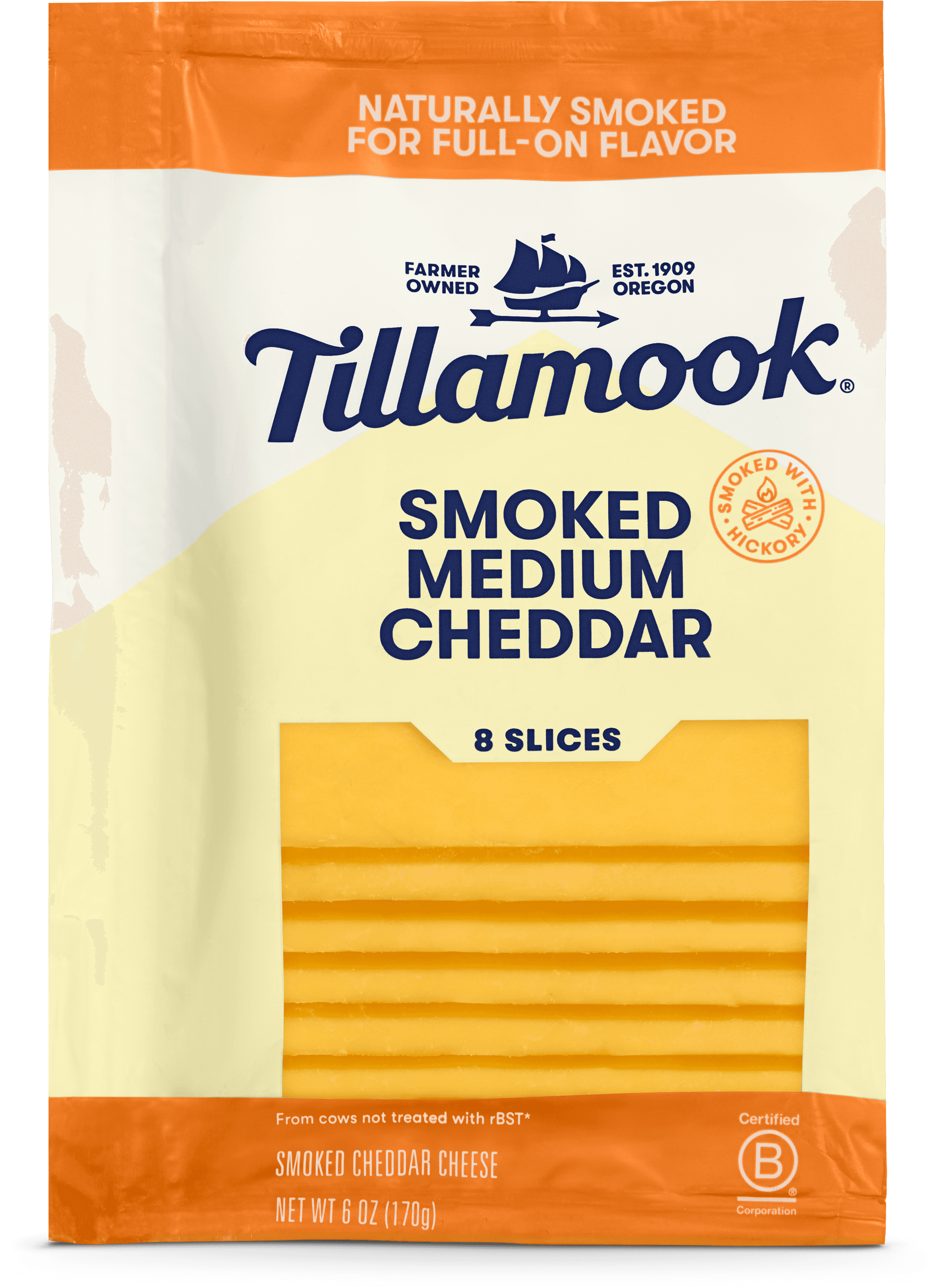
This smoked medium cheddar cheese is made from cultured milk, salt, enzymes, and natural wood smoke, with annatto for color. While it contains beneficial ingredients like cultured milk, the presence of annatto as an additive and its classification as an ultra-processed food limit its score. Despite its good nutritional profile, the level of processing prevents it from achieving a higher rating.
Key ingredients 5
Cultured milkGood
Cultured milk is a primary ingredient in cheese, providing essential proteins and fats. It undergoes fermentation, which can enhance digestibility and probiotic content. The quality of the milk can vary, but it is generally a nutritious component of cheese.
Benefits
Provides high-quality protein and beneficial fats, along with potential probiotic benefits from fermentation.
SaltNeutral
Salt is used in cheese for flavor and preservation. It is a common ingredient in cheese-making but does not provide additional nutritional benefits. Excessive consumption of salt can lead to health issues such as hypertension.
Risks
High sodium intake can contribute to hypertension and cardiovascular issues.
Benefits
Enhances flavor and acts as a preservative in cheese.
EnzymesNeutral
Enzymes are used in cheese-making to aid in the coagulation of milk. They are essential for the cheese-making process but do not contribute significant nutritional value. The type of enzymes used can vary, but they are generally safe and necessary for cheese production.
Benefits
Essential for the cheese-making process, aiding in milk coagulation.
AnnattoNeutral
Annatto is a natural colorant derived from the seeds of the achiote tree. It is used to give cheese a distinctive orange hue. While it is generally considered safe, some individuals may experience allergic reactions.
Risks
May cause allergic reactions in sensitive individuals.
Benefits
Provides natural coloring without synthetic additives.
Natural wood smokeNeutral
Natural wood smoke is used to impart a smoky flavor to cheese. It is a traditional method of flavoring but does not add nutritional value. The process can introduce polycyclic aromatic hydrocarbons (PAHs), which are potential carcinogens.
Risks
Potential exposure to PAHs, which are considered carcinogenic in high amounts.
Benefits
Adds a distinctive smoky flavor to the cheese.
Processing
Ultra-Processed Foods
Get the full breakdown in the Scout appTake Scout shopping
Scan any product to see lab results, healthy alternatives, and your personalized analysis.
Download on theApp Store GET IT ONGoogle Play