

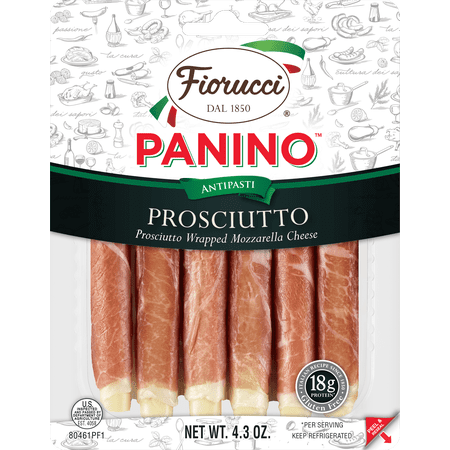


Roll & Go Prosciutto and Mozzarella
Analysis updated August 2026 · How Scout scores
At a glance
Summary
This product consists of prosciutto and low moisture mozzarella cheese, both of which are relatively simple and minimally processed ingredients. The prosciutto is made from pork and sea salt, while the mozzarella includes cultured pasteurized milk, salt, and microbial enzyme. Despite being processed, the ingredient list is clean and free from artificial additives, which supports a higher score within its processing category.
Key ingredients 5
PorkGood
Pork is a high-quality source of protein and essential nutrients. It provides a rich amino acid profile necessary for muscle maintenance and growth. When sourced from well-raised animals, it can be a part of a balanced diet.
Risks
Potential risks include high saturated fat content and sodium levels if consumed in excess.
Benefits
Rich in protein and essential vitamins like B12, which supports energy metabolism and neurological function.
Sea saltGood
Sea salt is a minimally processed source of sodium and trace minerals. It is often preferred over refined salt due to its natural mineral content. It enhances flavor without the need for artificial additives.
Risks
Excessive consumption can lead to high blood pressure and related health issues.
Benefits
Provides essential electrolytes and trace minerals that support hydration and nerve function.
Cultured pasteurized milkNeutral
Cultured pasteurized milk is used to make cheese, providing a source of calcium and protein. Pasteurization ensures safety by eliminating harmful bacteria. Culturing adds beneficial bacteria that can aid digestion.
Benefits
Contains calcium and protein, which are important for bone health and muscle function.
SaltNeutral
Salt is a common seasoning and preservative used in food products. It is essential for maintaining fluid balance and nerve function. However, it lacks the trace minerals found in unrefined salts.
Risks
Excessive intake can contribute to hypertension and cardiovascular issues.
Benefits
Essential for maintaining electrolyte balance and proper cellular function.
Microbial enzymeNeutral
Microbial enzymes are used in cheese production to aid in coagulation. They are an alternative to animal rennet and are suitable for vegetarians. These enzymes are generally recognized as safe and effective.
Benefits
Facilitates cheese production without the use of animal-derived rennet, making it suitable for vegetarian diets.
Processing
Processed Foods
Get the full breakdown in the Scout appTake Scout shopping
Scan any product to see lab results, healthy alternatives, and your personalized analysis.
Download on theApp Store GET IT ONGoogle Play