


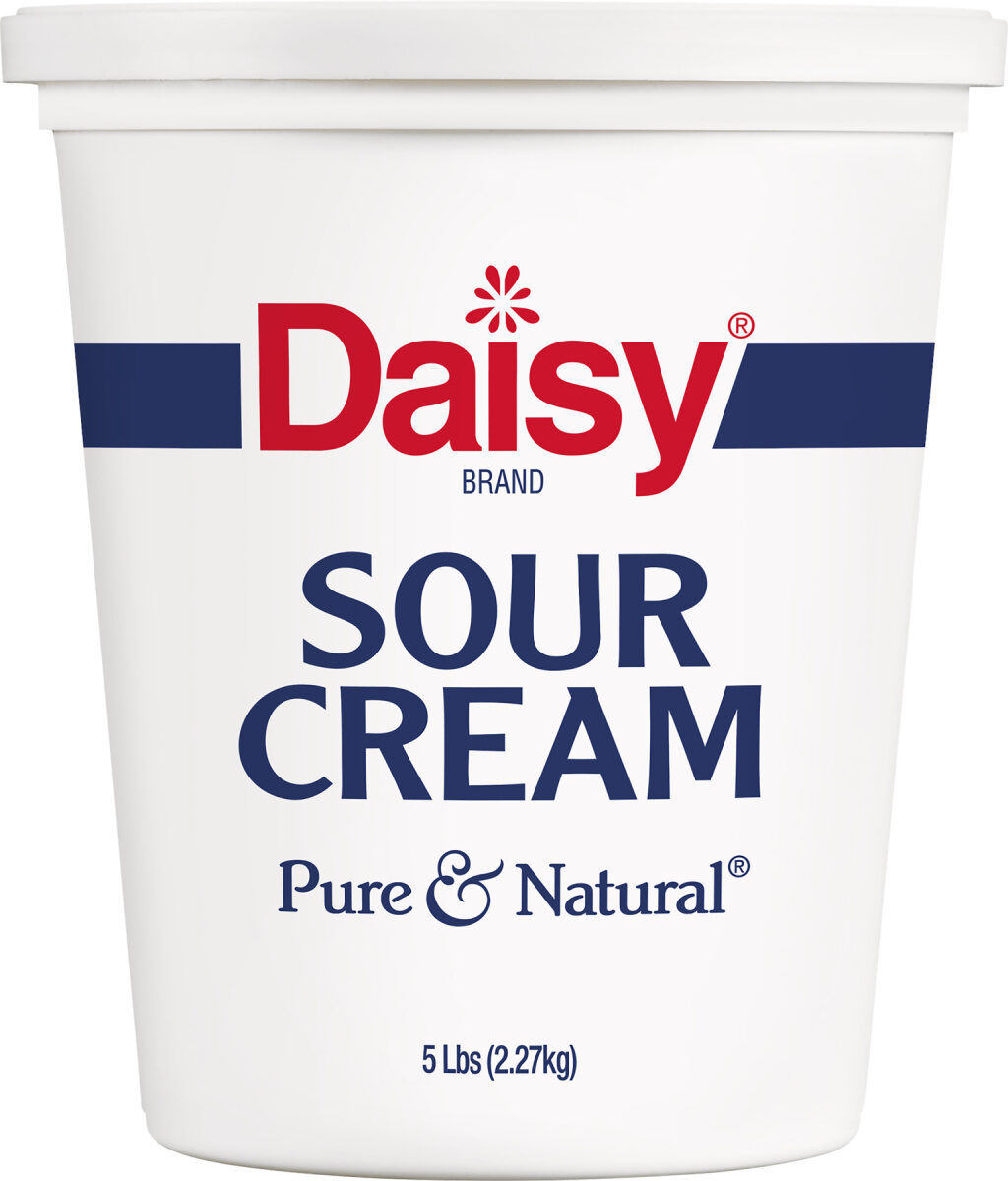
At a glance
Summary
This sour cream contains beneficial ingredients like cultured pasteurized cream and sea salt, which provide quality dairy fat and natural minerals. However, it is penalized for being ultra-processed and containing additives such as potassium sorbate and carrageenan, which are associated with potential health concerns. The presence of these additives and the high level of processing limit its overall healthiness despite the presence of some quality ingredients.
Key ingredients 7
Cultured pasteurized grade a creamGood
This ingredient is a high-quality source of dairy fat and protein. Pasteurization ensures safety by eliminating harmful bacteria. Culturing adds beneficial probiotics that can aid digestion.
Benefits
Provides essential fatty acids and fat-soluble vitamins. The probiotics from culturing may support gut health.
Sea saltGood
Sea salt is a natural source of sodium and trace minerals. It is less processed than regular table salt, retaining more minerals. It enhances flavor without the need for excessive additives.
Risks
Excessive consumption of sodium can lead to high blood pressure and cardiovascular issues.
Benefits
Provides essential minerals and enhances the flavor of foods naturally.
Milk and whey protein concentrateNeutral
Milk and whey protein concentrate are sources of high-quality protein. They provide essential amino acids necessary for muscle repair and growth. However, they are processed ingredients and may not be suitable for those with dairy allergies.
Risks
May cause allergic reactions in individuals with dairy sensitivities or lactose intolerance.
Benefits
Rich in essential amino acids that support muscle health and repair.
Xanthan gumNeutral
Xanthan gum is a polysaccharide used as a thickening and stabilizing agent. It is produced through fermentation and is generally considered safe. However, it may cause digestive discomfort in large amounts.
Risks
May cause digestive discomfort or bloating if consumed in large quantities.
Benefits
Improves texture and consistency in food products.
Annatto extractNeutral
Annatto extract is a natural coloring agent derived from the seeds of the achiote tree. It is used to impart a yellow or orange color to foods. It is generally considered safe but can cause allergic reactions in sensitive individuals.
Risks
May cause allergic reactions in sensitive individuals.
Benefits
Provides natural color to food products without synthetic dyes.
Potassium sorbateBad
Potassium sorbate is a synthetic preservative used to extend shelf life. It is generally recognized as safe but can cause allergic reactions in sensitive individuals. Its use in food products is often criticized due to its artificial nature.
Risks
May cause skin irritation or allergic reactions in sensitive individuals.
Benefits
Helps prevent spoilage and extends the shelf life of food products.
CarrageenanBad
Carrageenan is a thickening agent derived from seaweed. It is controversial due to potential gastrointestinal inflammation and digestive issues. Its use is debated in the food industry due to these health concerns.
Risks
May cause gastrointestinal inflammation and digestive issues in some individuals.
Benefits
Provides texture and stability to food products.
Processing
Ultra-Processed Foods
Get the full breakdown in the Scout appTake Scout shopping
Scan any product to see lab results, healthy alternatives, and your personalized analysis.
Download on theApp Store GET IT ONGoogle Play