

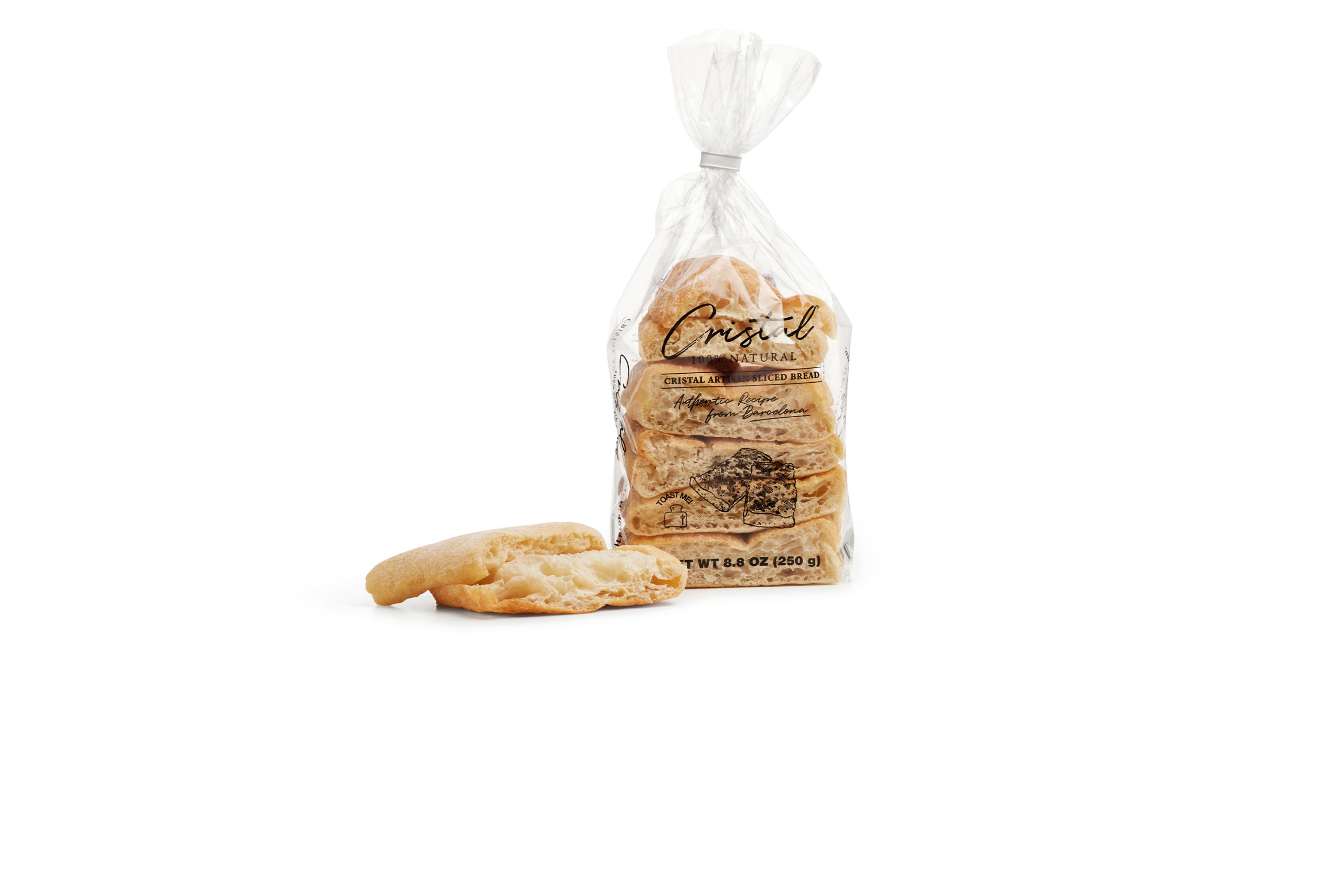


At a glance
Summary
The Artisan Brioche Buns are made with enriched flour and contain added sugar, which are common in processed foods and can contribute to weight gain and other health issues when consumed in excess. The product is moderately processed, which limits its score potential, and while it does not contain any major harmful additives, the presence of refined ingredients and added sugars affects its overall healthiness.
Key ingredients 14
NiacinGood
Beneficial ingredient — whole-food or functional value in this product class.
Benefits
Supports energy metabolism and skin health.
RiboflavinGood
Essential B vitamin — beneficial micronutrient.
Benefits
Supports energy production and cellular function.
Malted Barley FlourNeutral
Malted barley flour is used to enhance flavor and improve dough fermentation. It contains enzymes that help break down starches into sugars. It is typically used in small amounts in baking.
Benefits
Enhances flavor and aids in dough fermentation.
Reduced IronNeutral
Reduced iron is added to enriched flour to prevent iron deficiency. It is a common fortification in processed grains. It helps in the formation of red blood cells and oxygen transport.
Risks
Excessive intake may lead to iron overload.
Benefits
Prevents iron deficiency and supports oxygen transport.
Thiamine MononitrateNeutral
Thiamine mononitrate is a form of vitamin B1 used to fortify enriched flour. It is essential for energy metabolism and nerve function. It is commonly added to processed grains.
Benefits
Supports energy metabolism and nerve function.
Folic AcidNeutral
Folic acid is a synthetic form of folate used to fortify enriched flour. It is crucial for DNA synthesis and cell division. It is commonly added to processed grains to prevent neural tube defects.
Risks
Excessive intake may mask vitamin B12 deficiency.
Benefits
Prevents neural tube defects and supports DNA synthesis.
WaterNeutral
Water is a basic ingredient used in baking to hydrate flour and activate yeast. It is essential for dough formation and texture. It is a neutral ingredient with no nutritional value.
Benefits
Essential for dough formation and texture.
GlazeNeutral
Glaze is used to give baked goods a shiny appearance and improve texture. It is typically made from sugar and water or milk. It is used in small amounts and does not significantly impact nutrition.
Benefits
Enhances appearance and texture of baked goods.
Pea ProteinNeutral
Pea protein is a plant-based protein source used to increase protein content. It is hypoallergenic and suitable for vegetarians and vegans. It is less bioavailable compared to animal-based proteins.
Risks
May not provide a complete amino acid profile.
Benefits
Increases protein content and is suitable for plant-based diets.
Rice Pre-Gelatinized FlourNeutral
Rice pre-gelatinized flour is used to improve texture and moisture retention in baked goods. It is made by cooking and drying rice flour. It is gluten-free and suitable for those with gluten intolerance.
Benefits
Improves texture and moisture retention in baked goods.
Unbleached Enriched FlourBad
Processed additive flagged under Scout's ingredient doctrine.
Risks
May contribute to blood sugar spikes due to its refined nature.
Benefits
Provides essential vitamins and minerals through fortification.
Wheat FlourBad
Refined grain flour stripped of bran and germ.
Risks
May cause blood sugar spikes and lacks fiber.
Benefits
Provides carbohydrates for energy.
SugarBad
Sugar is a refined carbohydrate that provides sweetness and energy. It can contribute to weight gain and dental issues when consumed in excess. It is commonly used in processed foods for flavor.
Risks
May contribute to obesity, diabetes, and dental cavities.
Benefits
Provides quick energy but lacks nutritional benefits.
Glucose SyrupBad
Processed additive flagged under Scout's ingredient doctrine.
Risks
May contribute to weight gain and blood sugar spikes.
Benefits
Provides sweetness and improves texture in baked goods.
Processing
Processed Foods
Get the full breakdown in the Scout appTake Scout shopping
Scan any product to see lab results, healthy alternatives, and your personalized analysis.
Download on theApp Store GET IT ONGoogle Play