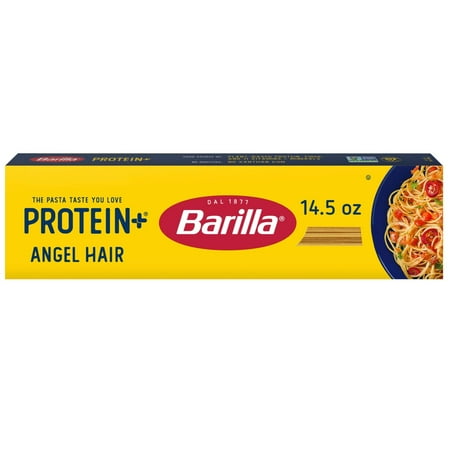
Barilla ANGEL HAIR MULTIGRAIN PASTA
At a glance
Summary
This pasta product contains a blend of beneficial ingredients such as semolina, grain and legume flour blend, and egg whites, which contribute to its high protein and fiber content. However, it is classified as ultra-processed due to the inclusion of added vitamins and minerals, which limits its score despite the presence of wholesome ingredients. The processing level necessitates a cap on the score, reflecting the impact of fortification and ingredient modification.
Key ingredients 10
SemolinaGood
Semolina is a high-protein flour made from durum wheat, providing essential nutrients. It is minimally processed, retaining its natural fiber and protein content. It is a staple in pasta making, offering a firm texture and rich flavor.
Risks
Contains gluten, which may cause issues for individuals with celiac disease or gluten sensitivity.
Benefits
Rich in protein and fiber, supporting digestive health and providing sustained energy.
Grain and legume flour blendGood
This blend includes lentils, chickpeas, flaxseed, barley, oats, and spelt, offering a diverse nutrient profile. These ingredients are minimally processed and provide a variety of vitamins, minerals, and fiber. The blend enhances the nutritional value of the pasta by adding plant-based proteins and omega-3 fatty acids.
Risks
May contain gluten and could cause allergic reactions in sensitive individuals.
Benefits
Provides a rich source of plant-based proteins, fiber, and essential fatty acids, supporting heart health and digestion.
Egg whitesGood
Egg whites are a high-quality protein source, low in calories and fat. They are minimally processed and provide essential amino acids. Used in pasta, they improve texture and nutritional content.
Risks
Potential allergen for individuals with egg allergies.
Benefits
Excellent source of protein, supporting muscle maintenance and repair.
Oat fiberGood
Oat fiber is a natural source of dietary fiber, aiding in digestion and promoting satiety. It is minimally processed, retaining its beneficial properties. It enhances the fiber content of the pasta without adding calories.
Benefits
Supports digestive health and helps maintain healthy blood sugar levels.
Durum wheat flourGood
Durum wheat flour is a high-protein flour used in pasta making, providing a firm texture and rich flavor. It is minimally processed, retaining its natural nutrients. It is a staple ingredient in traditional pasta recipes.
Risks
Contains gluten, which may cause issues for individuals with celiac disease or gluten sensitivity.
Benefits
Rich in protein and essential nutrients, supporting energy levels and muscle health.
NiacinNeutral
Niacin, also known as vitamin B3, is added to enrich the nutritional profile of the pasta. It is a water-soluble vitamin essential for energy metabolism. It is commonly added to fortified foods to prevent deficiencies.
Benefits
Supports energy metabolism and overall cellular health.
Iron (ferrous sulfate)Neutral
Iron is an essential mineral added to fortify the pasta, preventing iron deficiency anemia. Ferrous sulfate is a common form used in food fortification. It is crucial for oxygen transport and energy production.
Risks
Excessive intake can lead to gastrointestinal issues and toxicity.
Benefits
Supports oxygen transport in the blood and energy production.
Thiamine mononitrateNeutral
Thiamine mononitrate is a form of vitamin B1 added to enrich the pasta. It is essential for carbohydrate metabolism and nerve function. It is commonly used in food fortification to prevent deficiencies.
Benefits
Supports energy metabolism and nerve function.
RiboflavinNeutral
Riboflavin, or vitamin B2, is added to fortify the pasta, supporting energy production and cellular function. It is a water-soluble vitamin commonly used in food fortification. It helps convert food into energy and supports skin and eye health.
Benefits
Supports energy production and overall cellular health.
Folic acidNeutral
Folic acid is a synthetic form of vitamin B9 added to fortify the pasta, supporting DNA synthesis and cell division. It is essential for preventing neural tube defects during pregnancy. It is commonly used in food fortification to prevent deficiencies.
Risks
Excessive intake can mask vitamin B12 deficiency symptoms.
Benefits
Supports DNA synthesis and cell division, crucial during pregnancy.
Processing
Ultra-Processed Foods
Get the full breakdown in the Scout appTake Scout shopping
Scan any product to see lab results, healthy alternatives, and your personalized analysis.
Are you Barilla? Fix an error Get the badge Get tested
Amazon pricing & content
Amazon price as of . Product prices and availability are accurate as of the date/time indicated and are subject to change. Any price and availability information displayed on Amazon.com at the time of purchase will apply to the purchase of this product.
CERTAIN CONTENT THAT APPEARS ON THIS SITE COMES FROM AMAZON. THIS CONTENT IS PROVIDED “AS IS” AND IS SUBJECT TO CHANGE OR REMOVAL AT ANY TIME.