

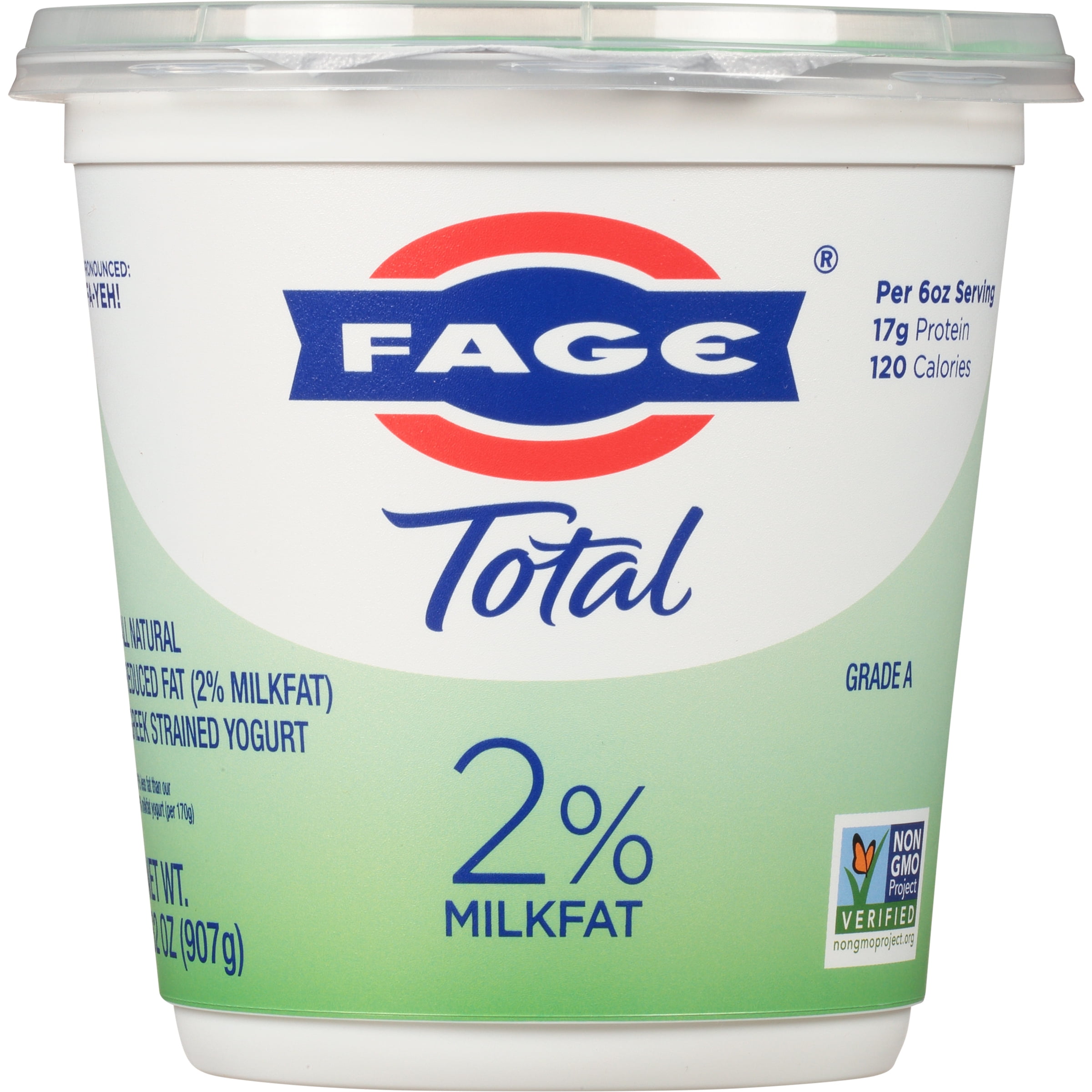


At a glance
Summary
This yogurt contains beneficial ingredients such as pasteurized milk, milk protein concentrate, and live active yogurt cultures, which support bone health, muscle growth, and gut health. However, it is classified as ultra-processed due to the inclusion of milk protein concentrate and whey protein concentrate, which limits its score. Despite its good nutritional profile, the processing level prevents it from achieving a higher rating.
Key ingredients 10
Pasteurized MilkGood
Pasteurized milk provides essential nutrients and beneficial probiotics that support gut health and overall nutrition.
See more about Pasteurized Milk →AcidophilusGood
Part of Live Active Yogurt Cultures. These live cultures promote healthy digestion and support a balanced gut microbiome.
BifidusGood
Part of Live Active Yogurt Cultures. These live cultures promote healthy digestion and support a balanced gut microbiome.
See more about Bifidus →L BulgaricusGood
Part of Live Active Yogurt Cultures. These live cultures promote healthy digestion and support a balanced gut microbiome.
See more about L Bulgaricus →S ThermophilusGood
Part of Live Active Yogurt Cultures. These live cultures promote healthy digestion and support a balanced gut microbiome.
See more about S Thermophilus →Milk Protein ConcentrateGood
Beneficial ingredient — whole-food or functional value in this product class.
See more about Milk Protein Concentrate →Whey Protein ConcentrateGood
Beneficial ingredient — whole-food or functional value in this product class.
See more about Whey Protein Concentrate →Vitamin D3Good
Beneficial ingredient — whole-food or functional value in this product class.
See more about Vitamin D3 →Skim MilkNeutral
Standard formulation ingredient — neither beneficial nor harmful at typical use.
See more about Skim Milk →Vitamin A PalmitateNeutral
Vitamin A palmitate is added to support vitamin intake but is a synthetic supplement with no direct health benefit in this context.
See more about Vitamin A Palmitate →Processing
Ultra-Processed Foods
Get the full breakdown in the Scout appTake Scout shopping
Scan any product to see lab results, healthy alternatives, and your personalized analysis.
Download on theApp Store GET IT ONGoogle Play