


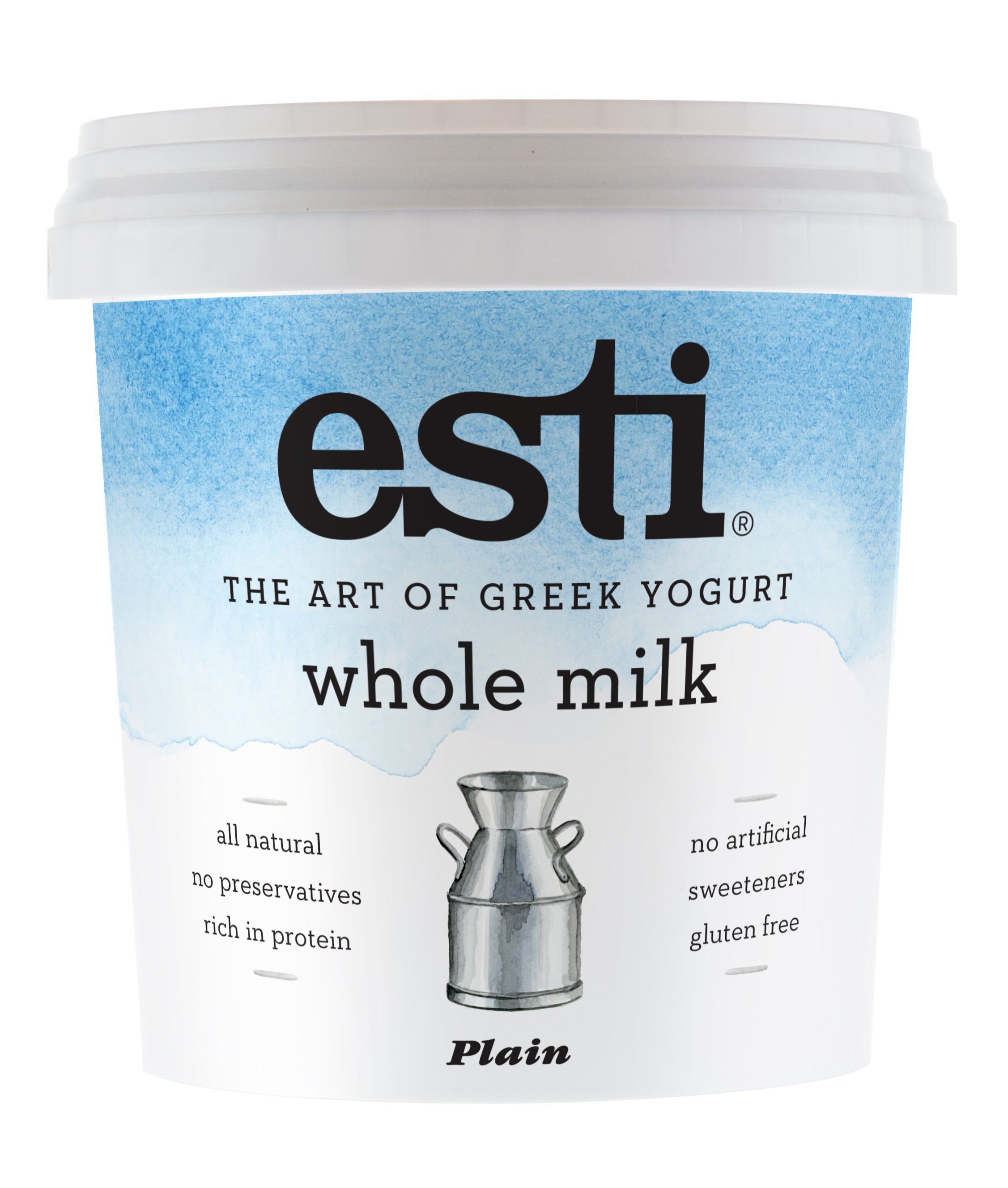


Oikos BLENDED GREEK YOGURT
OikosAnalysis updated August 2026 · How Scout scores
At a glance
Summary
This blended Greek yogurt contains beneficial ingredients like cultured non-fat milk and chicory root fiber, which provide protein and dietary fiber. However, it is classified as ultra-processed due to the presence of additives such as natural flavors and stevia leaf extract. While it has a relatively clean label with only a few additives, the processing level limits its overall health score.
Key ingredients 9
Cultured grade a non fat milkGood
A primary source of protein and calcium, essential for bone health. It is minimally processed and provides beneficial probiotics. The use of non-fat milk reduces calorie content while maintaining nutritional benefits.
Benefits
Provides high-quality protein and calcium, supporting muscle and bone health. Contains probiotics that may aid in digestion and gut health.
Chicory root fiberGood
A natural source of dietary fiber that can improve digestive health. It acts as a prebiotic, promoting the growth of beneficial gut bacteria. Chicory root fiber is minimally processed and adds functional benefits to the product.
Risks
Excessive consumption may cause digestive discomfort in some individuals.
Benefits
Supports digestive health by acting as a prebiotic and increasing fiber intake. May help in maintaining healthy blood sugar levels.
Sea saltGood
A natural source of sodium and trace minerals, minimally processed. It enhances flavor without the additives found in refined salt. Sea salt is a healthier alternative to regular table salt.
Risks
Excessive sodium intake can lead to health issues such as hypertension.
Benefits
Provides essential minerals and enhances flavor naturally.
Vitamin d3Good
Beneficial ingredient — whole-food or functional value in this product class.
Benefits
Supports bone health and immune function by aiding in calcium absorption.
Vegetable juiceNeutral
Used primarily for coloring, it does not significantly impact the nutritional profile. The processing method retains some natural pigments. It is a better alternative to artificial colors.
Benefits
Provides natural coloring without the use of artificial dyes.
Stevia leaf extractNeutral
A natural, zero-calorie sweetener derived from the stevia plant. It is used to reduce sugar content without adding calories. Stevia is generally considered safe and does not affect blood sugar levels.
Benefits
Offers a sweet taste without the calories of sugar, making it suitable for low-calorie diets.
Malic acidNeutral
A naturally occurring acid used to enhance flavor and preserve freshness. It is commonly found in fruits and is generally recognized as safe. Malic acid contributes to the tartness of the product.
Benefits
Enhances flavor and helps maintain product freshness.
Sodium citrateNeutral
Used as an acidity regulator and emulsifier in food products. It helps maintain the stability and texture of the yogurt. Sodium citrate is generally recognized as safe and is used in small quantities.
Benefits
Helps maintain product consistency and stability.
Natural flavorsBad
A catch-all term that can include a variety of chemical compounds. The lack of transparency makes it difficult to assess the health impact. Often used to enhance flavor without providing nutritional benefits.
Risks
Potential for allergic reactions or sensitivities due to undisclosed ingredients.
Processing
Ultra-Processed Foods
Get the full breakdown in the Scout appTake Scout shopping
Scan any product to see lab results, healthy alternatives, and your personalized analysis.
Download on theApp Store GET IT ONGoogle PlayAmazon pricing & content
Amazon price as of . Product prices and availability are accurate as of the date/time indicated and are subject to change. Any price and availability information displayed on Amazon.com at the time of purchase will apply to the purchase of this product.
CERTAIN CONTENT THAT APPEARS ON THIS SITE COMES FROM AMAZON. THIS CONTENT IS PROVIDED “AS IS” AND IS SUBJECT TO CHANGE OR REMOVAL AT ANY TIME.