

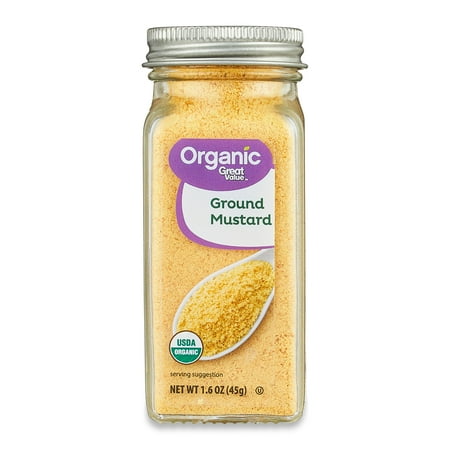


Great Value Mustard
Great ValueAnalysis updated June 2026 · How Scout scores
Near you
Great Value is carried at Walmart stores. Find one within 25 miles.
At a glance
Summary
This mustard product contains beneficial ingredients such as mustard seed, turmeric, and paprika, which offer antioxidant and anti-inflammatory properties. However, it also includes a significant amount of sugar, which can contribute to health issues like obesity and dental cavities. The product is moderately processed, which limits its score despite the presence of some healthful components.
Key ingredients 12
VinegarGood
Vinegar is a fermented product that can aid in digestion and provide a tangy flavor. It is known for its potential to help regulate blood sugar levels. The acetic acid in vinegar may also have antimicrobial properties.
Risks
Excessive consumption may lead to enamel erosion or digestive discomfort.
Benefits
May help in regulating blood sugar levels and has antimicrobial properties.
Mustard SeedGood
Mustard seeds are a source of beneficial compounds like glucosinolates, which have antioxidant properties. They contribute to the pungent flavor and potential health benefits of mustard. Mustard seeds may also support digestive health.
Risks
Allergic reactions can occur in sensitive individuals.
Benefits
Rich in antioxidants and may support digestive health.
Cider VinegarGood
Cider vinegar, like regular vinegar, is a fermented product that can aid digestion and provide a distinct flavor. It contains acetic acid, which may help in regulating blood sugar levels. The fermentation process may also contribute beneficial probiotics.
Risks
Excessive consumption may lead to enamel erosion or digestive discomfort.
Benefits
May help in regulating blood sugar levels and contains beneficial probiotics.
HoneyGood
Traditional whole-food sweetener with trace enzymes and antioxidants.
Risks
High sugar content can contribute to weight gain and dental issues if consumed in excess.
Benefits
Contains trace vitamins and minerals and is less processed than refined sugar.
SpicesGood
Whole-food seasonings, antioxidant-bearing.
Benefits
May provide antioxidant benefits and enhance flavor.
TurmericGood
Turmeric is known for its anti-inflammatory and antioxidant properties, largely due to the compound curcumin. It is used for its vibrant color and potential health benefits. Turmeric may support joint health and reduce inflammation.
Risks
High doses may cause digestive issues in some individuals.
Benefits
Contains curcumin, which has anti-inflammatory and antioxidant properties.
PaprikaGood
Paprika is a spice made from ground peppers, providing color and flavor. It contains antioxidants like vitamin A and capsaicin, which may support metabolism. Paprika enhances the visual appeal and taste of the product.
Benefits
Rich in antioxidants and enhances flavor and color.
WaterNeutral
Water is a neutral ingredient used as a solvent and to adjust the consistency of the product. It does not contribute any nutritional value or health risks. It is essential for dissolving other ingredients and ensuring the desired texture.
See more about Water →SaltNeutral
Salt is used to enhance flavor and preserve food. It is a necessary nutrient but should be consumed in moderation to avoid health issues like hypertension. The type of salt used is not specified, so it is considered neutral.
Risks
Excessive intake can lead to hypertension and cardiovascular issues.
Benefits
Essential for bodily functions and enhances flavor.
Citric AcidNeutral
Citric acid is a natural preservative and flavor enhancer commonly used in food products. It helps maintain freshness and adds a tangy taste. It is generally recognized as safe when used in food products.
Benefits
Helps preserve freshness and enhances flavor.
SugarBad
Sugar is a refined carbohydrate that can contribute to increased calorie intake without providing essential nutrients. Excessive consumption is linked to various health issues such as obesity and dental cavities. It is used to balance flavors but should be consumed in moderation.
Risks
Linked to obesity, diabetes, and dental cavities when consumed in excess.
Brown SugarBad
Processed additive flagged under Scout's ingredient doctrine.
Risks
Similar health risks to white sugar, including potential for weight gain and dental issues.
Benefits
Provides a distinct flavor due to molasses content.
Processing
Processed Foods
Get the full breakdown in the Scout appTake Scout shopping
Scan any product to see lab results, healthy alternatives, and your personalized analysis.
Download on theApp Store GET IT ONGoogle PlayAmazon pricing & content
Amazon price as of . Product prices and availability are accurate as of the date/time indicated and are subject to change. Any price and availability information displayed on Amazon.com at the time of purchase will apply to the purchase of this product.
CERTAIN CONTENT THAT APPEARS ON THIS SITE COMES FROM AMAZON. THIS CONTENT IS PROVIDED “AS IS” AND IS SUBJECT TO CHANGE OR REMOVAL AT ANY TIME.