
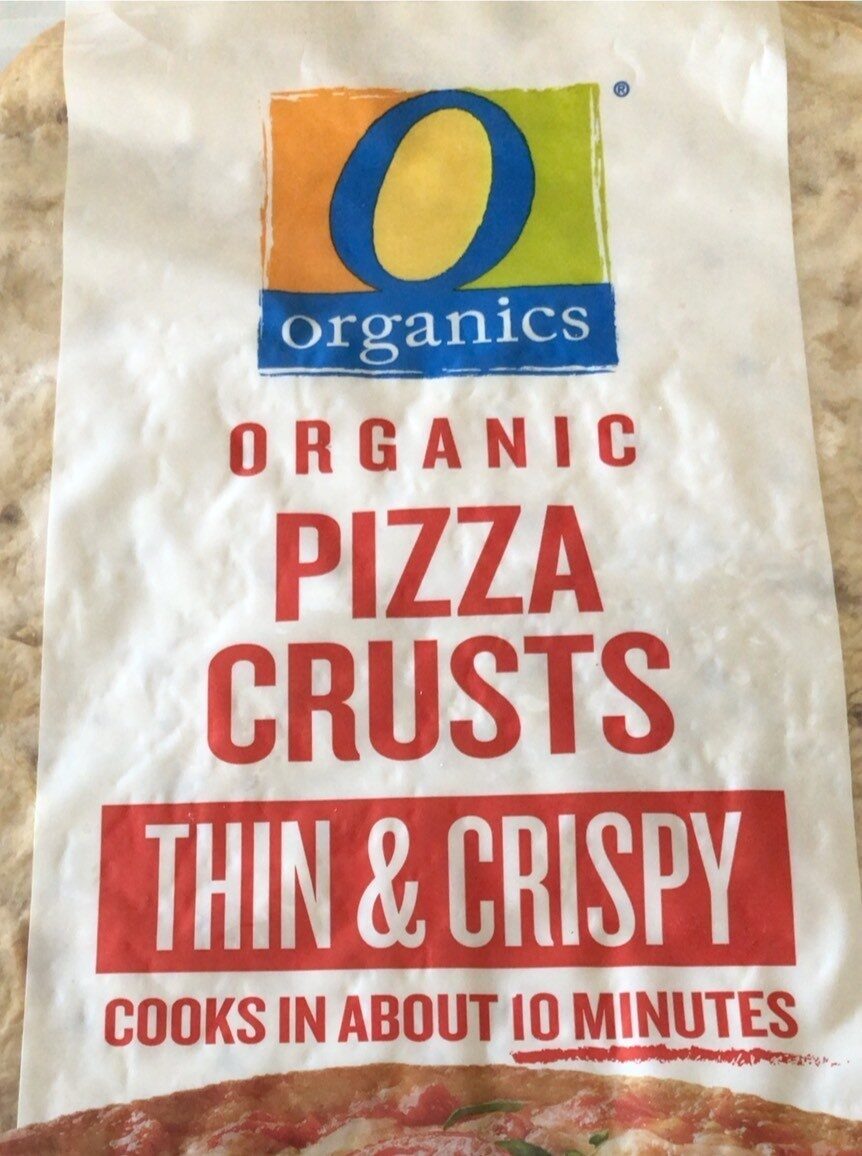


Organics Pizza Crust
Analysis updated August 2026 · How Scout scores
At a glance
Summary
This pizza crust is made with organic ingredients such as wheat flour and raisin juice concentrate, which are beneficial for health. However, it includes processed components like soy lecithin and a gum blend, which are used to improve texture but add to the level of processing. The presence of organic high oleic sunflower oil is a healthier fat choice, but the overall processing level limits the score.
Key ingredients 9
Organic white distilled vinegarGood
Organic white distilled vinegar is used for flavor and as a natural preservative. It is organic, ensuring no synthetic chemicals are used in its production. Vinegar can aid in digestion and has antimicrobial properties.
Benefits
May aid in digestion and has antimicrobial properties, contributing to food safety and flavor enhancement.
Sea saltGood
Sea salt is a natural source of sodium and trace minerals. It is less processed than table salt, retaining beneficial minerals. It enhances flavor and provides essential electrolytes.
Risks
Excessive consumption can lead to high blood pressure and other health issues.
Benefits
Provides essential electrolytes and trace minerals, supporting overall health.
Organic wheat flourNeutral
Standard formulation ingredient — neither beneficial nor harmful at typical use.
Risks
Potential gluten intolerance or allergy for sensitive individuals.
Benefits
Provides essential carbohydrates for energy and contains some protein and fiber, contributing to a balanced diet.
WaterNeutral
Water is a basic ingredient used to hydrate and bind other ingredients. It is essential for the dough formation but does not contribute any nutritional value. It is a neutral component in terms of health impact.
See more about Water →Organic raisin juice concentrateNeutral
Organic raisin juice concentrate is used as a natural sweetener. It provides some natural sugars and antioxidants from raisins. However, it is still a concentrated source of sugar, which should be consumed in moderation.
Risks
High sugar content may contribute to increased calorie intake if consumed in excess.
Benefits
Contains natural sugars and some antioxidants, offering a more natural alternative to refined sugars.
Gum blendNeutral
Gum blend is used as a thickening and stabilizing agent in food products. It helps improve texture and shelf life. While it is a processed ingredient, it is generally recognized as safe in moderate amounts.
Risks
May cause digestive discomfort in sensitive individuals if consumed in large quantities.
Benefits
Improves texture and stability of the product, enhancing consumer experience.
Lactic acidNeutral
Lactic acid is used as a preservative and flavoring agent. It is naturally occurring and helps maintain the acidity and freshness of the product. It is a neutral ingredient with no significant health concerns.
Benefits
Helps preserve the product and enhances flavor by providing a slight tanginess.
Organic soy lecithinBad
Soy lecithin is used as an emulsifier to improve texture and consistency. Despite being organic, it is a processed ingredient derived from soy, which may raise concerns for those with soy allergies. It is considered a less desirable ingredient due to its processing and potential allergenicity.
Risks
May cause allergic reactions in individuals sensitive to soy.
Benefits
Improves texture and consistency of the product, aiding in emulsification.
Organic high oleic sunflower oilVery Bad
Heavily flagged ingredient class under Scout's doctrine.
Benefits
Provides monounsaturated fats that are beneficial for heart health compared to regular sunflower oil.
Processing
Processed Foods
Get the full breakdown in the Scout appTake Scout shopping
Scan any product to see lab results, healthy alternatives, and your personalized analysis.
Download on theApp Store GET IT ONGoogle PlayAmazon pricing & content
Amazon price as of . Product prices and availability are accurate as of the date/time indicated and are subject to change. Any price and availability information displayed on Amazon.com at the time of purchase will apply to the purchase of this product.
CERTAIN CONTENT THAT APPEARS ON THIS SITE COMES FROM AMAZON. THIS CONTENT IS PROVIDED “AS IS” AND IS SUBJECT TO CHANGE OR REMOVAL AT ANY TIME.