
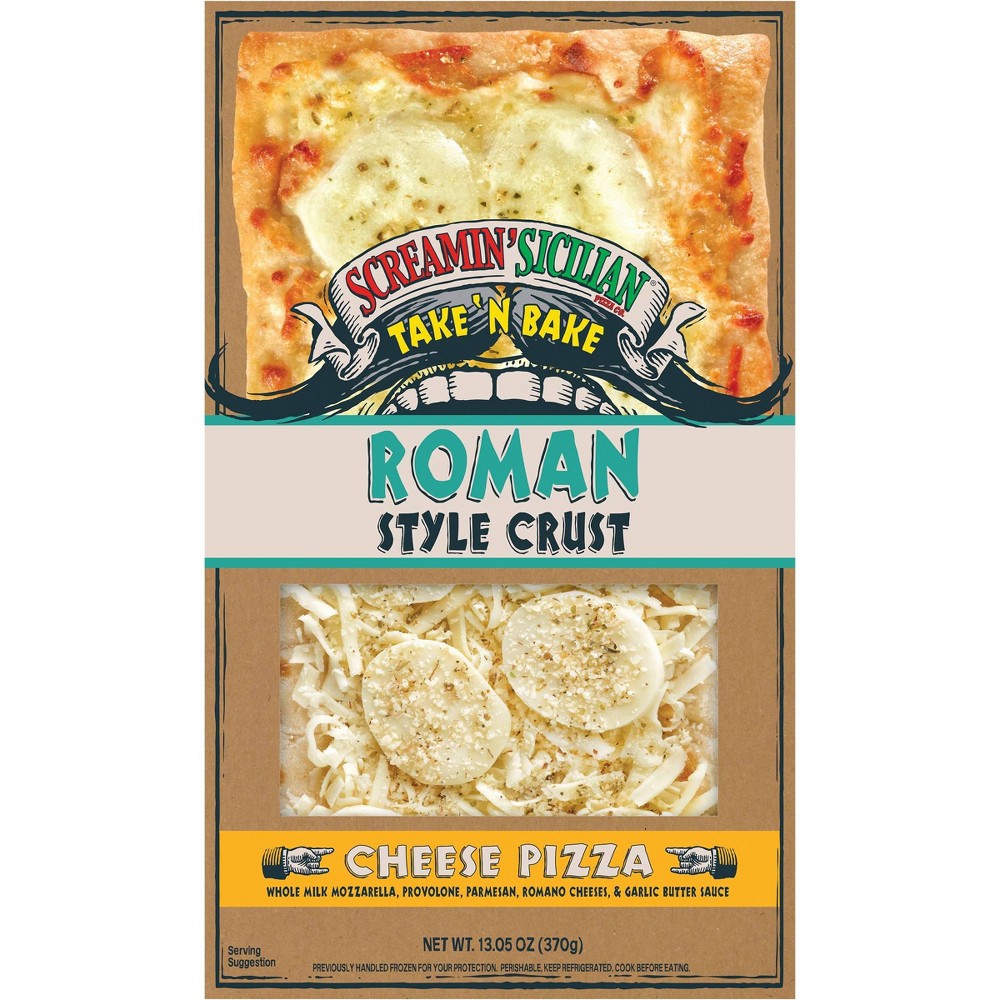


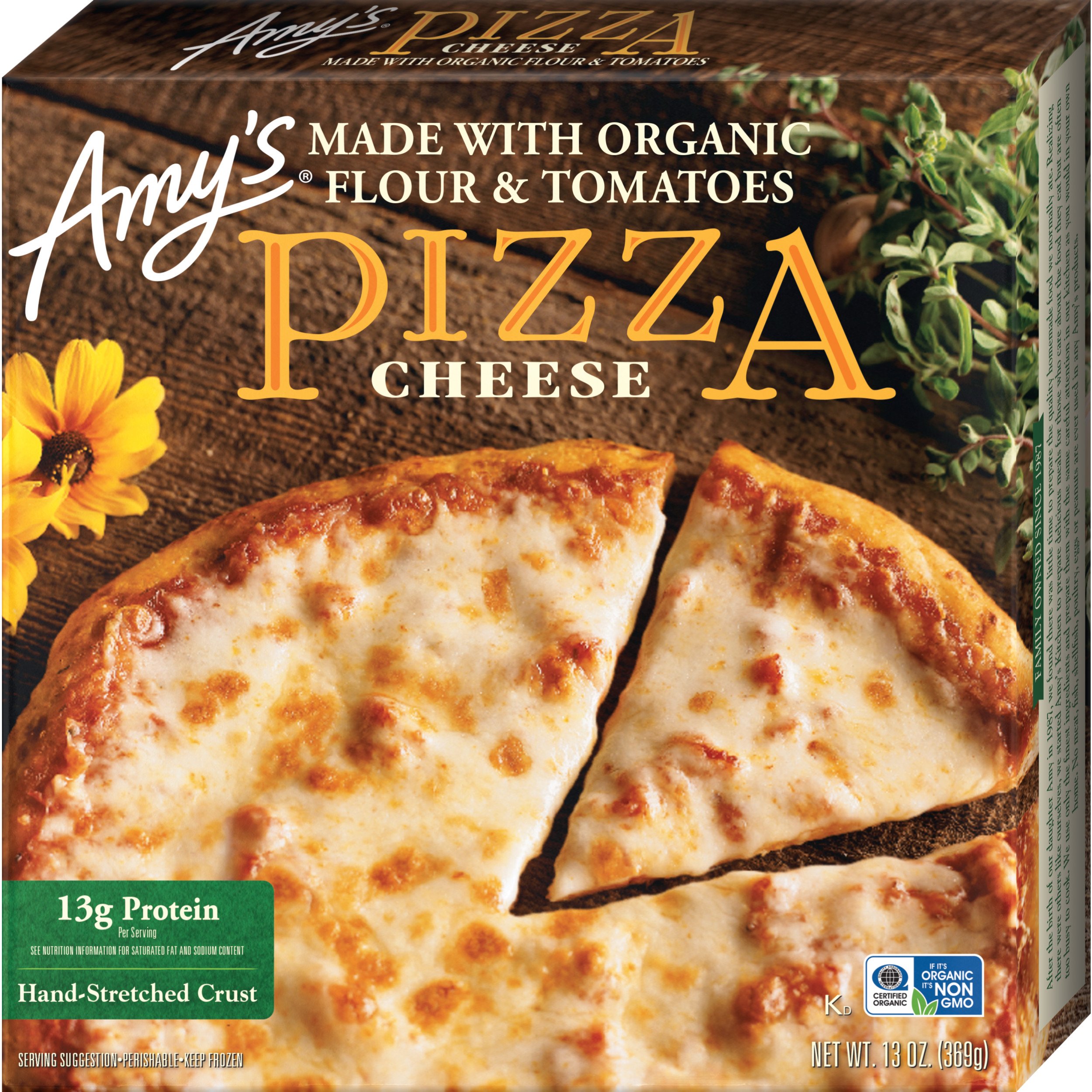
Screamin' Sicilian Take & Bake Cheese Roman Style Pizza - 13.05oz
Analysis updated July 2026 · How Scout scores
At a glance
Summary
This pizza features some high-quality ingredients like extra virgin olive oil and herbs, which contribute beneficial nutrients and flavors. However, the presence of defatted soy flour, a processed ingredient, and the overall processing level of the product limit its healthiness. While it avoids major harmful additives, the processing level and inclusion of processed soy flour prevent it from scoring higher.
Key ingredients 14
Extra virgin olive oilVery Good
High-quality monounsaturated fat with anti-inflammatory properties. Contains antioxidants that support heart health. Cold-pressed extraction preserves beneficial compounds.
Benefits
Rich in monounsaturated fats that support heart health and provide anti-inflammatory properties. Contains antioxidants like vitamin E and polyphenols that may reduce oxidative stress.
OreganoGood
Oregano is a herb known for its aromatic flavor and potential health benefits. It contains antioxidants and has antimicrobial properties. It is used to enhance the flavor profile of dishes.
Benefits
Rich in antioxidants and may provide antimicrobial benefits.
Granulated garlicGood
Granulated garlic is a dehydrated form of garlic that retains its flavor and some health benefits. It is known for its antioxidant and anti-inflammatory properties. It enhances the flavor of dishes without adding moisture.
Benefits
Provides antioxidants and enhances flavor.
BasilGood
Basil is a herb that adds flavor and aroma to dishes. It contains antioxidants and has anti-inflammatory properties. It is often used in Mediterranean cuisine for its health benefits and taste.
Benefits
Rich in antioxidants and provides anti-inflammatory benefits.
MilkGood
Whole dairy ingredient.
Risks
May cause digestive issues for lactose-intolerant individuals.
Benefits
Provides calcium and protein, supporting bone and muscle health.
WaterNeutral
Water is a fundamental ingredient used to hydrate and bind ingredients. It is essential for dough formation and texture. It does not contribute any calories or nutrients.
Benefits
Essential for hydration and does not add calories.
Rice flourNeutral
Rice flour is often used as a gluten-free alternative to wheat flour. It provides a different texture and is a source of carbohydrates. It lacks significant protein and fiber compared to whole grain flours.
Risks
May contribute to a higher glycemic index if used in large amounts.
Benefits
Useful for gluten-free baking and provides carbohydrates for energy.
SaltNeutral
Salt is used to enhance flavor and preserve food. It is a common culinary ingredient but does not provide significant nutritional benefits. Excessive consumption can lead to health issues.
Risks
High sodium intake can contribute to hypertension and cardiovascular disease.
Benefits
Enhances flavor and acts as a preservative.
YeastNeutral
Baker's/nutritional yeast in standard use — benign.
Benefits
Enhances flavor and texture while providing some nutritional benefits.
Dough conditionerNeutral
Dough conditioners are used to improve the texture and shelf life of baked goods. They can include a variety of additives, but specific types are not listed here. Their impact depends on the specific compounds used.
Risks
Potential for containing additives that some individuals may wish to avoid.
Benefits
Improves dough consistency and shelf life.
SoyNeutral
Soy is a plant-based protein source that contains essential amino acids. It is often used in vegetarian and vegan diets. However, it may contain phytoestrogens that can affect hormone levels in large amounts.
Risks
May affect hormone levels due to phytoestrogens and can cause allergic reactions.
Benefits
Provides a complete protein source for plant-based diets.
WheatNeutral
Wheat is a staple grain providing carbohydrates and some protein. It is a common ingredient in many foods but lacks significant micronutrients unless enriched. It can cause issues for those with gluten intolerance.
Risks
May cause allergic reactions in individuals with gluten intolerance or celiac disease.
Benefits
Provides energy through carbohydrates and some protein content.
Wheat flourBad
Refined grain flour stripped of bran and germ.
Risks
May cause allergic reactions in individuals with gluten intolerance or celiac disease.
Benefits
Provides energy through carbohydrates and some protein content.
Defatted soy flourBad
Defatted soy flour is a processed form of soy that removes fat content. It is used to increase protein content but may contain anti-nutrients. Processing can reduce some beneficial compounds found in whole soy.
Risks
May contain anti-nutrients that affect mineral absorption and can cause allergic reactions.
Benefits
Provides a source of plant-based protein.
Processing
Processed Foods
Get the full breakdown in the Scout appTake Scout shopping
Scan any product to see lab results, healthy alternatives, and your personalized analysis.
Download on theApp Store GET IT ONGoogle Play