







Near you
Kirkland Signature is carried at Costco stores. Find one within 25 miles.
At a glance
Summary
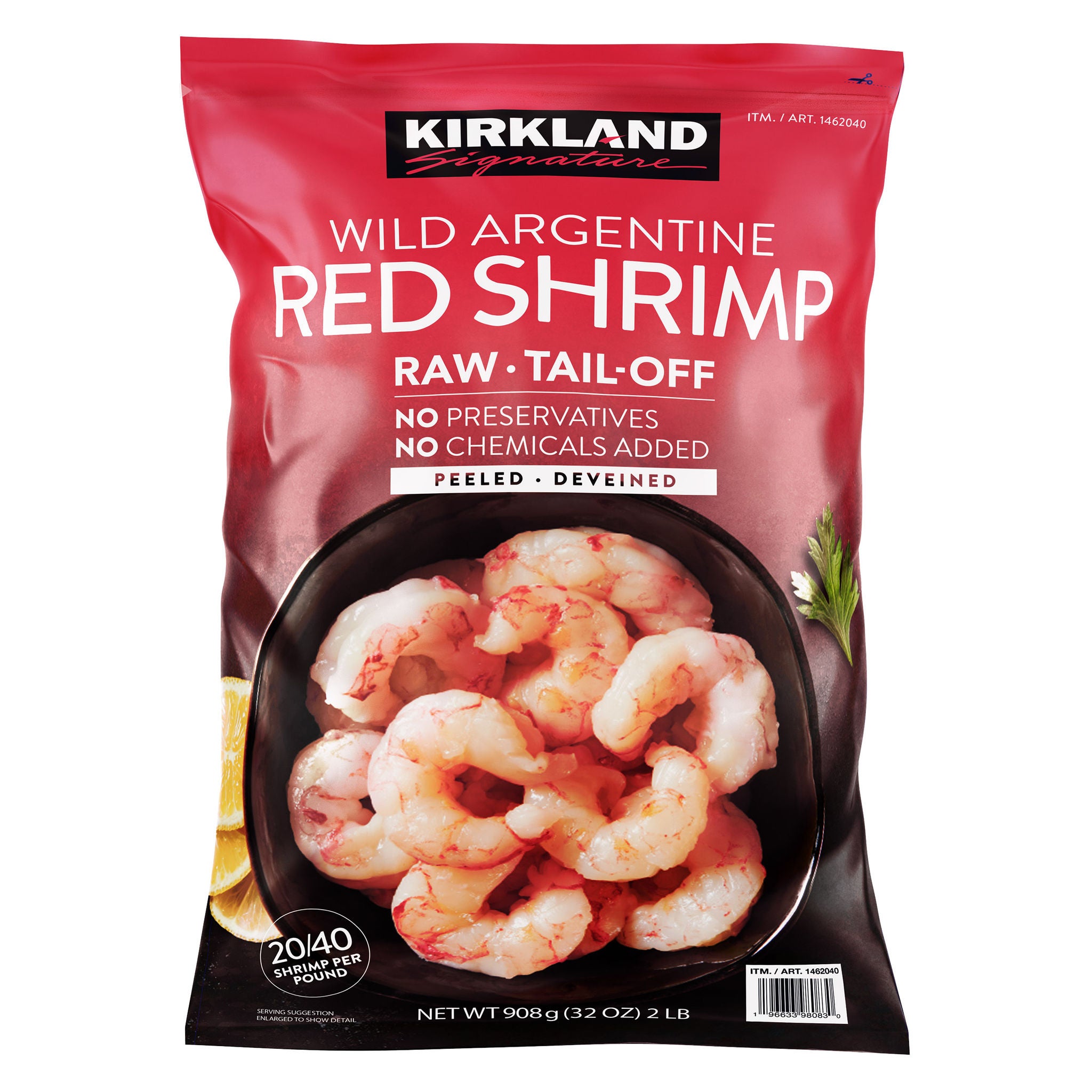
This product contains high-quality ingredients such as shrimp, butter, and romano cheese, which provide essential nutrients and beneficial fats. The inclusion of garlic, onion, and spices adds antioxidants and anti-inflammatory properties. Despite being processed, the ingredient list is clean and free from harmful additives, allowing it to score well within its category.
Key ingredients 9
ShrimpVery Good
Shrimp is a high-quality source of protein and essential nutrients. It is low in fat and calories, making it a healthy choice for many diets. The presence of omega-3 fatty acids supports cardiovascular health.
Risks
Potential allergen for some individuals, which can cause severe reactions.
Benefits
Rich in protein and omega-3 fatty acids, which are beneficial for heart health and brain function.
ButterGood
Butter provides a source of saturated fats and fat-soluble vitamins. It is minimally processed and can enhance flavor and texture. Grass-fed butter is particularly high in beneficial fatty acids.
Risks
High in saturated fats, which should be consumed in moderation to avoid cardiovascular risks.
Benefits
Contains fat-soluble vitamins like A, D, E, and K, and provides a rich flavor profile.
Romano cheeseGood
Romano cheese is a source of calcium and protein. It is a fermented dairy product that can support gut health. The aging process enhances its flavor and nutritional profile.
Risks
Contains lactose, which may be problematic for lactose-intolerant individuals.
Benefits
Rich in calcium and protein, supporting bone health and muscle maintenance.
GarlicGood
Garlic is known for its antioxidant and anti-inflammatory properties. It contains allicin, which may support cardiovascular health. Fresh garlic provides more health benefits compared to processed forms.
Risks
May cause digestive discomfort in some individuals when consumed in large amounts.
Benefits
Supports immune function and may help reduce blood pressure.
OnionGood
Onion is a flavorful vegetable that provides antioxidants and vitamins. It contains quercetin, which has anti-inflammatory effects. Fresh onions are more beneficial than processed forms.
Risks
May cause digestive discomfort in some individuals.
Benefits
Rich in antioxidants and supports immune health.
SpicesGood
Spices add flavor and can provide various health benefits depending on the type. They often contain antioxidants and anti-inflammatory compounds. The use of natural spices is preferable to artificial flavorings.
Benefits
May provide antioxidant and anti-inflammatory benefits.
ParsleyGood
Parsley is a herb rich in vitamins A, C, and K. It provides antioxidants and can support bone health. Fresh parsley is more beneficial than dried forms.
Benefits
Rich in vitamins and antioxidants, supporting overall health.
WaterNeutral
Water is used as a processing aid and does not contribute significant nutritional value. It is essential for maintaining moisture in the product. No processing concerns are associated with water.
See more about Water →SaltNeutral
Salt is used to enhance flavor and preserve food. It is a necessary nutrient but should be consumed in moderation. Excessive intake can lead to hypertension.
Risks
High sodium intake is associated with increased risk of hypertension and cardiovascular disease.
Benefits
Essential for maintaining fluid balance and nerve function.
Processing
Processed Foods
Get the full breakdown in the Scout appTake Scout shopping
Scan any product to see lab results, healthy alternatives, and your personalized analysis.
Download on theApp Store GET IT ONGoogle Play