
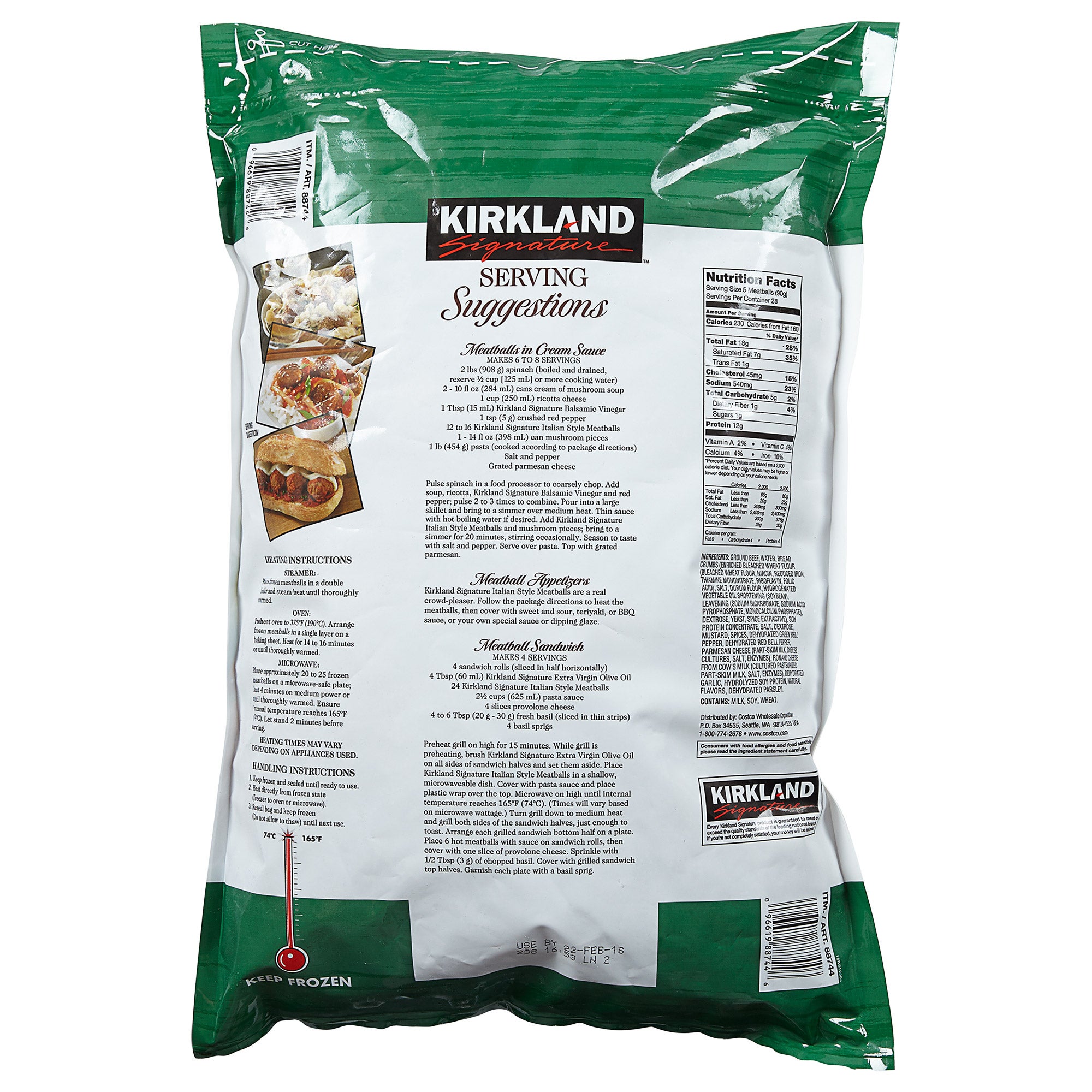

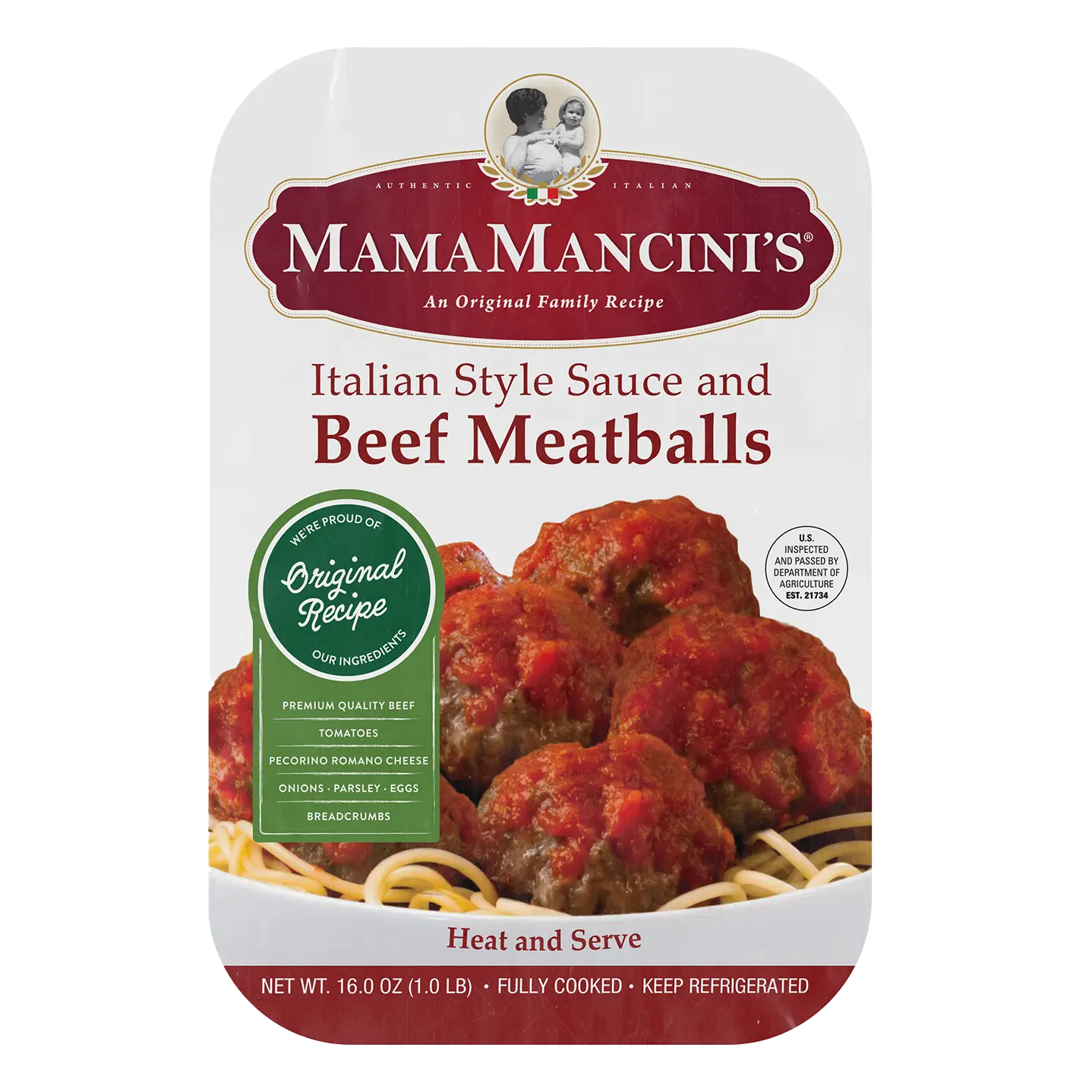
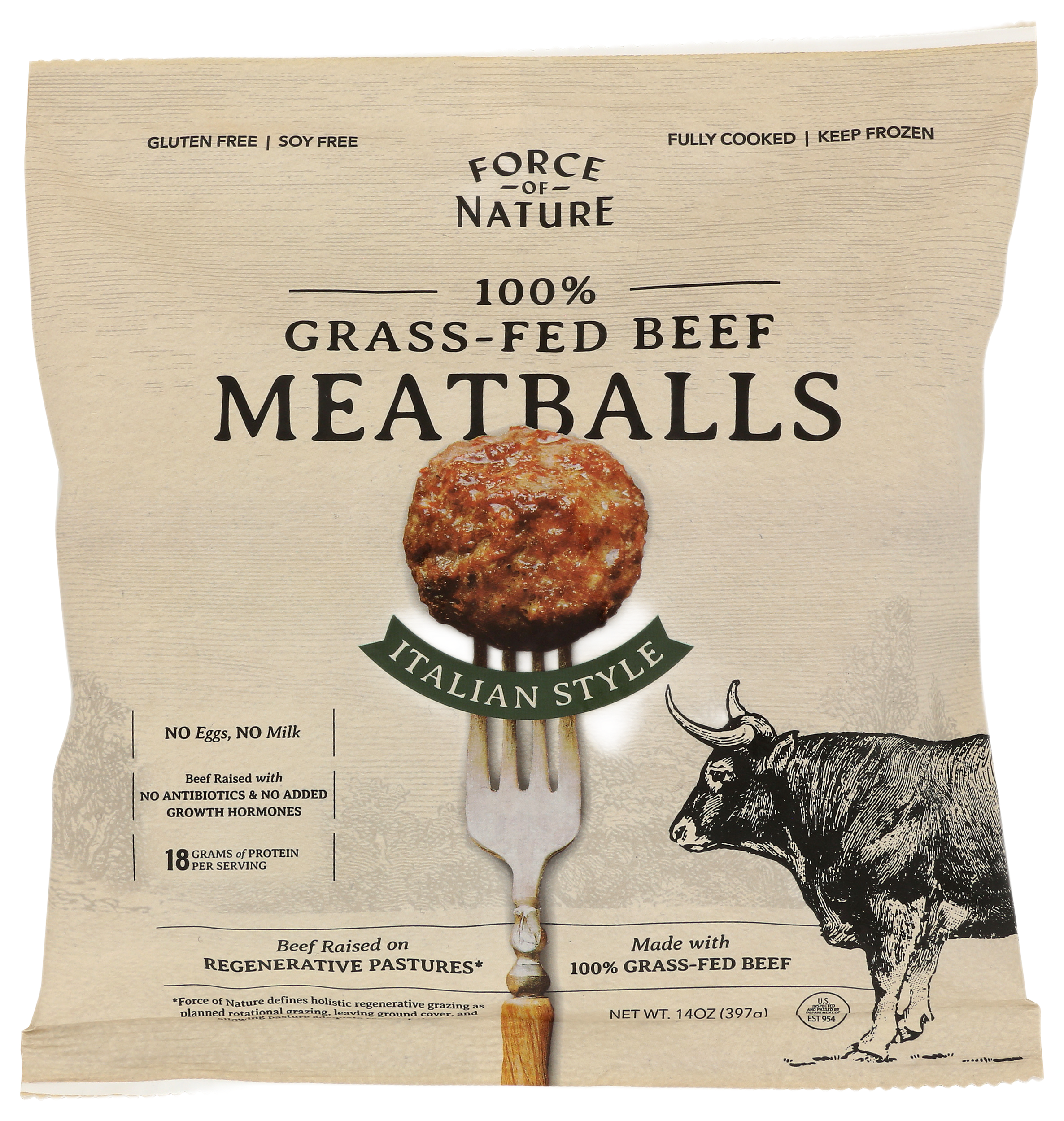

Italian Style Meatballs
KirklandAnalysis updated September 2026 · How Scout scores
At a glance
Summary
The Italian Style Meatballs contain beneficial ingredients like ground beef, spices, and dehydrated garlic, which contribute to their nutritional value. However, the presence of processed ingredients such as soy protein concentrate, dextrose, and hydrolyzed soy protein, along with the use of natural flavors, indicates a moderate level of processing. These factors, combined with the processed nature of the product, limit its overall health score.
Key ingredients 15
Ground beefGood
Ground beef is a rich source of high-quality protein and essential nutrients like iron and B vitamins. The quality of the beef can vary based on the animal's diet and living conditions. Grass-fed beef is generally considered healthier due to higher omega-3 content.
Risks
Potential risks include high saturated fat content, which may contribute to heart disease if consumed in excess.
Benefits
Provides essential amino acids and nutrients necessary for muscle growth and maintenance.
MustardGood
Mustard adds flavor and contains compounds with potential health benefits, such as glucosinolates. It is low in calories and can enhance the taste of foods without adding significant fat or sugar.
Benefits
Contains antioxidants and may have anti-inflammatory properties.
SpicesGood
Spices enhance flavor and may offer various health benefits due to their antioxidant properties. They can improve digestion and have anti-inflammatory effects. The specific benefits depend on the types of spices used.
Benefits
May contribute to improved metabolic health and reduced inflammation.
Dehydrated garlicGood
Dehydrated garlic is used for flavor and has potential health benefits, including antimicrobial and cardiovascular effects. It retains many of the beneficial compounds found in fresh garlic.
Benefits
May support heart health and boost the immune system.
Chili pepperGood
Chili pepper adds heat and flavor, and contains capsaicin, which may have metabolic and anti-inflammatory benefits. It is low in calories and can enhance the taste of dishes.
Risks
May cause irritation or discomfort in sensitive individuals.
Benefits
May boost metabolism and provide antioxidant benefits.
SaltNeutral
Salt is used to enhance flavor and preserve food. It is a necessary nutrient but should be consumed in moderation. Excessive salt intake is associated with high blood pressure.
Risks
High sodium intake can lead to hypertension and cardiovascular issues.
Benefits
Essential for maintaining fluid balance and nerve function.
Dehydrated green bell pepperNeutral
Dehydrated green bell pepper provides flavor and some nutrients, though the dehydration process can reduce vitamin content. It is a low-calorie ingredient that adds color and taste.
Benefits
Adds flavor and some fiber to the dish.
Dehydrated red bell pepperNeutral
Dehydrated red bell pepper is used for flavor and color, with some nutrient retention. Dehydration may reduce certain vitamins, but it remains a low-calorie addition.
Benefits
Contributes to flavor and provides some antioxidants.
Parmesan cheeseNeutral
Parmesan cheese adds flavor and protein, but also contains saturated fat and sodium. It is a fermented dairy product that can provide beneficial probiotics.
Risks
High in sodium and saturated fat, which may impact heart health if consumed in excess.
Benefits
Rich in calcium and protein, supporting bone health.
Romano cheeseNeutral
Romano cheese is similar to Parmesan, offering flavor and protein. It is high in sodium and saturated fat, which should be consumed in moderation.
Risks
Excessive consumption may contribute to high blood pressure and cholesterol levels.
Benefits
Provides calcium and protein, beneficial for bone and muscle health.
Dehydrated parsleyNeutral
Dehydrated parsley is used for flavor and garnish, retaining some nutrients like vitamin K. It is low in calories and adds a fresh taste.
Benefits
Provides a small amount of vitamins and antioxidants.
Soy protein concentrateBad
Soy protein concentrate is a processed form of soy used to increase protein content. It lacks the complete amino acid profile found in animal proteins. Processing can also reduce the bioavailability of certain nutrients.
Risks
May contain anti-nutrients that interfere with mineral absorption and can cause digestive issues in some individuals.
Benefits
Offers a plant-based protein source that can be beneficial for those avoiding animal products.
DextroseBad
Dextrose is a simple sugar derived from corn, often used as a sweetener. It can contribute to increased blood sugar levels and insulin spikes. Excessive consumption of simple sugars is linked to obesity and metabolic disorders.
Risks
High intake may lead to weight gain and increased risk of type 2 diabetes.
Benefits
Provides a quick source of energy, but lacks nutritional benefits beyond that.
Hydrolyzed soy proteinBad
Hydrolyzed soy protein is a processed ingredient used to enhance flavor and protein content. It may contain MSG, which can cause sensitivity in some individuals. Processing can affect nutrient absorption.
Risks
May cause allergic reactions or sensitivities in some people.
Benefits
Provides a source of protein, though less complete than animal proteins.
Natural flavorsBad
Umbrella term that can hide dozens of undisclosed synthetic constituents.
Benefits
Enhances flavor without adding calories or sugar.
Processing
Processed Foods
Get the full breakdown in the Scout appTake Scout shopping
Scan any product to see lab results, healthy alternatives, and your personalized analysis.
Download on theApp Store GET IT ONGoogle Play