
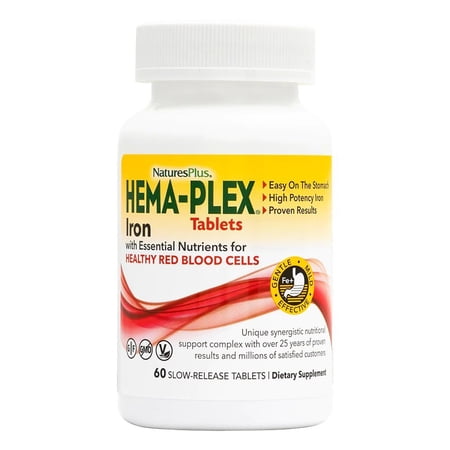
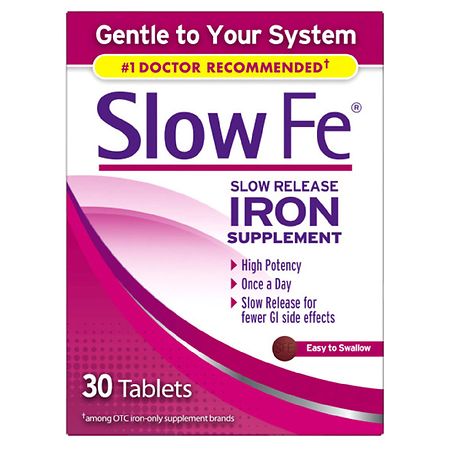
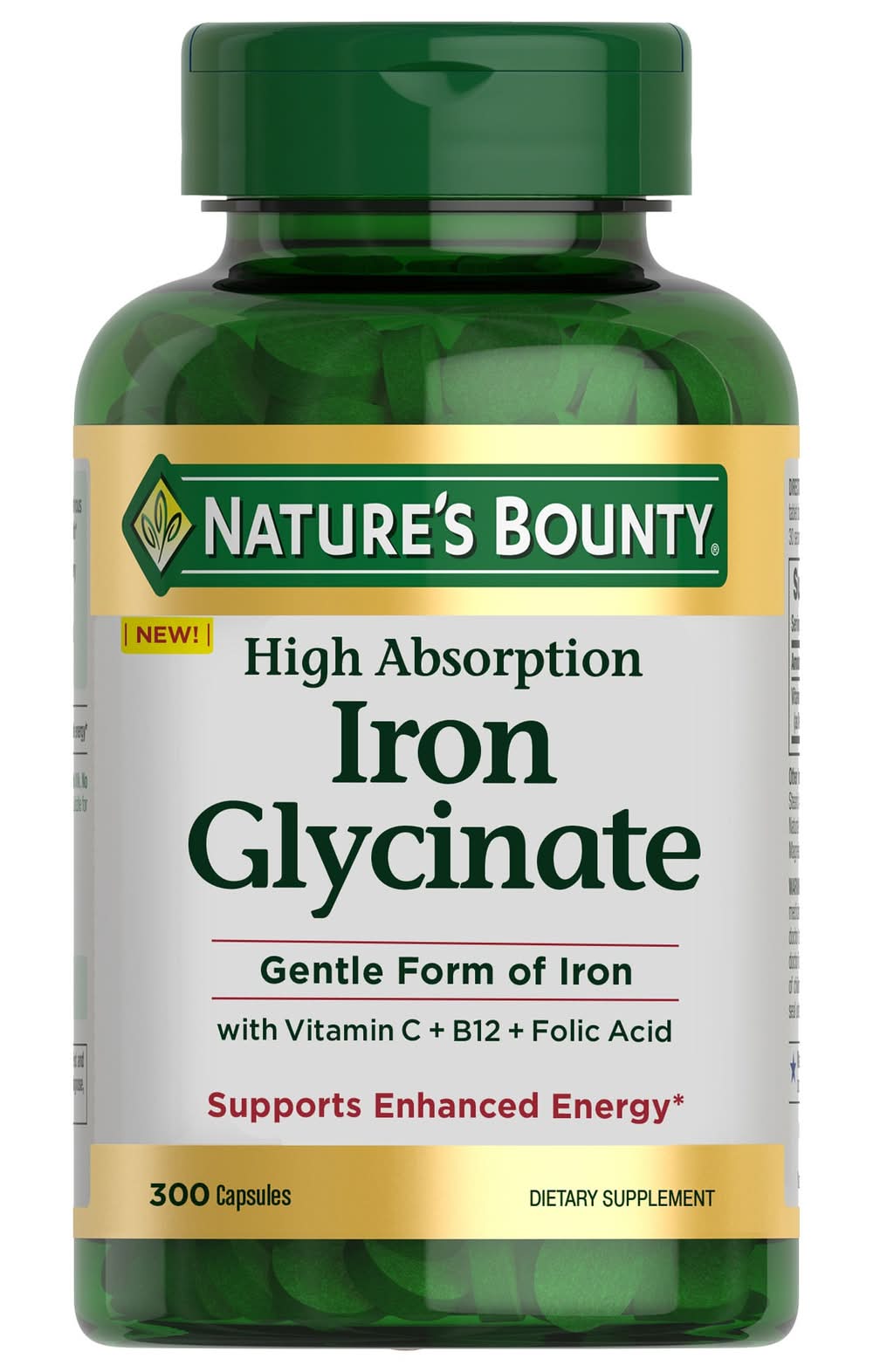
Nature s Plus HEMA-PLEXIron 60 Slow-Release Tablet
Analysis updated August 2026 · How Scout scores
At a glance
Summary
This iron supplement contains beneficial ingredients such as calcium carbonate, manganese sulfate, and vitamin B6, which support bone health and metabolism. However, the presence of sucrose as a sweetener is a concern due to its potential impact on calorie intake and dental health. The formulation includes natural flavors and colors, which are generally acceptable, but the inclusion of sucrose slightly detracts from the overall healthiness of the product.
Key ingredients 15
Manganese SulfateGood
Manganese sulfate provides manganese, a trace mineral important for bone formation and metabolism. It is often included in supplements to support enzymatic functions. It is generally well-tolerated in recommended doses.
Risks
Excessive manganese intake can lead to neurological issues.
Benefits
Supports bone health and enzymatic processes.
Dicalcium PhosphateGood
Dicalcium phosphate is a source of calcium and phosphorus, both essential for bone health. It is commonly used in supplements to support skeletal health. It is well-absorbed and contributes to mineral intake.
Risks
Excessive intake may lead to imbalances in calcium and phosphorus levels.
Benefits
Supports bone health and provides essential minerals.
NiacinGood
Niacin, also known as vitamin B3, is essential for energy metabolism and DNA repair. It is included in supplements to support cardiovascular health and reduce cholesterol levels. It is generally well-tolerated in recommended doses.
Risks
High doses can cause flushing and liver damage.
Benefits
Supports energy metabolism and cardiovascular health.
Vitamin B6Good
Vitamin B6 is crucial for protein metabolism and cognitive development. It is included in supplements to support brain health and immune function. It is generally safe in recommended amounts.
Risks
Excessive intake can lead to nerve damage.
Benefits
Supports brain health and immune function.
Vegetable CelluloseNeutral
Vegetable cellulose is a common binder and filler in supplements. It is derived from plant sources and is generally considered safe. It does not provide nutritional benefits but aids in tablet formation.
See more about Vegetable Cellulose →Microcrystalline CelluloseNeutral
Microcrystalline cellulose is used as a texturizer and anti-caking agent. It is derived from wood pulp and is considered safe for consumption. It does not contribute nutritional value but helps maintain product consistency.
See more about Microcrystalline Cellulose →Calcium CarbonateNeutral
Standard formulation ingredient — neither beneficial nor harmful at typical use.
Risks
Excessive intake may lead to hypercalcemia, which can cause kidney stones and impaired absorption of other minerals.
Benefits
Supports bone health and may help prevent osteoporosis.
Magnesium StearateNeutral
Magnesium stearate is used as a lubricant in supplement manufacturing. It is derived from stearic acid and magnesium and is considered safe in small amounts. It does not provide nutritional benefits but aids in the manufacturing process.
See more about Magnesium Stearate →SilicaNeutral
Silica is used as an anti-caking agent in supplements. It is naturally occurring and considered safe for consumption. It does not contribute nutritional value but helps maintain product stability.
See more about Silica →Stearic AcidNeutral
Stearic acid is a saturated fatty acid used as a lubricant in supplements. It is considered safe and does not raise cholesterol levels. It aids in the manufacturing process without providing nutritional benefits.
See more about Stearic Acid →Natural ColorNeutral
Natural color, such as beet juice, is used to enhance the appearance of supplements. It is derived from natural sources and is considered safe. It does not provide nutritional benefits but improves product appeal.
Benefits
Enhances visual appeal without synthetic additives.
Organic SteviaNeutral
Organic stevia is a natural sweetener derived from the stevia plant. It is calorie-free and considered safe for consumption. It provides sweetness without affecting blood sugar levels.
Benefits
Provides sweetness without calories or blood sugar impact.
SucroseBad
Sucrose is a simple sugar used as a sweetener. It can contribute to increased calorie intake and potential weight gain. It is often criticized for its role in promoting dental cavities and metabolic issues.
Risks
High consumption can lead to obesity, diabetes, and dental problems.
Benefits
Provides quick energy but lacks nutritional benefits.
FructoseBad
Processed additive flagged under Scout's ingredient doctrine.
Risks
High intake may contribute to insulin resistance and liver fat accumulation.
Benefits
Provides energy but should be consumed in moderation.
Natural FlavorBad
Umbrella term that can hide dozens of undisclosed synthetic constituents.
Risks
Potential allergens may be present, and lack of transparency can be a concern.
Benefits
Enhances taste without adding calories.
Processing
Processed Foods
Get the full breakdown in the Scout appTake Scout shopping
Scan any product to see lab results, healthy alternatives, and your personalized analysis.
Download on theApp Store GET IT ONGoogle PlayAmazon pricing & content
Amazon price as of . Product prices and availability are accurate as of the date/time indicated and are subject to change. Any price and availability information displayed on Amazon.com at the time of purchase will apply to the purchase of this product.
CERTAIN CONTENT THAT APPEARS ON THIS SITE COMES FROM AMAZON. THIS CONTENT IS PROVIDED “AS IS” AND IS SUBJECT TO CHANGE OR REMOVAL AT ANY TIME.