
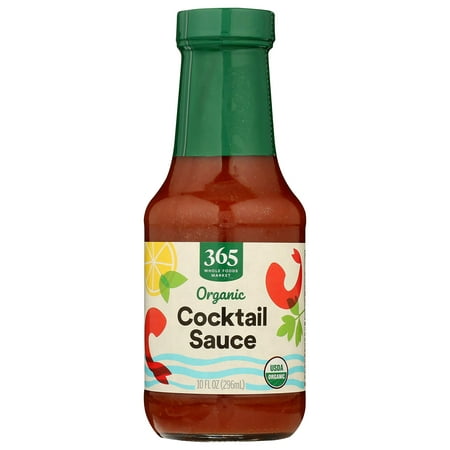


365 EVERYDAY VALUE, ORGANIC COCKTAIL SAUCE
Analysis updated September 2026 · How Scout scores
At a glance
Summary
This organic cocktail sauce contains beneficial ingredients like organic tomato puree, but it is also high in added sugars and includes organic soybean oil, which is a seed oil that can promote inflammation. The product is ultra-processed, which further impacts its health score, despite having a relatively clean ingredient list with only a few additives.
Key ingredients 9
Organic tomato pureeGood
Organic tomato puree is a source of vitamins and antioxidants, particularly lycopene, which may support heart health. The organic certification indicates fewer pesticides and synthetic fertilizers used in production. It is a minimally processed ingredient, retaining most of its natural nutrients.
Benefits
Rich in vitamins A and C, and lycopene, which may help reduce the risk of chronic diseases.
Organic horseradishNeutral
Organic horseradish provides a pungent flavor and contains compounds that may have antimicrobial properties. The organic label suggests reduced exposure to synthetic chemicals. It is typically consumed in small amounts, limiting its nutritional impact.
Risks
May cause irritation to the digestive tract if consumed in large quantities.
Benefits
Contains glucosinolates, which may have antioxidant properties.
Organic white vinegarNeutral
Organic white vinegar is used as a preservative and flavor enhancer. The organic certification implies fewer chemical residues. It is a common culinary ingredient with minimal nutritional value.
Risks
Excessive consumption may lead to digestive discomfort.
Benefits
Acts as a natural preservative and can enhance the flavor of foods.
SaltNeutral
Salt is a common seasoning that enhances flavor but provides no additional nutrients. It is essential for bodily functions but should be consumed in moderation. Excessive intake can lead to health issues such as hypertension.
Risks
High sodium intake is associated with increased blood pressure and cardiovascular risk.
Benefits
Essential for maintaining fluid balance and nerve function.
Organic worcestershire sauceNeutral
Organic worcestershire sauce adds complex flavors and is made from a blend of organic ingredients. The organic certification suggests fewer synthetic additives. It is used in small quantities, limiting its nutritional impact.
Risks
Contains sugar and salt, which can contribute to health issues if consumed in excess.
Benefits
Enhances the flavor profile of dishes with minimal caloric impact.
Organic onion powderNeutral
Organic onion powder provides flavor and some nutrients like vitamin C and antioxidants. The organic label indicates reduced pesticide use. It is a dehydrated form of onion, retaining some nutritional properties.
Benefits
Contains antioxidants and may support immune health.
Organic cayenne peppersNeutral
Organic cayenne peppers add heat and contain capsaicin, which may have metabolic benefits. The organic certification implies fewer chemical residues. They are used in small amounts, limiting their overall nutritional contribution.
Risks
May cause digestive irritation in sensitive individuals.
Benefits
Capsaicin may boost metabolism and support weight management.
Organic cane sugarBad
Organic cane sugar is a refined sugar that contributes to calorie intake without providing essential nutrients. Despite being organic, it still poses the same health risks as conventional sugar. Excessive consumption can lead to health issues such as obesity and diabetes.
Risks
High intake may increase the risk of obesity, type 2 diabetes, and dental cavities.
Benefits
Provides quick energy but lacks significant nutritional benefits.
Organic soybean oilVery Bad
Organic soybean oil is a seed oil high in omega-6 fatty acids, which can promote inflammation if consumed in excess. Despite being organic, it is still highly processed and not ideal for health. It is often used as a cheap cooking oil alternative.
Risks
High omega-6 content may promote inflammation when consumed in excess.
Processing
Ultra-Processed Foods
Get the full breakdown in the Scout appTake Scout shopping
Scan any product to see lab results, healthy alternatives, and your personalized analysis.
Download on theApp Store GET IT ONGoogle Play