


At a glance
Summary
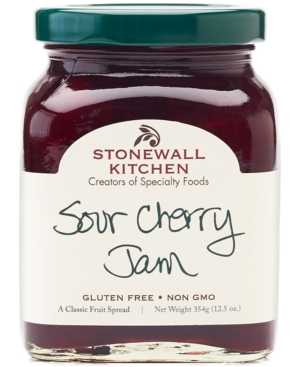
This sour cherry jam is ultra-processed, which limits its potential health score. While it contains beneficial cherries, the high sugar content from pure cane sugar significantly impacts its nutritional profile. The presence of fruit pectin and acids as additives is typical for jams, but the overall processing level and sugar concentration are key factors in its moderate rating.
Key ingredients 6
CherriesGood
Cherries are a natural source of vitamins, antioxidants, and dietary fiber. They provide health benefits such as reducing inflammation and supporting heart health. The whole fruit form retains its nutritional profile.
Benefits
Rich in antioxidants and vitamins that support overall health and may reduce inflammation.
Fruit pectinNeutral
Fruit pectin is a natural gelling agent derived from fruits, commonly used in jams and jellies. It is a soluble fiber that can aid in digestion and improve gut health. The extraction process involves minimal processing, retaining its natural properties.
Benefits
May aid in digestion and improve gut health due to its soluble fiber content.
Lemon juice concentrateNeutral
Lemon juice concentrate is used for its acidic properties and flavor enhancement. It provides vitamin C and antioxidants, although in a concentrated form, some nutrients may be reduced. The concentration process involves removing water, which can affect the natural balance of nutrients.
Benefits
Provides vitamin C and antioxidants, although in reduced amounts compared to fresh lemon juice.
Citric acidNeutral
Citric acid is a natural preservative and flavor enhancer commonly used in food products. It is generally recognized as safe and helps maintain the stability and freshness of the product. It is produced through fermentation, which is a natural process.
Benefits
Helps preserve the product and enhance flavor without significant health concerns.
Malic acidNeutral
Malic acid is a naturally occurring acid found in fruits, used to enhance flavor and preserve food. It is safe for consumption and adds a tart taste to products. The acid is typically produced through natural fermentation processes.
Benefits
Enhances flavor and acts as a preservative without significant health concerns.
Pure cane sugarBad
Pure cane sugar is a refined sugar that contributes to high caloric intake without providing essential nutrients. Excessive consumption can lead to health issues such as obesity and diabetes. It is processed to remove impurities, resulting in a high glycemic index.
Risks
High consumption can lead to obesity, diabetes, and other metabolic disorders.
Processing
Ultra-Processed Foods
Get the full breakdown in the Scout appTake Scout shopping
Scan any product to see lab results, healthy alternatives, and your personalized analysis.
Download on theApp Store GET IT ONGoogle Play