

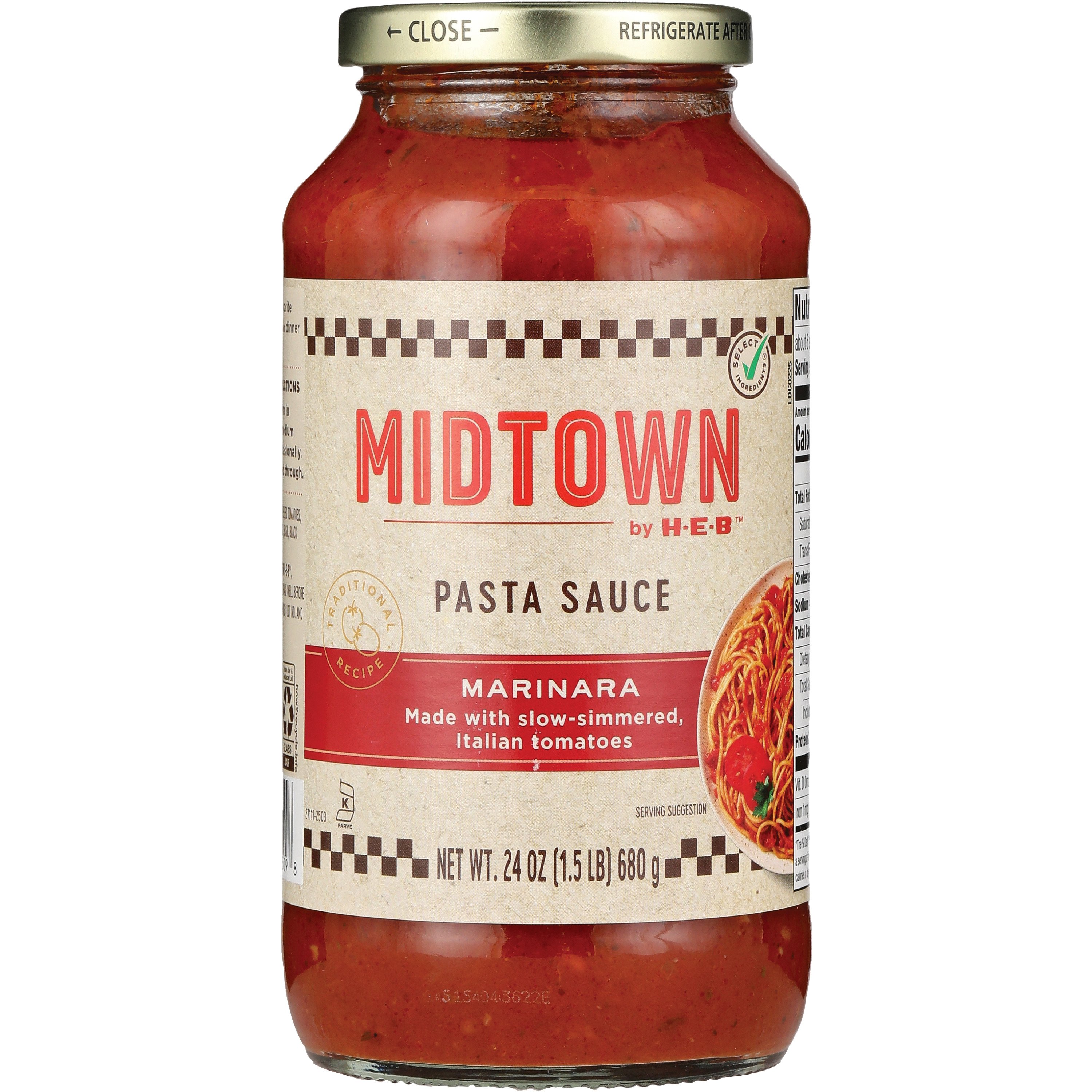
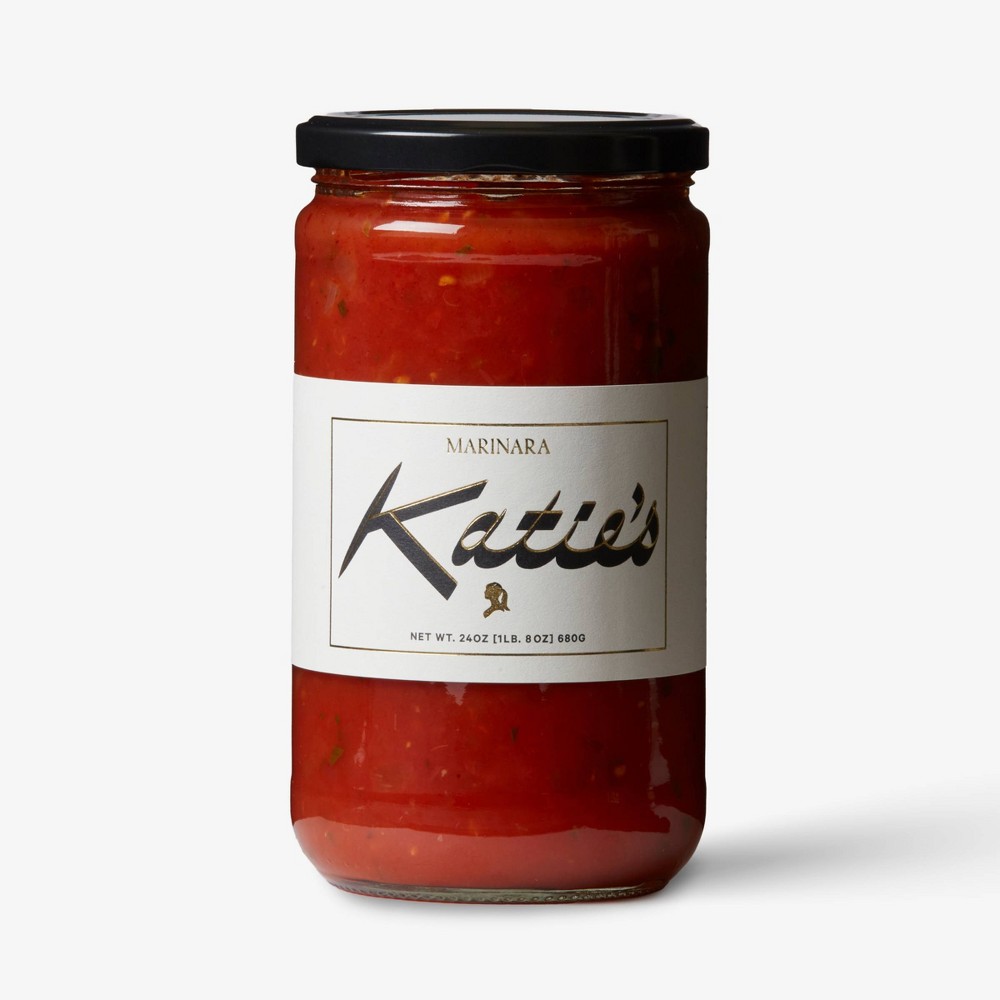

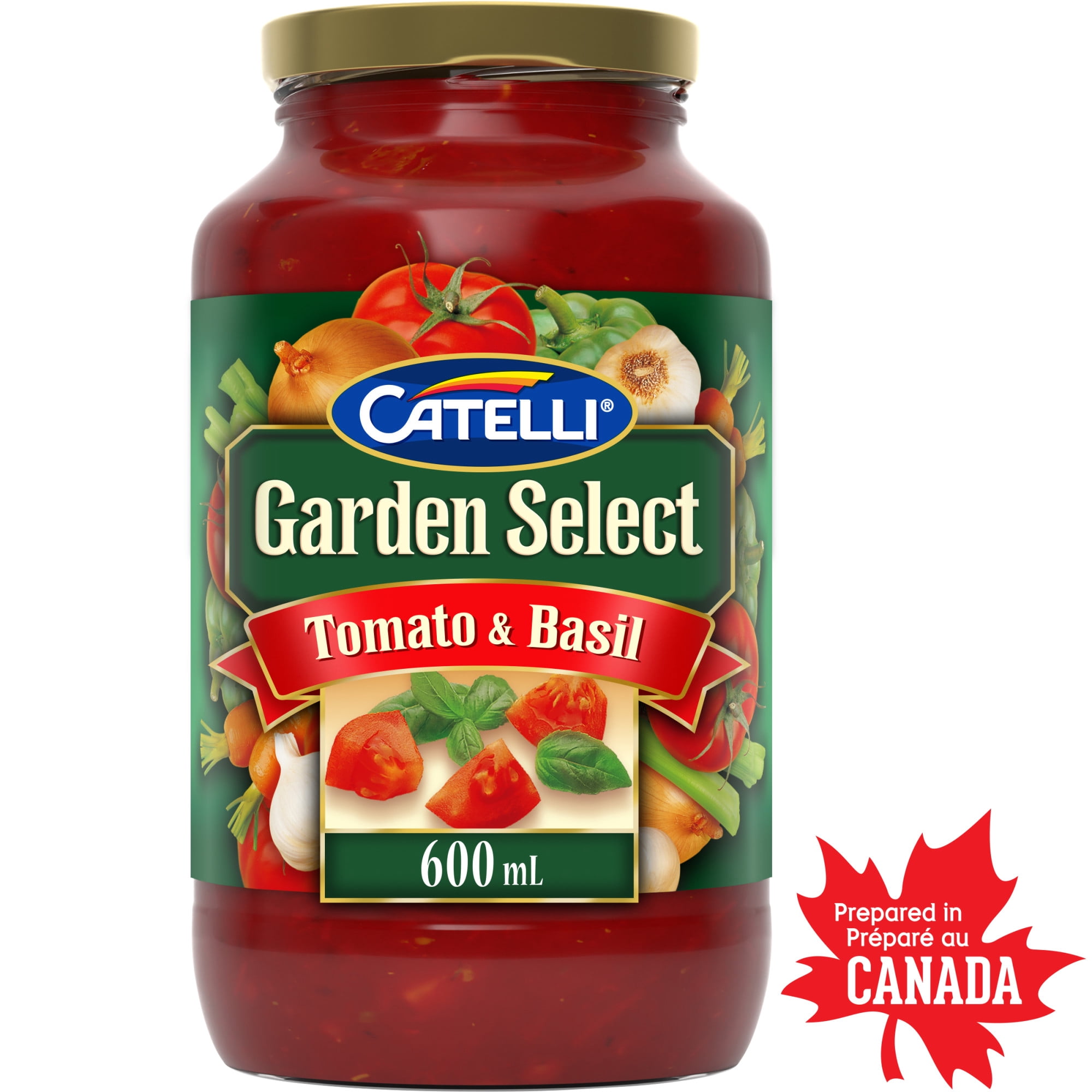
Signature Select MARINARA PASTA SAUCE
Analysis updated August 2026 · How Scout scores
At a glance
Summary
This marinara sauce contains beneficial ingredients like diced tomatoes, extra virgin olive oil, and mushrooms, which contribute to its nutritional value. However, the presence of soybean oil, a highly processed seed oil, and added sugar detracts from its healthiness. The sauce is moderately processed, which limits its score despite the inclusion of some high-quality ingredients.
Key ingredients 15
Extra virgin olive oilVery Good
High-quality monounsaturated fat with anti-inflammatory properties. Contains antioxidants that support heart health. Cold-pressed extraction preserves beneficial compounds.
Benefits
Rich in monounsaturated fats that support heart health and provide anti-inflammatory properties. Contains antioxidants like vitamin E and polyphenols that may reduce oxidative stress.
Diced tomatoesGood
Diced tomatoes are a rich source of vitamins A and C, and lycopene, an antioxidant linked to reduced risk of heart disease. They are minimally processed, retaining most of their nutritional value. The natural sugars in tomatoes contribute to the sauce's flavor without excessive added sugars.
Benefits
Rich in antioxidants and vitamins that support overall health and may reduce inflammation.
Tomato pasteGood
Tomato paste is concentrated tomatoes, providing a rich source of lycopene and other antioxidants. It enhances the flavor and nutritional profile of the sauce. The concentration process retains most of the beneficial compounds found in fresh tomatoes.
Benefits
Provides a concentrated source of antioxidants and enhances the sauce's flavor.
Dehydrated onionsGood
Dehydrated onions add flavor and are a source of vitamins and antioxidants. The dehydration process preserves the nutritional content while extending shelf life. Onions have been linked to various health benefits, including improved heart health.
Benefits
Contributes flavor and antioxidants, supporting heart health and immune function.
SpicesGood
Spices add flavor and may provide various health benefits due to their antioxidant properties. They are minimally processed and enhance the nutritional profile of the sauce. The specific spices used can contribute to anti-inflammatory and digestive health benefits.
Benefits
Enhances flavor and provides antioxidants that support overall health.
CeleryGood
Celery is a low-calorie vegetable that adds flavor and nutrients, including vitamins A, C, and K. It is minimally processed and retains its nutritional benefits. Celery is known for its potential anti-inflammatory and digestive health benefits.
Benefits
Provides vitamins and antioxidants that support overall health and may aid digestion.
Romano cheeseGood
Romano cheese adds flavor and is a source of protein and calcium. Made from pasteurized milk, it provides essential nutrients and enhances the sauce's richness. Cheese can contribute to bone health and provide a savory taste.
Risks
May pose a risk for those with lactose intolerance or dairy allergies.
Benefits
Rich in protein and calcium, supporting bone health and adding flavor.
MushroomsGood
Mushrooms add umami flavor and are a source of vitamins and minerals, including vitamin D and selenium. They are minimally processed and retain their nutritional benefits. Mushrooms have been linked to immune support and anti-inflammatory effects.
Benefits
Provides vitamins and minerals that support immune function and overall health.
Dehydrated garlicGood
Dehydrated garlic adds flavor and is known for its potential health benefits, including antimicrobial and cardiovascular support. The dehydration process preserves its beneficial compounds. Garlic is a staple in many cuisines for its health-promoting properties.
Benefits
Provides flavor and potential health benefits, including antimicrobial and cardiovascular support.
WaterNeutral
Water is used as a solvent and to adjust the consistency of the sauce. It is a neutral ingredient with no direct nutritional impact. Its presence ensures the sauce is not overly thick.
See more about Water →Red wineNeutral
Red wine is used for flavor enhancement and may contribute small amounts of antioxidants. The alcohol content is typically cooked off during preparation. Its use in moderation is generally considered safe in cooking.
Benefits
May provide small amounts of antioxidants and enhances the sauce's flavor.
SaltNeutral
Salt is used to enhance flavor and preserve the sauce. It is a necessary component for taste but should be consumed in moderation due to potential health risks associated with high sodium intake. The salt used is likely refined, lacking additional trace minerals.
Risks
Excessive consumption may lead to high blood pressure and other cardiovascular issues.
Benefits
Enhances flavor and acts as a preservative.
VinegarNeutral
Vinegar is used for flavor enhancement and preservation. It is a natural ingredient with minimal processing. While it adds acidity, it does not significantly impact the nutritional profile of the sauce.
See more about Vinegar →SugarBad
Refined sugar is added to balance acidity and enhance flavor but provides no nutritional benefits. Excessive sugar intake is linked to various health issues, including obesity and diabetes. Its presence in processed foods is often criticized for contributing to unhealthy diets.
Risks
High consumption can lead to obesity, diabetes, and other metabolic disorders.
Soybean oilVery Bad
Soybean oil is a seed oil high in omega-6 fatty acids, which may promote inflammation when consumed in excess. It is heavily processed and often genetically modified. Its use is discouraged due to potential negative health impacts.
Risks
High omega-6 content may promote inflammation and is linked to various chronic diseases.
Processing
Processed Foods
Get the full breakdown in the Scout appTake Scout shopping
Scan any product to see lab results, healthy alternatives, and your personalized analysis.
Download on theApp Store GET IT ONGoogle Play