



At a glance
Summary
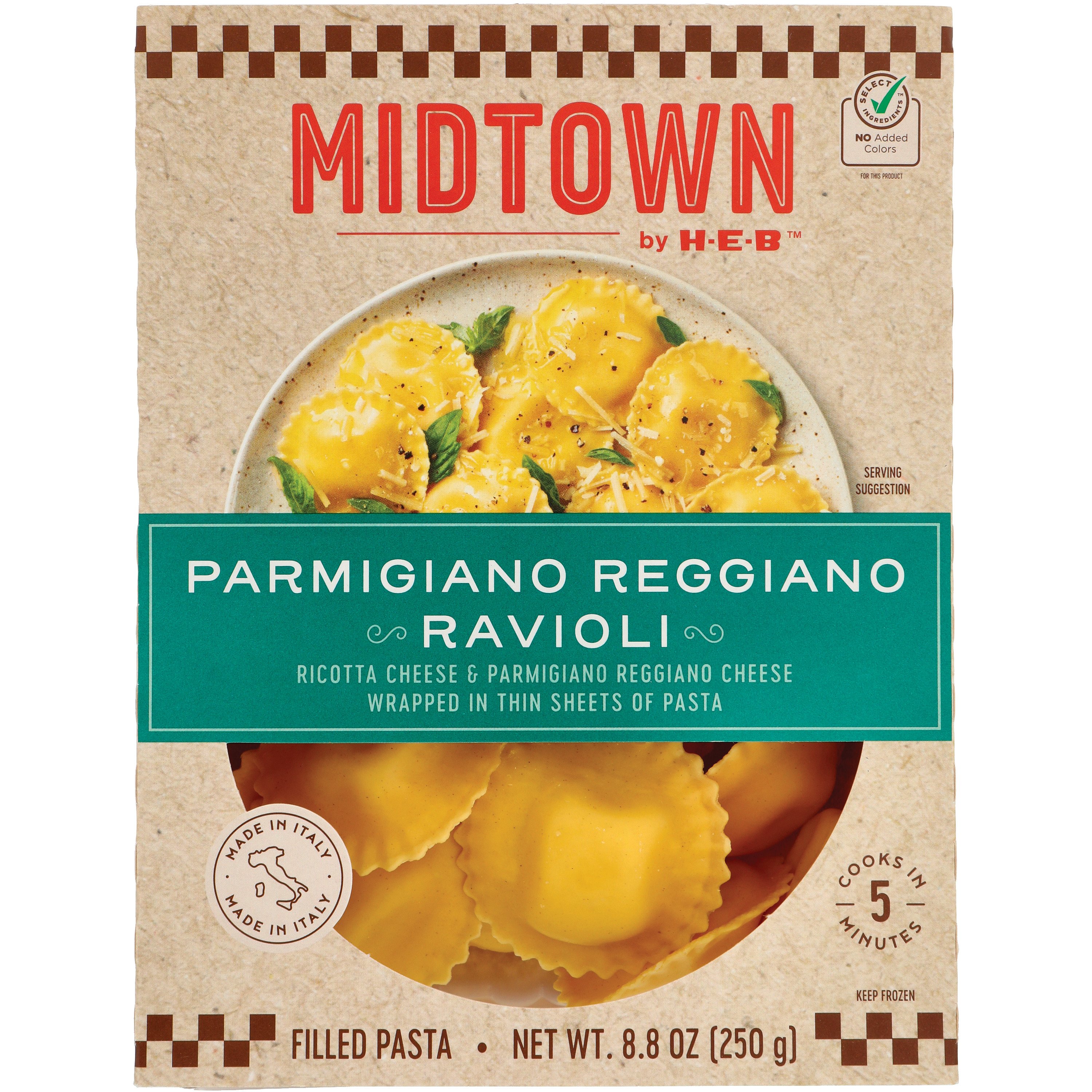
This product features high-quality ingredients such as Parmigiano Reggiano and ricotta cheese, which are minimally processed and provide beneficial nutrients like protein and calcium. The use of cultured whey and milk adds probiotic benefits, enhancing digestive health. However, the product is processed, which limits its score despite the clean ingredient list.
Key ingredients 9
CreamGood
Cream is a dairy product that provides a rich source of fats and fat-soluble vitamins. It is minimally processed and can enhance the flavor and texture of foods. The quality of cream can vary based on the source of the milk and processing methods.
Risks
High in saturated fats, which may contribute to cardiovascular issues if consumed in excess.
Benefits
Provides essential fat-soluble vitamins and contributes to a creamy texture and rich flavor in culinary applications.
Ricotta CheeseGood
Ricotta cheese is a fresh cheese made from whey, offering a good source of protein and calcium. It is less processed compared to aged cheeses and has a mild flavor. The quality depends on the milk source and production methods.
Risks
Contains lactose, which may cause digestive issues for lactose-intolerant individuals.
Benefits
Rich in protein and calcium, supporting bone health and muscle maintenance.
Cultured WheyGood
Cultured whey is a byproduct of cheese production that is fermented to enhance its probiotic content. It is a source of protein and beneficial bacteria. The fermentation process can improve digestive health.
Risks
May cause digestive discomfort in individuals with lactose intolerance.
Benefits
Contains probiotics that support gut health and protein that aids in muscle repair.
Parmigiano Reggiano PDO CheeseGood
Parmigiano Reggiano is a high-quality, aged cheese known for its rich flavor and nutritional profile. It is made from raw cow's milk and aged for at least 12 months, enhancing its flavor and digestibility. The PDO designation ensures strict production standards and quality.
Risks
Contains lactose and is high in sodium, which may be a concern for some individuals.
Benefits
Rich in protein, calcium, and other nutrients, supporting bone health and providing a savory flavor.
Cultured MilkGood
Cultured milk is fermented with beneficial bacteria, enhancing its probiotic content. It is a source of protein and calcium, supporting digestive and bone health. The fermentation process can improve lactose digestibility.
Risks
May still contain lactose, which can be problematic for those with lactose intolerance.
Benefits
Provides probiotics that support gut health and nutrients essential for bone strength.
SaltNeutral
Salt is a common seasoning used to enhance flavor in foods. It is a natural mineral that is minimally processed. Excessive consumption can lead to health issues such as hypertension.
Risks
High sodium intake is associated with increased risk of hypertension and cardiovascular diseases.
Benefits
Essential for maintaining fluid balance and nerve function in the body.
Citric AcidNeutral
Citric acid is a natural preservative and flavor enhancer found in citrus fruits. It is used to add acidity and preserve freshness in foods. It is generally recognized as safe when used in moderation.
Risks
Excessive consumption may cause dental erosion or gastrointestinal discomfort.
Benefits
Acts as a natural preservative and can enhance the flavor profile of foods.
Lactic AcidNeutral
Lactic acid is a naturally occurring acid used to add tartness and preserve foods. It is produced through fermentation and is generally safe for consumption. It can also act as a pH regulator in food products.
Risks
Generally safe, but excessive intake may cause digestive discomfort.
Benefits
Enhances flavor and acts as a preservative, supporting food safety.
EnzymesNeutral
Enzymes are used in cheese production to aid in the coagulation of milk. They are naturally occurring proteins that facilitate biochemical reactions. Their use is essential in cheese making and does not pose significant health risks.
Benefits
Essential for the cheese-making process, contributing to texture and flavor development.
Processing
Processed Foods
Get the full breakdown in the Scout appTake Scout shopping
Scan any product to see lab results, healthy alternatives, and your personalized analysis.
Download on theApp Store GET IT ONGoogle Play