


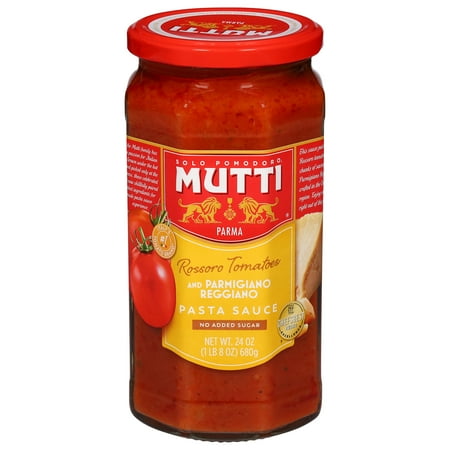
TOMATO SAUCE WITH ARUGULA AND PARMIGIANA REGGIANO CHEESE, RUCOLA & PARMIGIANO REGGIANO
Analysis updated April 2026 · How Scout scores
At a glance
Summary
This tomato sauce contains beneficial ingredients like chopped tomatoes, arugula, and garlic, which contribute vitamins and antioxidants. However, the presence of sunflower oil, a seed oil high in omega-6 fatty acids, and added sugar, which offers no nutritional benefits, detracts from its healthiness. The product is moderately processed, which limits its score despite the inclusion of some nutritious components.
Key ingredients 11
Chopped tomatoesGood
Chopped tomatoes are a rich source of vitamins A and C, and lycopene, an antioxidant linked to reduced risk of heart disease. They are minimally processed, retaining most of their natural nutrients. The high water content also aids in hydration and digestion.
Benefits
Rich in antioxidants and vitamins that support overall health and may reduce inflammation.
Double concentrated tomato pasteGood
Double concentrated tomato paste provides a dense source of lycopene and other antioxidants. It is made by reducing tomatoes, which intensifies flavor and nutrient content. This ingredient enhances the sauce's nutritional profile with minimal processing.
Benefits
Provides concentrated antioxidants and enhances flavor without added sugars or preservatives.
ArugulaGood
Arugula is a leafy green rich in vitamins K and C, and provides a peppery flavor to dishes. It is minimally processed and adds dietary fiber to the sauce. Its nutrient density supports bone health and immune function.
Benefits
High in vitamins and antioxidants, supporting bone health and immune function.
GarlicGood
Garlic is a flavorful herb known for its potential health benefits, including antimicrobial properties and cardiovascular support. It is minimally processed and adds depth to the sauce's flavor profile. Its active compounds, like allicin, may support immune function.
Benefits
Contains compounds that may support heart health and immune function.
Black pepperGood
Black pepper is a spice that enhances flavor and may aid digestion. It contains piperine, which can improve nutrient absorption and has antioxidant properties. Its inclusion in the sauce adds both flavor and potential health benefits.
Benefits
May improve digestion and nutrient absorption, and provides antioxidant benefits.
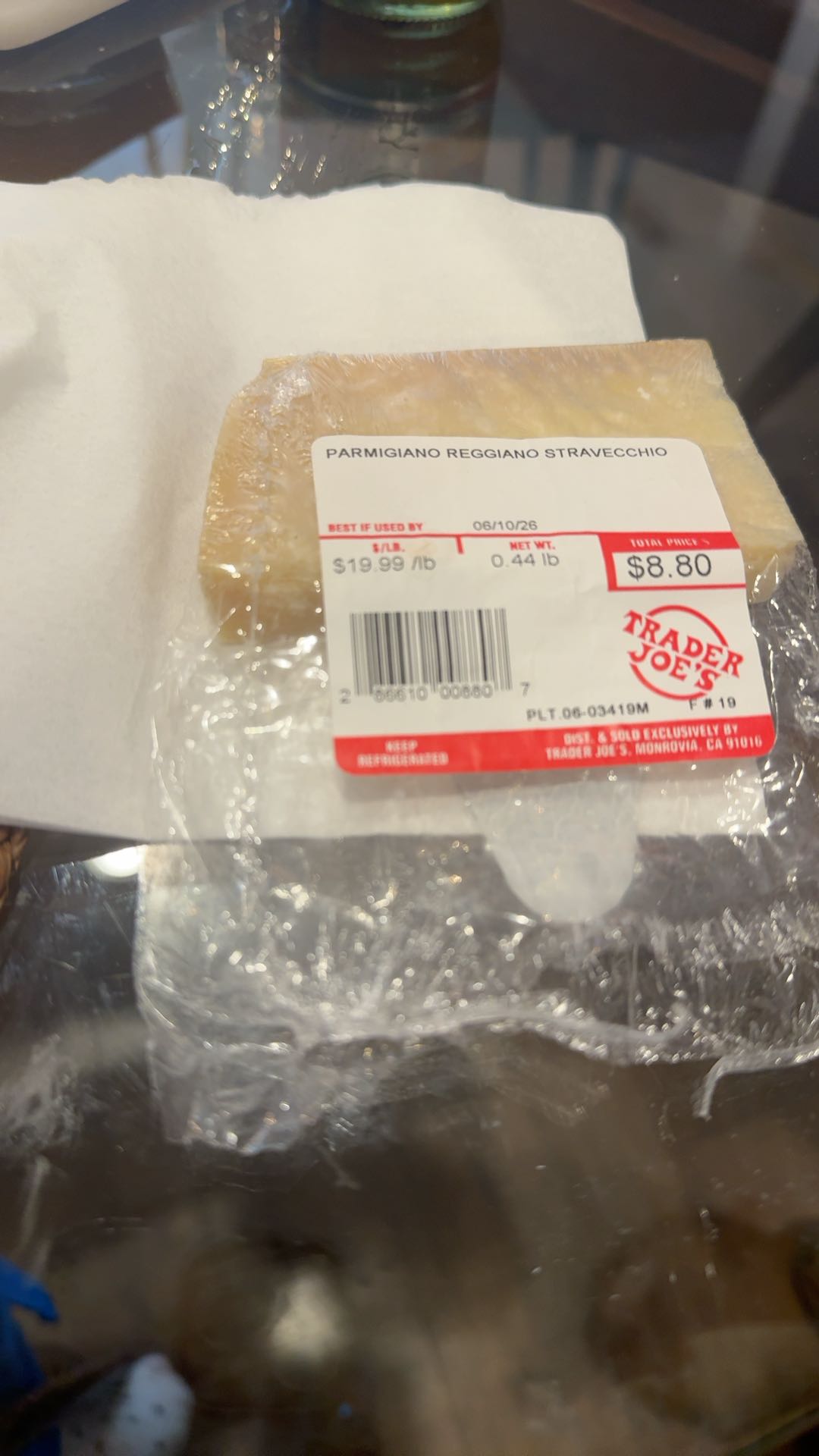
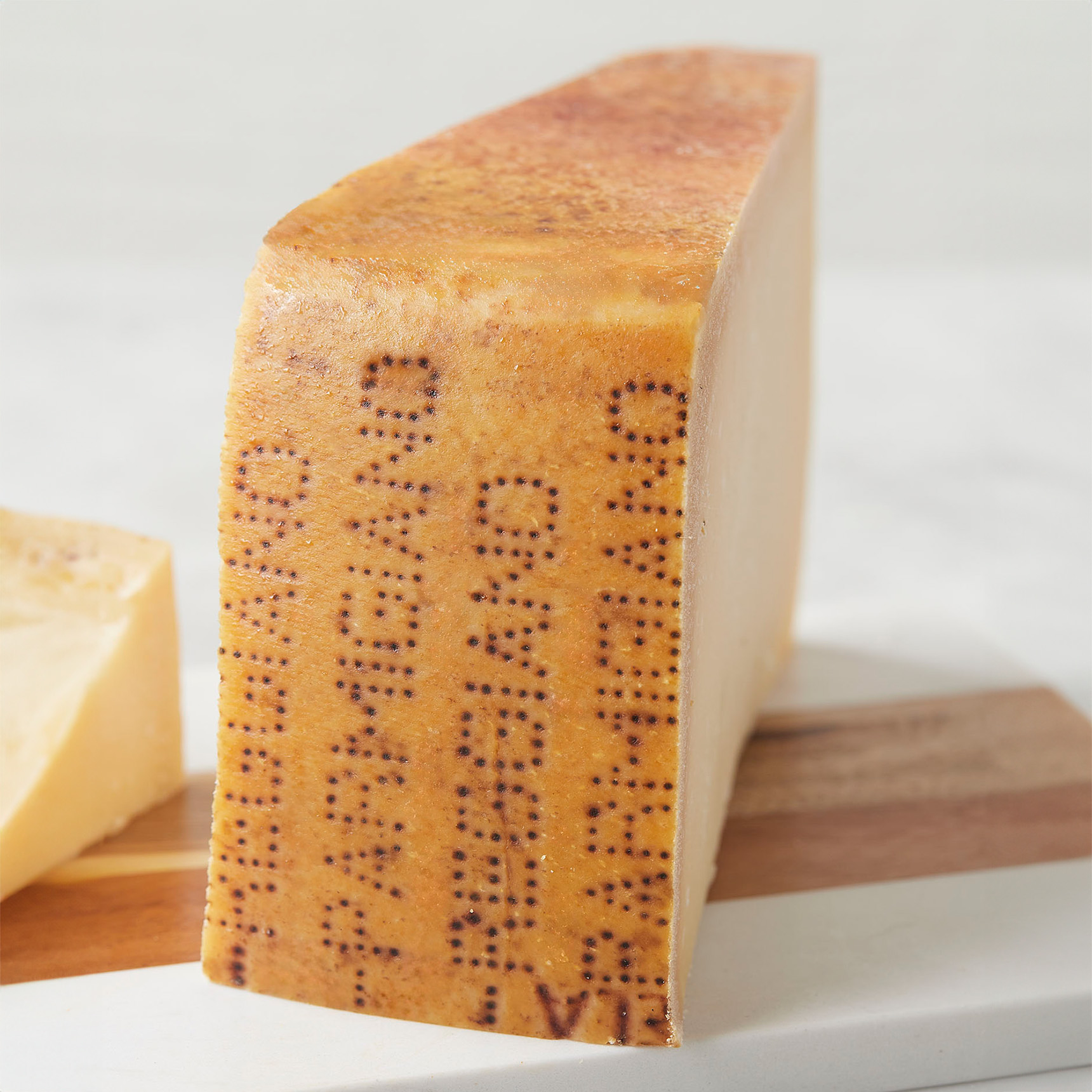
Parmigiano ReggianoNeutral
Parmigiano Reggiano is a hard cheese known for its rich flavor and protein content. It is made from cow's milk and aged for a minimum of 12 months, which enhances its flavor profile. While it provides calcium and protein, it is also high in sodium.
Risks
High sodium content may be a concern for individuals with hypertension.
Benefits
Provides a good source of protein and calcium, supporting bone health.
Table saltNeutral
Table salt is used to enhance flavor and preserve food. It is a common ingredient in processed foods and provides essential sodium for bodily functions. However, excessive intake can lead to health issues such as hypertension.
Risks
Excessive consumption can lead to high blood pressure and cardiovascular issues.
Benefits
Provides essential sodium necessary for fluid balance and nerve function.
CashewNeutral
Cashews are nuts that provide healthy fats, protein, and minerals like magnesium and zinc. They are minimally processed and can enhance the texture and nutritional profile of the sauce. However, they may pose allergy risks for some individuals.
Risks
Potential allergen for individuals with nut allergies.
Benefits
Rich in healthy fats and minerals, supporting heart health and metabolic function.
Citric acidNeutral
Citric acid is used as an acidity regulator and preservative in foods. It is naturally found in citrus fruits and is generally recognized as safe. While it helps maintain freshness, it does not provide significant nutritional benefits.
Benefits
Helps preserve freshness and enhance flavor stability.
SugarBad
Sugar is added to enhance sweetness but offers no nutritional benefits. It is a refined carbohydrate that can contribute to weight gain and metabolic issues when consumed in excess. Its presence in processed foods is often linked to increased calorie intake.
Risks
Excessive consumption can lead to weight gain, insulin resistance, and dental issues.
Sunflower oilVery Bad
Sunflower oil is a seed oil high in omega-6 fatty acids, which can promote inflammation if consumed in excess. It is often extracted using high heat and chemicals, which may degrade its nutritional quality. Compared to healthier oils like olive oil, it offers fewer health benefits.
Risks
High omega-6 content may promote inflammation when consumed in excess.
Processing
Processed Foods
Get the full breakdown in the Scout appTake Scout shopping
Scan any product to see lab results, healthy alternatives, and your personalized analysis.
Download on theApp Store GET IT ONGoogle Play