
Sourdough
Summary
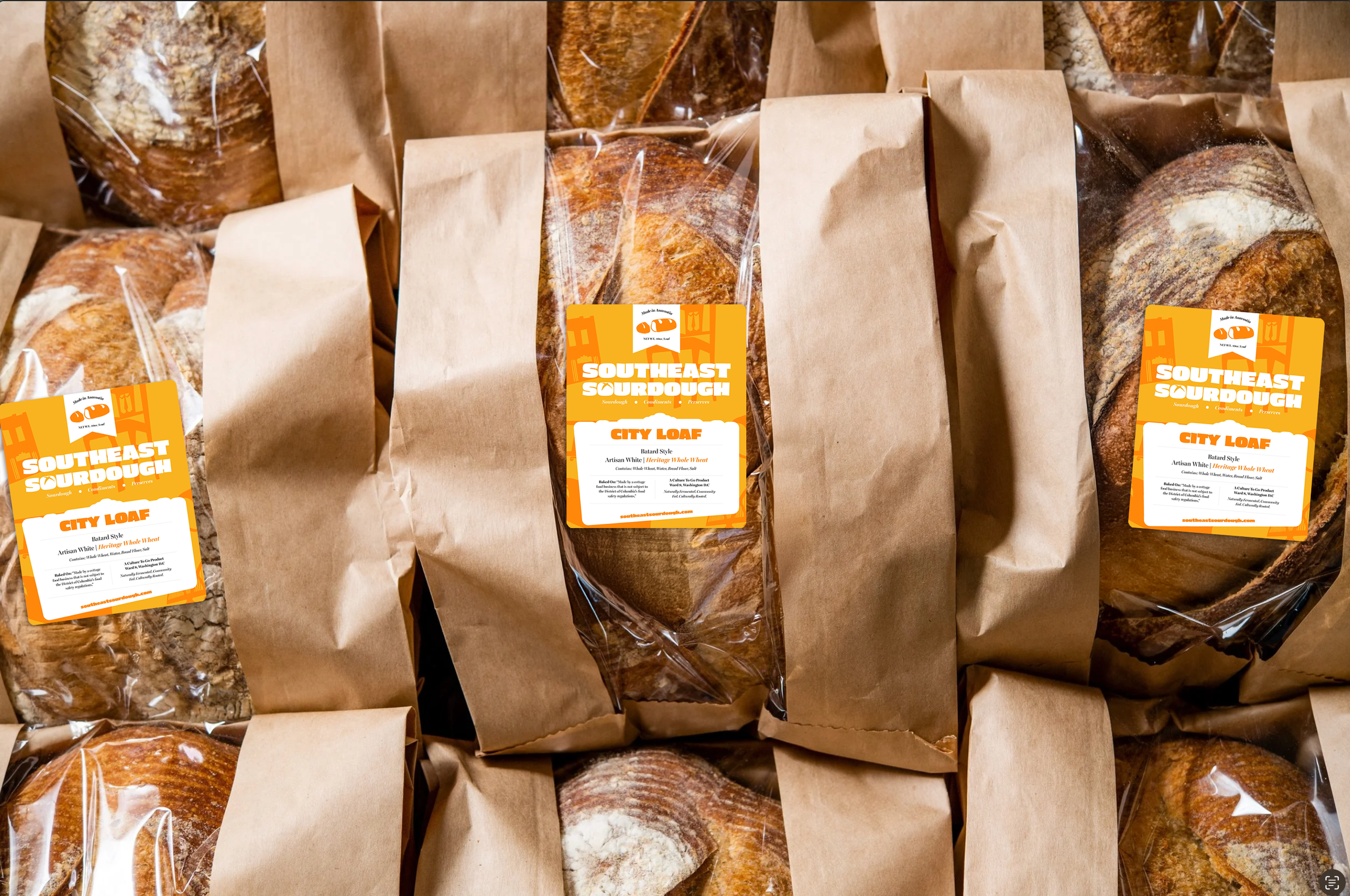
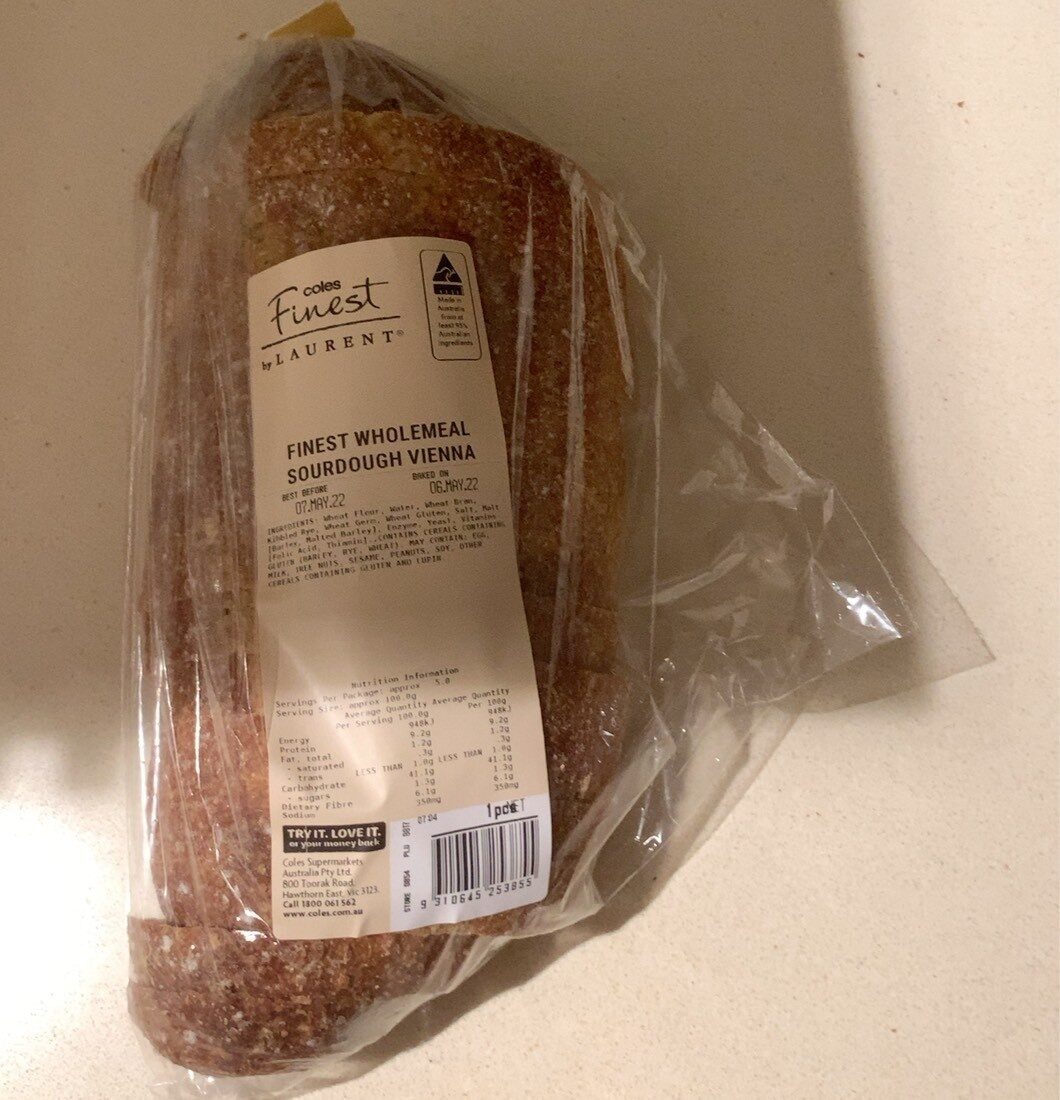
This sourdough product contains beneficial ingredients like active sourdough starter and brown rice flour, which contribute to its nutritional value. However, the presence of enriched bleached flour and added sugar, along with its processed nature, limits its overall healthiness. While it has some redeeming qualities, the processing level and inclusion of refined ingredients prevent it from achieving a higher rating.
At a glance
Key ingredients 21
Enriched Bleached FlourBad
Enriched bleached flour is highly processed and stripped of natural nutrients. It is then fortified with synthetic vitamins and minerals. The bleaching process can involve chemicals that may not be ideal for health.
Risks
Consumption of bleached flour may lead to rapid spikes in blood sugar and lacks the fiber found in whole grains.
Benefits
Provides a source of carbohydrates and some fortified nutrients, but lacks the benefits of whole grains.
Wheat FlourNeutral
Wheat flour is a staple ingredient in many baked goods and provides carbohydrates. It is less processed than enriched bleached flour but still lacks the fiber of whole wheat flour. It is a common allergen for those with gluten sensitivity or celiac disease.
Risks
May cause issues for individuals with gluten intolerance or celiac disease.
Benefits
Provides energy through carbohydrates and some protein.
Malted Barley FlourGood
Malted barley flour is used to enhance flavor and improve the texture of baked goods. It contains enzymes that help break down starches into sugars, aiding in fermentation. It is minimally processed and adds a slight sweetness naturally.
Benefits
Enhances flavor and texture while providing natural sweetness and aiding in fermentation.
NiacinGood
Niacin, also known as vitamin B3, is essential for energy metabolism and maintaining healthy skin and nerves. It is often added to enriched flours to compensate for nutrient loss during processing. It supports overall metabolic health.
Benefits
Supports energy metabolism and is essential for maintaining healthy skin and nerves.
Ferrous SulfateNeutral
Ferrous sulfate is a form of iron used to fortify foods and prevent iron deficiency anemia. It is commonly added to enriched flours. While beneficial for those with iron deficiency, excessive intake can cause gastrointestinal issues.
Risks
Excessive intake may lead to gastrointestinal discomfort and constipation.
Benefits
Helps prevent iron deficiency anemia and supports oxygen transport in the body.
Thiamine MononitrateGood
Thiamine mononitrate is a synthetic form of vitamin B1, essential for energy production and nerve function. It is added to enriched flours to replace nutrients lost during processing. It plays a crucial role in carbohydrate metabolism.
Benefits
Supports energy production and nerve function, essential for carbohydrate metabolism.
RiboflavinGood
Riboflavin, or vitamin B2, is important for energy production and cellular function. It is added to enriched flours to restore nutrients lost during processing. It also acts as an antioxidant, protecting cells from oxidative damage.
Benefits
Supports energy production and acts as an antioxidant, protecting cells from damage.
Folic AcidGood
Folic acid is a synthetic form of folate, a B-vitamin essential for DNA synthesis and cell division. It is added to enriched flours to prevent neural tube defects in developing fetuses. It is crucial for pregnant women and overall cellular health.
Benefits
Essential for DNA synthesis and cell division, crucial for preventing neural tube defects.
WaterNeutral
Water is a fundamental ingredient in baking, providing moisture and aiding in the mixing and fermentation processes. It is unprocessed and essential for dough formation. It has no nutritional value but is crucial for the baking process.
Benefits
Essential for dough formation and fermentation, providing necessary moisture.
Unsalted ButterGood
Unsalted butter is a source of saturated fats and fat-soluble vitamins like A and D. It adds flavor and richness to baked goods. When used in moderation, it can be part of a balanced diet.
Risks
Excessive consumption may contribute to increased cholesterol levels.
Benefits
Provides flavor and richness, and contains fat-soluble vitamins A and D.
Bread FlourNeutral
Bread flour is high in protein, which helps develop gluten and provides structure to baked goods. It is less processed than enriched bleached flour but still lacks the fiber of whole grain flours. It is a common allergen for those with gluten sensitivity or celiac disease.
Risks
May cause issues for individuals with gluten intolerance or celiac disease.
Benefits
Provides structure and texture to baked goods due to its high protein content.
SugarBad
Sugar is a refined carbohydrate that provides sweetness and aids in fermentation. Excessive consumption can lead to health issues such as obesity and dental cavities. It is a common ingredient in baked goods but should be consumed in moderation.
Risks
Excessive intake can contribute to obesity, diabetes, and dental cavities.
Benefits
Provides sweetness and aids in fermentation, enhancing the flavor of baked goods.
Warm WaterNeutral
Warm water is used in baking to activate yeast and aid in dough formation. It is unprocessed and essential for the fermentation process. It has no nutritional value but is crucial for yeast activation.
Benefits
Essential for yeast activation and dough formation, providing necessary moisture.
Active Sourdough StarterVery Good
Active sourdough starter is a natural leavening agent that enhances flavor and digestibility. It contains beneficial bacteria and yeast that aid in fermentation. It is minimally processed and contributes to the unique taste of sourdough bread.
Benefits
Enhances flavor and digestibility, containing beneficial bacteria and yeast for fermentation.
Caputo GF Flour BlendNeutral
Caputo GF flour blend is a gluten-free alternative used to provide structure in baked goods. It is a blend of various flours and starches to mimic the properties of wheat flour. It is suitable for those with gluten intolerance or celiac disease.
Benefits
Provides a gluten-free alternative for baking, suitable for those with gluten intolerance.
Brown Rice FlourGood
Brown rice flour is a whole grain flour that provides fiber and nutrients. It is less processed than white rice flour and retains more of the grain's natural nutrients. It is a good alternative for those avoiding gluten.
Benefits
Provides fiber and nutrients, and is a good gluten-free alternative.
Tapioca StarchNeutral
Tapioca starch is used as a thickening agent and to improve texture in gluten-free baking. It is derived from the cassava root and is highly processed. It provides no significant nutritional benefits but is useful in gluten-free recipes.
Benefits
Improves texture in gluten-free baking, providing a useful alternative to wheat-based thickeners.
Rice FlourNeutral
Rice flour is a gluten-free flour used to provide structure in baked goods. It is less processed than some other flours but lacks the fiber of whole grain flours. It is suitable for those with gluten intolerance or celiac disease.
Benefits
Provides a gluten-free alternative for baking, suitable for those with gluten intolerance.
Sorghum FlourGood
Sorghum flour is a whole grain flour that provides fiber, protein, and antioxidants. It is less processed and retains more nutrients compared to refined flours. It is a good gluten-free alternative with a mild flavor.
Benefits
Provides fiber, protein, and antioxidants, and is a good gluten-free alternative.
Potato StarchNeutral
Potato starch is used as a thickening agent and to improve texture in gluten-free baking. It is derived from potatoes and is highly processed. It provides no significant nutritional benefits but is useful in gluten-free recipes.
Benefits
Improves texture in gluten-free baking, providing a useful alternative to wheat-based thickeners.
PsylliumVery Good
Psyllium is a form of soluble fiber that aids in digestion and helps maintain bowel regularity. It is minimally processed and often used in gluten-free baking to improve texture and moisture retention. It supports digestive health and can help lower cholesterol levels.
Benefits
Supports digestive health and helps maintain bowel regularity, with potential cholesterol-lowering effects.
Processing
Processed Foods
Get the full breakdown in the Scout app
Scan any product to see lab results, healthy alternatives, and your personalized analysis.
Download on theApp Store