





Near you
Kirkland Signature is carried at Costco stores. Find one within 25 miles.
At a glance
Summary
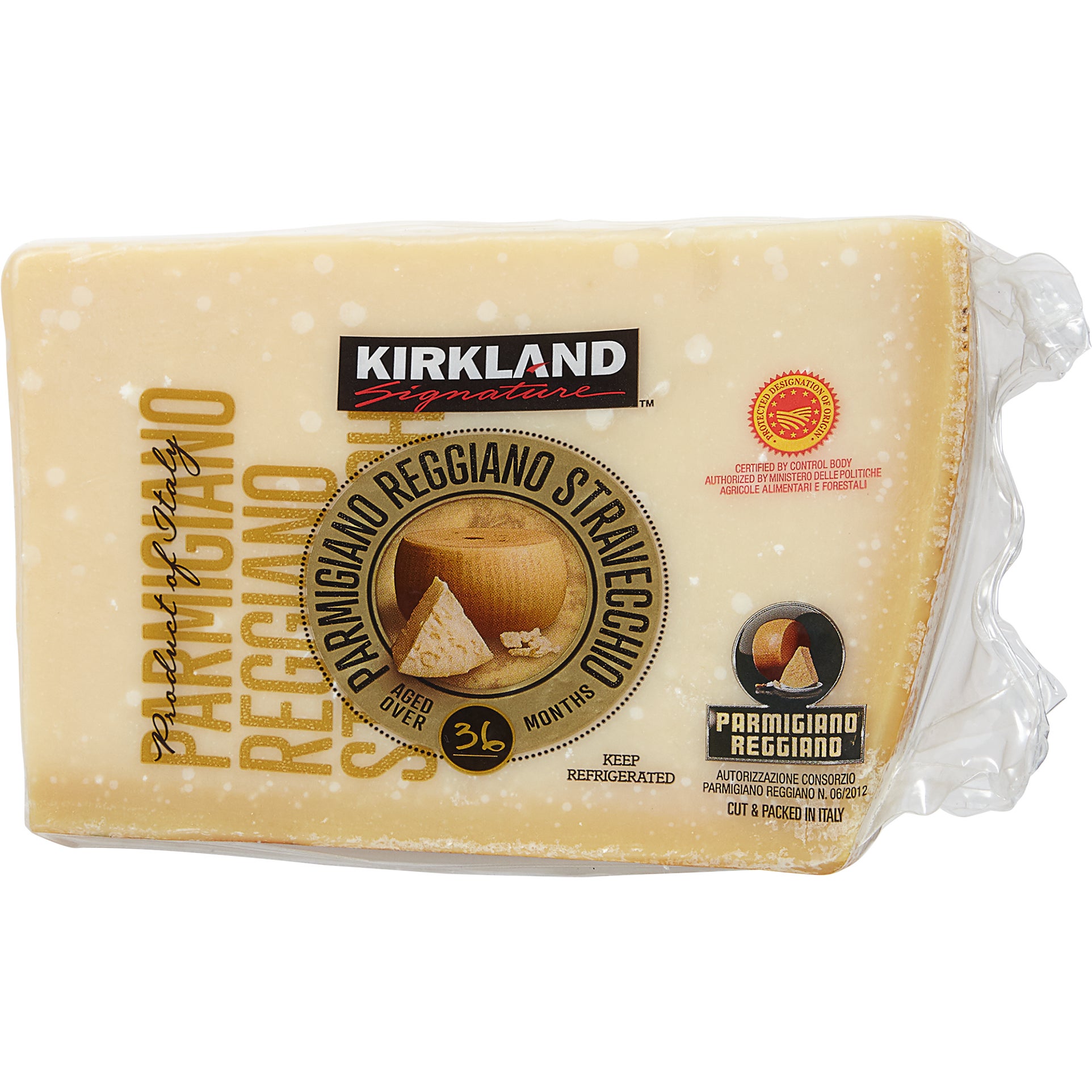
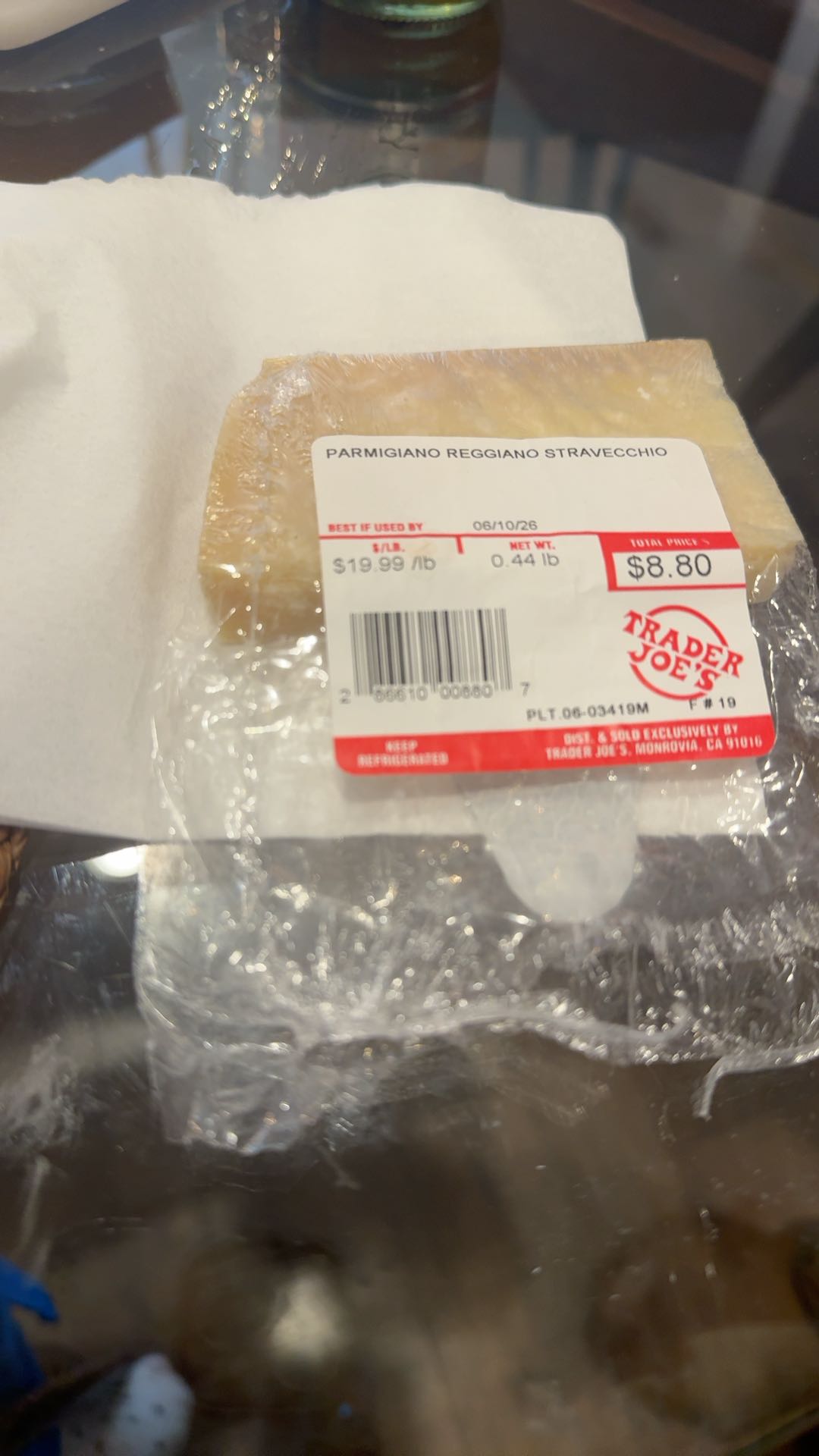
Parmigiano Reggiano is a traditional cheese made from part-skimmed cow's milk, cheese cultures, salt, and rennet, which are all high-quality ingredients. The cheese is minimally processed compared to other dairy products, retaining essential nutrients and beneficial bacteria that support gut health. Despite being classified as processed, its clean ingredient list and traditional preparation method contribute to a high score.
Key ingredients 4
Part-skimmed cow's milkGood
Part-skimmed cow's milk is a primary ingredient in cheese, providing essential nutrients like calcium and protein. It is less processed than many other dairy products, retaining more natural nutrients. The use of cow's milk in traditional cheese-making supports a rich flavor profile.
Risks
Potential risks include lactose intolerance or milk allergies in some individuals.
Benefits
Rich in calcium and protein, supporting bone health and muscle maintenance.
Cheese culturesGood
Cheese cultures are beneficial bacteria used in the fermentation process of cheese-making. They enhance the flavor and texture of the cheese while also contributing to gut health. The presence of live cultures can aid in digestion and improve gut microbiota.
Benefits
Contributes to gut health by providing beneficial bacteria that aid in digestion.
RennetGood
Beneficial ingredient — whole-food or functional value in this product class.
Benefits
Essential for coagulating milk in cheese-making, contributing to the texture and structure of the cheese.
SaltNeutral
Salt is used in cheese-making to enhance flavor and act as a preservative. It is a common ingredient in many foods and is necessary for certain bodily functions. However, excessive consumption of salt can lead to health issues such as high blood pressure.
Risks
Excessive salt intake can contribute to high blood pressure and cardiovascular issues.
Benefits
Enhances flavor and acts as a preservative in cheese.
Processing
Processed Foods
Get the full breakdown in the Scout appTake Scout shopping
Scan any product to see lab results, healthy alternatives, and your personalized analysis.
Download on theApp Store GET IT ONGoogle Play