

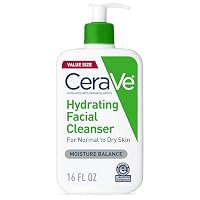


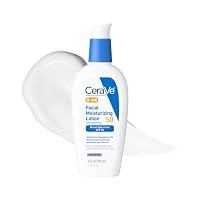

CeraVe Developed with Dermatologists Itch Relief Moisturizing / LOTION
Analysis updated August 2026 · How Scout scores
At a glance
Summary
This lotion contains beneficial ingredients like niacinamide, ceramides, and hyaluronic acid, which support skin hydration and barrier function. However, the presence of denatured alcohol, which can be drying and irritating, along with PEG compounds, affects its overall safety profile. The product is moderately processed, which further impacts its rating.
Key ingredients 34
Ceramide 3Very Good
Ceramide 3 is a lipid molecule that helps to restore the skin barrier. It is essential for maintaining skin hydration and integrity. It is beneficial for dry and sensitive skin types.
Risks
There are no significant risks associated with ceramides in cosmetics.
Benefits
It helps to strengthen the skin barrier and retain moisture.
Ceramide 6 IIVery Good
Ceramide 6 II is a lipid molecule that supports the skin's natural barrier. It helps to maintain hydration and protect against environmental stressors. It is beneficial for dry and sensitive skin types.
Risks
There are no significant risks associated with ceramides in cosmetics.
Benefits
It enhances skin barrier function and improves moisture retention.
Ceramide 1Very Good
Ceramide 1 is a lipid molecule that plays a crucial role in skin barrier function. It helps to maintain skin hydration and protect against environmental damage. It is beneficial for dry and sensitive skin types.
Risks
There are no significant risks associated with ceramides in cosmetics.
Benefits
It strengthens the skin barrier and improves moisture retention.
GlycerinGood
Glycerin is a humectant that attracts moisture to the skin. It helps to keep the skin hydrated and soft. It is widely used in cosmetics for its moisturizing properties.
Risks
There are no significant risks associated with glycerin in cosmetics.
Benefits
It provides excellent moisturizing benefits and helps to maintain skin hydration.
NiacinamideGood
Niacinamide is a form of Vitamin B3 that offers multiple skin benefits. It helps to improve skin texture, reduce redness, and enhance barrier function. It is well-tolerated and beneficial for most skin types.
Risks
There are no significant risks associated with niacinamide in cosmetics.
Benefits
It provides anti-inflammatory and brightening effects, improving overall skin health.
Hyaluronic AcidGood
Hyaluronic Acid is a powerful humectant that attracts and retains moisture in the skin. It helps to keep the skin hydrated and plump. It is well-tolerated and beneficial for all skin types.
Risks
There are no significant risks associated with hyaluronic acid in cosmetics.
Benefits
It provides excellent hydration and helps to improve skin elasticity.
Tocopheryl AcetateGood
Beneficial ingredient — whole-food or functional value in this product class.
Risks
There are no significant risks associated with tocopheryl acetate in cosmetics.
Benefits
It provides antioxidant benefits and helps to protect the skin.
WaterNeutral
Water is a common solvent used in cosmetics to dissolve other ingredients. It helps in the application of the product. It does not provide direct benefits or risks.
Risks
There are no significant risks associated with water in cosmetics.
Benefits
Water helps in spreading the product evenly on the skin.
Isopropyl MyristateNeutral
Isopropyl Myristate is used as an emollient and thickening agent in cosmetics. It helps in improving the texture of the product. It is generally considered safe for use in cosmetics.
Risks
In rare cases, it may cause skin irritation or acne in sensitive individuals.
Benefits
It enhances the absorption of other ingredients into the skin.
Cetyl AlcoholNeutral
Cetyl Alcohol is a fatty alcohol used as an emollient and thickener. It helps to soften and smooth the skin. It is generally considered safe and non-irritating.
Risks
It may cause mild irritation in very sensitive skin types.
Benefits
It provides a moisturizing effect and improves the texture of the product.
Stearic AcidNeutral
Stearic Acid is a fatty acid used as an emulsifier and thickener in cosmetics. It helps to stabilize formulations. It is generally safe for use in cosmetics.
Risks
It may cause mild irritation in sensitive individuals.
Benefits
It helps to maintain the consistency and stability of the product.
Cetearyl AlcoholNeutral
Cetearyl Alcohol is a mixture of fatty alcohols used as an emollient and emulsifier. It helps to soften and smooth the skin. It is generally considered safe and non-irritating.
Risks
It may cause mild irritation in very sensitive skin types.
Benefits
It provides a moisturizing effect and improves the texture of the product.
Glyceryl StearateNeutral
Glyceryl Stearate is an emulsifier that helps to blend water and oil components. It is used to improve the texture and consistency of products. It is generally considered safe for use in cosmetics.
Risks
It may cause mild irritation in sensitive individuals.
Benefits
It helps to maintain the stability and consistency of the product.
PEG-100 StearateNeutral
PEG-100 Stearate is an emulsifier used to blend water and oil components. It helps to improve the texture and consistency of products. It is generally considered safe for use in cosmetics.
Risks
There is a potential risk of contamination with ethylene oxide and 1,4-dioxane.
Benefits
It helps to maintain the stability and consistency of the product.
Xanthan GumNeutral
Xanthan Gum is a natural thickening agent used to stabilize cosmetic formulations. It helps to improve the texture and consistency of products. It is generally considered safe for use in cosmetics.
Risks
There are no significant risks associated with xanthan gum in cosmetics.
Benefits
It helps to maintain the stability and consistency of the product.
Polyglyceryl-3 DiisostearateNeutral
Polyglyceryl-3 Diisostearate is an emulsifier used to blend water and oil components. It helps to improve the texture and consistency of products. It is generally considered safe for use in cosmetics.
Risks
There are no significant risks associated with polyglyceryl-3 diisostearate in cosmetics.
Benefits
It helps to maintain the stability and consistency of the product.
Sodium HydroxideNeutral
Sodium Hydroxide is used to adjust the pH of cosmetic formulations. It helps to maintain the stability and effectiveness of the product. It is generally considered safe when used in low concentrations.
Risks
In high concentrations, it can be corrosive and cause skin irritation.
Benefits
It helps to maintain the desired pH level of the product.
AllantoinNeutral
Allantoin is used for its soothing and skin-conditioning properties. It helps to calm irritated skin and promote healing. It is generally considered safe for use in cosmetics.
Risks
There are no significant risks associated with allantoin in cosmetics.
Benefits
It provides soothing and healing benefits to the skin.
EthylhexylglycerinNeutral
Ethylhexylglycerin is used as a preservative and skin-conditioning agent. It helps to enhance the efficacy of other preservatives. It is generally considered safe for use in cosmetics.
Risks
There are no significant risks associated with ethylhexylglycerin in cosmetics.
Benefits
It provides mild preservative benefits and enhances skin feel.
Sodium Lauroyl LactylateNeutral
Sodium Lauroyl Lactylate is an emulsifier and surfactant used in cosmetics. It helps to blend water and oil components and improve product texture. It is generally considered safe for use in cosmetics.
Risks
There are no significant risks associated with sodium lauroyl lactylate in cosmetics.
Benefits
It helps to maintain the stability and consistency of the product.
Arginine PCANeutral
Arginine PCA is a conditioning agent used in cosmetics. It helps to improve skin hydration and texture. It is generally considered safe for use in cosmetics.
Risks
There are no significant risks associated with arginine PCA in cosmetics.
Benefits
It provides moisturizing and conditioning benefits to the skin.
Potassium PhosphateNeutral
Potassium Phosphate is used as a buffering agent in cosmetics. It helps to maintain the pH balance of formulations. It is generally considered safe for use in cosmetics.
Risks
There are no significant risks associated with potassium phosphate in cosmetics.
Benefits
It helps to maintain the desired pH level of the product.
Dipotassium PhosphateNeutral
Dipotassium Phosphate is used as a buffering agent in cosmetics. It helps to maintain the pH balance of formulations. It is generally considered safe for use in cosmetics.
Risks
There are no significant risks associated with dipotassium phosphate in cosmetics.
Benefits
It helps to maintain the desired pH level of the product.
Tasmannia Lanceolata Fruit ExtractNeutral
Tasmannia Lanceolata Fruit Extract is used for its antioxidant and soothing properties. It helps to protect the skin from environmental stressors. It is generally considered safe for use in cosmetics.
Risks
There are no significant risks associated with Tasmannia Lanceolata Fruit Extract in cosmetics.
Benefits
It provides antioxidant benefits and helps to soothe the skin.
Zinc CitrateNeutral
Zinc Citrate is used for its antimicrobial and astringent properties. It helps to control oil and reduce the appearance of pores. It is generally considered safe for use in cosmetics.
Risks
There are no significant risks associated with zinc citrate in cosmetics.
Benefits
It provides antimicrobial benefits and helps to control oil production.
Sodium PCANeutral
Sodium PCA is a humectant used to attract moisture to the skin. It helps to keep the skin hydrated and soft. It is generally considered safe for use in cosmetics.
Risks
There are no significant risks associated with sodium PCA in cosmetics.
Benefits
It provides excellent moisturizing benefits and helps to maintain skin hydration.
PhytosphingosineNeutral
Phytosphingosine is a lipid used for its anti-inflammatory and antimicrobial properties. It helps to support the skin barrier and reduce redness. It is generally considered safe for use in cosmetics.
Risks
There are no significant risks associated with phytosphingosine in cosmetics.
Benefits
It provides anti-inflammatory benefits and helps to support the skin barrier.
CholesterolNeutral
Cholesterol is a lipid used to support the skin barrier and improve hydration. It helps to maintain skin elasticity and smoothness. It is generally considered safe for use in cosmetics.
Risks
There are no significant risks associated with cholesterol in cosmetics.
Benefits
It helps to strengthen the skin barrier and improve moisture retention.
CarbomerNeutral
Carbomer is a thickening agent used to stabilize cosmetic formulations. It helps to improve the texture and consistency of products. It is generally considered safe for use in cosmetics.
Risks
There are no significant risks associated with carbomer in cosmetics.
Benefits
It helps to maintain the stability and consistency of the product.
DimethiconeBad
Occlusive silicone film-former — flagged under clean-beauty doctrine.
Risks
It may cause mild irritation in sensitive individuals.
Benefits
It provides a silky, smooth feel and helps to protect the skin barrier.
PhenoxyethanolBad
Processed additive flagged under Scout's ingredient doctrine.
Risks
In high concentrations, it may cause skin irritation or allergic reactions.
Benefits
It helps to preserve the product and prevent contamination.
Behentrimonium MethosulfateBad
Processed additive flagged under Scout's ingredient doctrine.
Risks
There are no significant risks associated with behentrimonium methosulfate in cosmetics.
Benefits
It provides conditioning benefits and improves product spreadability.
Disodium EDTABad
Processed additive flagged under Scout's ingredient doctrine.
Risks
There are no significant risks associated with disodium EDTA in cosmetics.
Benefits
It helps to maintain the stability and effectiveness of the product.
Alcohol DenatVery Bad
Alcohol Denat is used as a solvent and astringent in cosmetics. It helps to enhance the penetration of other ingredients. However, it can be drying and irritating to the skin.
Risks
It may cause dryness, irritation, and disruption of the skin barrier.
Benefits
It helps to improve the absorption of active ingredients.
Get the full breakdown in the Scout appTake Scout shopping
Scan any product to see lab results, healthy alternatives, and your personalized analysis.
Download on theApp Store GET IT ONGoogle PlayAmazon pricing & content
Amazon price as of . Product prices and availability are accurate as of the date/time indicated and are subject to change. Any price and availability information displayed on Amazon.com at the time of purchase will apply to the purchase of this product.
CERTAIN CONTENT THAT APPEARS ON THIS SITE COMES FROM AMAZON. THIS CONTENT IS PROVIDED “AS IS” AND IS SUBJECT TO CHANGE OR REMOVAL AT ANY TIME.