

At a glance
Summary
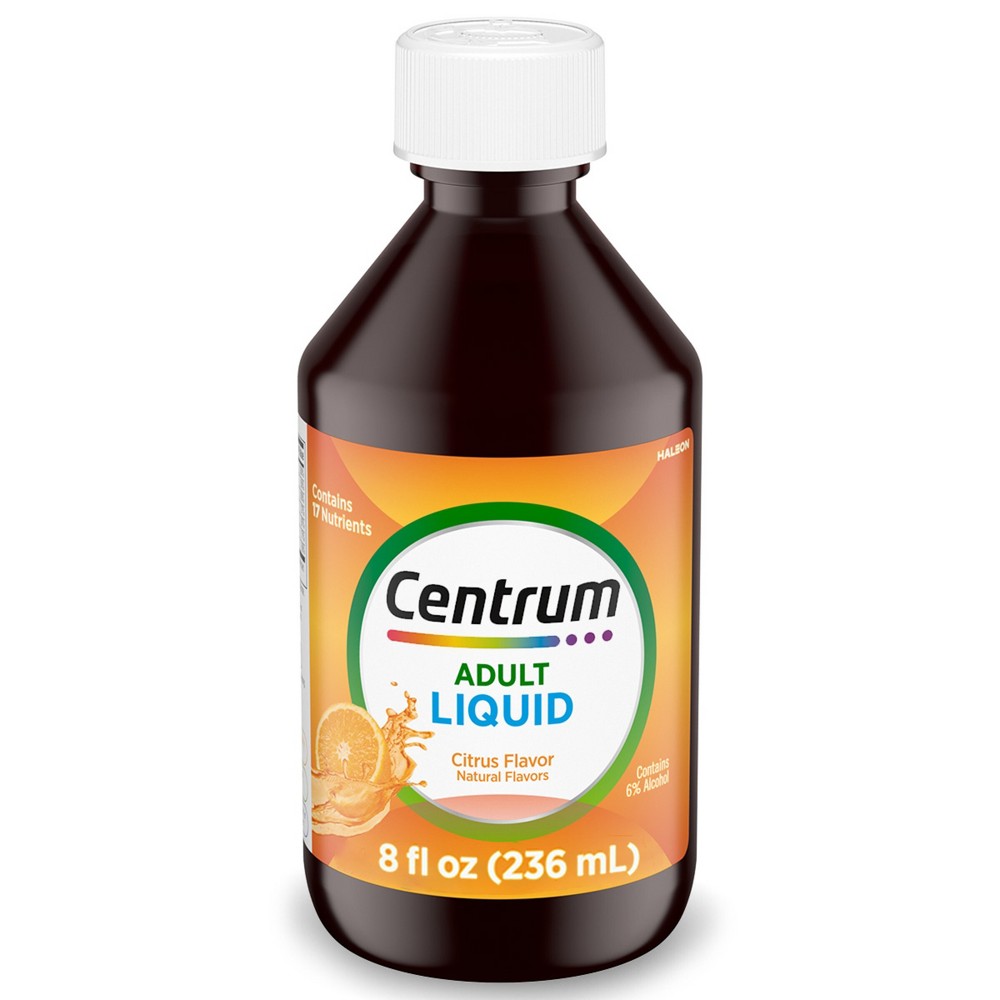
This multivitamin contains beneficial ingredients such as Vitamin C, Vitamin D3, and Biotin, which support immune function, bone health, and energy metabolism. However, the presence of BHA and Disodium EDTA, both used as preservatives, raises concerns due to potential health risks associated with long-term exposure. The formulation includes several synthetic additives, which contribute to a moderate level of processing.
Key ingredients 19
CholecalciferolVery Good
Cholecalciferol, or Vitamin D3, is crucial for calcium absorption and bone health. It is the preferred form of Vitamin D due to its superior bioavailability. Adequate Vitamin D levels are essential for immune function and overall health.
Risks
Excessive intake can lead to toxicity, but this is rare with normal supplementation.
Benefits
Enhances calcium absorption and supports bone health.
Ascorbic AcidGood
Ascorbic Acid, or Vitamin C, is a powerful antioxidant that supports immune function and skin health. It is essential for the synthesis of collagen and the absorption of iron. This ingredient is well-absorbed and generally considered safe.
Benefits
Supports immune function and acts as an antioxidant.
BiotinGood
Biotin, also known as Vitamin B7, is important for energy metabolism and the health of hair, skin, and nails. It is a water-soluble vitamin that supports the conversion of food into energy. Biotin is generally safe and beneficial in appropriate doses.
Benefits
Supports energy metabolism and promotes healthy hair, skin, and nails.
Chromium ChlorideGood
Chromium Chloride provides chromium, a trace mineral important for macronutrient metabolism and blood sugar regulation. It enhances the action of insulin and is beneficial for maintaining normal glucose levels. Chromium supplementation is generally safe in recommended amounts.
Risks
High doses may cause gastrointestinal issues or kidney damage.
Benefits
Supports blood sugar regulation and insulin sensitivity.
dl-alpha Tocopheryl AcetateGood
dl-alpha Tocopheryl Acetate is a synthetic form of Vitamin E, an antioxidant that protects cells from oxidative damage. It is commonly used in supplements for its stability and effectiveness. Vitamin E supports immune function and skin health.
Risks
High doses may increase the risk of bleeding, especially in individuals taking anticoagulants.
Benefits
Acts as an antioxidant and supports immune function.
Ferrous GluconateGood
Ferrous Gluconate is a form of iron used to prevent or treat iron deficiency anemia. It is well-absorbed and commonly used in supplements. Iron is essential for oxygen transport and energy production.
Risks
Excessive iron intake can lead to toxicity, causing gastrointestinal distress and organ damage.
Benefits
Prevents iron deficiency anemia and supports oxygen transport.
NiacinamideGood
Niacinamide, or Vitamin B3, is important for energy metabolism and skin health. It is a water-soluble vitamin that supports cellular energy production. Niacinamide is well-tolerated and beneficial for maintaining healthy skin.
Risks
High doses may cause flushing or liver damage.
Benefits
Supports energy metabolism and promotes healthy skin.
Potassium IodideGood
Potassium Iodide provides iodine, essential for thyroid function and hormone production. It is used to prevent iodine deficiency, which can lead to thyroid disorders. Iodine is crucial for metabolic regulation and overall health.
Risks
Excessive iodine intake can lead to thyroid dysfunction.
Benefits
Supports thyroid function and hormone production.
Pyridoxine HydrochlorideGood
Pyridoxine Hydrochloride, or Vitamin B6, is important for protein metabolism and cognitive development. It is a water-soluble vitamin that supports neurotransmitter synthesis. Vitamin B6 is essential for brain health and immune function.
Risks
High doses may cause nerve damage or sensory neuropathy.
Benefits
Supports protein metabolism and cognitive development.
Riboflavin-5'-phosphateGood
Riboflavin-5'-phosphate, or Vitamin B2, is important for energy production and cellular function. It is a coenzyme in various metabolic pathways. Riboflavin is essential for maintaining healthy skin and eyes.
Benefits
Supports energy production and cellular function.
Thiamine HydrochlorideGood
Thiamine Hydrochloride, or Vitamin B1, is crucial for carbohydrate metabolism and nerve function. It is a water-soluble vitamin that supports energy production. Thiamine is essential for maintaining a healthy nervous system.
Benefits
Supports carbohydrate metabolism and nerve function.
TocopherolsGood
Tocopherols are natural antioxidants that protect cells from oxidative damage. They are used to preserve freshness in products. Tocopherols support immune function and skin health.
Benefits
Acts as an antioxidant and supports immune function.
Zinc GluconateGood
Zinc Gluconate provides zinc, an essential mineral for immune function and wound healing. It is commonly used in supplements for its bioavailability. Zinc is crucial for DNA synthesis and cellular repair.
Risks
Excessive zinc intake can interfere with copper absorption and cause gastrointestinal issues.
Benefits
Supports immune function and wound healing.
Cupric SulfateNeutral
Cupric Sulfate is a source of copper, an essential mineral involved in iron metabolism and the formation of red blood cells. It is used in small amounts in supplements. While necessary for health, excessive copper intake can be toxic.
Risks
Excessive intake can lead to copper toxicity, causing liver and kidney damage.
Benefits
Supports iron metabolism and red blood cell formation.
GlycerinNeutral
Glycerin is a humectant used to retain moisture in products. It is generally recognized as safe and is used in a variety of food and pharmaceutical products. Glycerin is non-toxic and well-tolerated.
Benefits
Helps retain moisture and improve texture in products.
Vitamin A PalmitateNeutral
Standard formulation ingredient — neither beneficial nor harmful at typical use.
Risks
Excessive intake can lead to toxicity, causing liver damage and birth defects.
Benefits
Supports vision and immune function.
BHABad
BHA is a synthetic antioxidant used to preserve freshness, but it is controversial due to potential carcinogenic effects. It is often used in processed foods and supplements to extend shelf life. Some studies suggest it may pose health risks with long-term exposure.
Risks
Potential carcinogenic effects and may cause allergic reactions in sensitive individuals.
Benefits
Helps preserve freshness and extend shelf life of products.
Disodium EDTABad
Disodium EDTA is a chelating agent used to preserve freshness by binding metal ions. It is often used in processed foods and supplements. While generally recognized as safe, it can cause gastrointestinal issues in sensitive individuals.
Risks
May cause gastrointestinal discomfort and interfere with nutrient absorption.
Benefits
Helps preserve freshness by preventing metal ion reactions.
Polysorbate 80Bad
Processed additive flagged under Scout's ingredient doctrine.
Risks
May cause allergic reactions in sensitive individuals.
Benefits
Stabilizes and blends ingredients effectively.
Processing
Processed Foods
Get the full breakdown in the Scout appTake Scout shopping
Scan any product to see lab results, healthy alternatives, and your personalized analysis.
Download on theApp Store GET IT ONGoogle Play