


At a glance
Summary
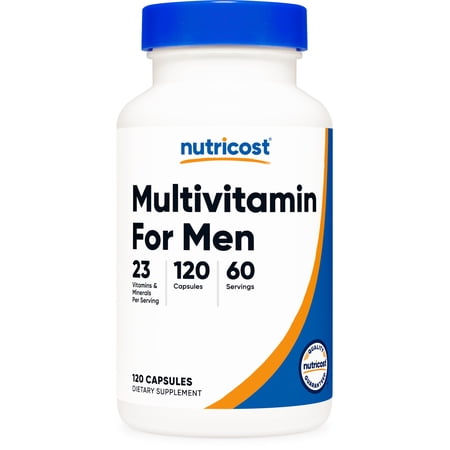
This multi-vitamin supplement contains several beneficial vitamins such as Vitamin C, Niacin, and Vitamin E, which support various bodily functions including immune health and energy metabolism. However, the presence of added sugar and natural flavors, which provide no nutritional benefit and lack transparency, slightly detracts from its overall healthfulness. Despite being ultra-processed, the formulation includes essential nutrients, but the inclusion of non-nutritive additives impacts its score.
Key ingredients 11
Vitamin CVery Good
Vitamin C is a powerful antioxidant that supports immune function and skin health. It is essential for collagen synthesis and enhances iron absorption from plant-based foods. Regular intake is important as the body cannot produce it.
Benefits
Supports immune function and acts as an antioxidant.
Vitamin EVery Good
Vitamin E is a fat-soluble antioxidant that protects cell membranes from oxidative damage. It supports immune function and skin health. It is important for maintaining healthy vision and neurological function.
Risks
High doses may increase the risk of bleeding.
Benefits
Acts as an antioxidant and supports immune function.
Vitamin B6Very Good
Vitamin B6 is essential for protein metabolism and cognitive development. It plays a role in the production of neurotransmitters and red blood cells. Adequate intake supports brain health and reduces the risk of cardiovascular disease.
Risks
High doses can cause nerve damage.
Benefits
Supports protein metabolism and cognitive development.
ThiaminVery Good
Thiamin, or vitamin B1, is vital for energy production and nerve function. It helps convert carbohydrates into energy and is crucial for heart and muscle function. Regular intake is necessary as it is water-soluble.
Benefits
Supports energy production and nerve function.
NiacinGood
Niacin, also known as vitamin B3, is crucial for energy metabolism and DNA repair. It helps maintain healthy skin and nerves and can improve cholesterol levels. It is water-soluble, so regular intake is necessary.
Risks
High doses can cause skin flushing and liver damage.
Benefits
Supports energy metabolism and improves cholesterol levels.
BiotinGood
Biotin, also known as vitamin B7, is important for carbohydrate, fat, and protein metabolism. It supports healthy hair, skin, and nails. It is water-soluble, so regular intake is necessary.
Benefits
Supports metabolism and promotes healthy hair, skin, and nails.
Antioxidant (Ascorbic Acid)Good
Ascorbic acid, also known as vitamin C, is used as an antioxidant to preserve freshness. It helps prevent oxidation and spoilage in food products. It also contributes to the nutritional value by providing vitamin C.
Benefits
Preserves freshness and provides vitamin C.
KildevandNeutral
Kildevand is essentially spring water, which is neutral in terms of health impact. It serves as a base for the beverage without adding any calories or nutrients. There are no significant health concerns or benefits associated with its consumption.
Fruit Juice From ConcentrateNeutral
Fruit juice from concentrate provides some vitamins and minerals but is often high in sugars. The processing method can reduce the nutritional value compared to fresh juice. It can contribute to daily fruit intake but should be consumed in moderation.
Risks
High sugar content may contribute to weight gain and dental issues if consumed in excess.
Benefits
Provides vitamins and minerals such as vitamin C and potassium.
SugarBad
Sugar is a simple carbohydrate that provides quick energy but lacks essential nutrients. Excessive consumption can lead to health issues such as obesity and diabetes. It is often added to enhance flavor but should be limited in a healthy diet.
Risks
Excessive sugar intake is linked to obesity, type 2 diabetes, and heart disease.
Natural FlavorBad
Natural flavor is a catch-all term that can include a variety of substances derived from natural sources. It is often used to enhance taste but lacks nutritional value. The lack of transparency in its composition can be concerning for some consumers.
Risks
Potential allergens and unknown additives may be present.
Processing
Ultra-Processed Foods
Get the full breakdown in the Scout appTake Scout shopping
Scan any product to see lab results, healthy alternatives, and your personalized analysis.
Download on theApp Store GET IT ONGoogle Play