


At a glance
Summary
This product contains a variety of beneficial vegetables and herbs, contributing to its nutritional value and flavor. However, the presence of sunflower oil, a seed oil high in omega-6 fatty acids, is a concern due to its potential inflammatory effects. The product is moderately processed, which slightly impacts its overall healthiness score.
Key ingredients 13
Sea saltGood
Sea salt is a minimally processed source of sodium and trace minerals. It is often preferred over refined table salt due to its natural mineral content. It enhances flavor without the need for artificial additives.
Risks
Excessive consumption of salt can lead to high blood pressure and cardiovascular issues.
Benefits
Provides essential sodium and trace minerals that are important for maintaining fluid balance and nerve function.
OnionGood
Onions are a natural source of vitamins, minerals, and antioxidants. They contain quercetin, which has anti-inflammatory properties. Onions can enhance flavor and provide health benefits.
Benefits
Rich in antioxidants and may support immune function and reduce inflammation.
CeleryGood
Celery is a low-calorie vegetable rich in vitamins and minerals. It contains antioxidants and dietary fiber, which support digestive health. Celery is often used for its flavor and nutritional benefits.
Risks
Celery can be an allergen for some individuals.
Benefits
Provides dietary fiber and antioxidants that support overall health and digestion.
LeekGood
Leeks are a member of the allium family, known for their mild flavor and nutritional benefits. They are rich in vitamins A, C, and K, and contain antioxidants. Leeks can support heart health and immune function.
Benefits
Rich in vitamins and antioxidants that may support heart health and immune function.
CarrotGood
Carrots are a nutrient-dense vegetable high in beta-carotene, fiber, and antioxidants. They are known for supporting eye health and providing essential nutrients. Carrots add natural sweetness and color to dishes.
Benefits
High in beta-carotene, which is converted to vitamin A and supports vision and immune health.
ParsleyGood
Parsley is a herb rich in vitamins A, C, and K, and antioxidants. It is often used to enhance flavor and provide nutritional benefits. Parsley may support bone health and immune function.
Benefits
Provides vitamins and antioxidants that support overall health and may improve bone health.
ParsnipGood
Parsnips are a root vegetable high in fiber, vitamins, and minerals. They provide a sweet flavor and are a good source of potassium and vitamin C. Parsnips can support digestive health and immune function.
Benefits
Rich in dietary fiber and nutrients that support digestion and immune health.
LovageGood
Lovage is a herb known for its strong flavor and potential health benefits. It contains antioxidants and may support digestive health. Lovage is often used to enhance the flavor of soups and broths.
Benefits
Contains antioxidants and may aid in digestion and flavor enhancement.
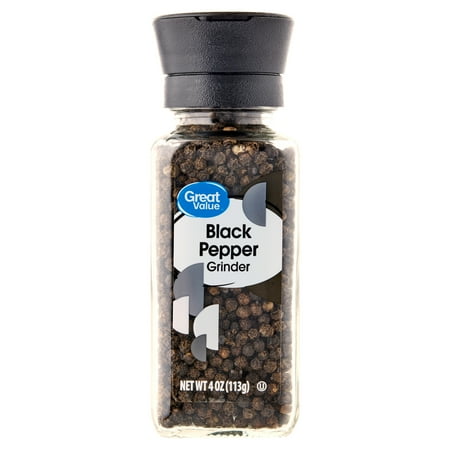
PepperGood
Pepper is a spice known for its flavor-enhancing properties and potential health benefits. It contains piperine, which may improve nutrient absorption. Pepper is often used to enhance the taste and nutritional profile of dishes.
Benefits
May enhance nutrient absorption and provide antioxidants.
TurmericGood
Turmeric is a spice known for its anti-inflammatory and antioxidant properties. It contains curcumin, which has been studied for its potential health benefits. Turmeric is often used for its flavor and health-promoting properties.
Benefits
Contains curcumin, which may reduce inflammation and provide antioxidant benefits.
CornstarchNeutral
Cornstarch is a common thickening agent derived from corn. It is typically used to improve texture and consistency in food products. It is generally considered neutral in terms of health impact.
See more about Cornstarch →NutmegNeutral
Nutmeg is a spice used for its aromatic flavor. It is typically used in small amounts and is considered neutral in terms of health impact. Nutmeg can enhance the flavor profile of dishes.
Risks
Excessive consumption can lead to toxicity and adverse effects.
Sunflower oilVery Bad
Sunflower oil is a seed oil high in omega-6 fatty acids, which can promote inflammation when consumed in excess. It is often highly processed and lacks the nutritional benefits of healthier oils. The extraction process can involve high heat and chemicals.
Risks
High omega-6 content may promote inflammation and imbalance in fatty acid intake.
Processing
Processed Culinary Ingredients
Get the full breakdown in the Scout appTake Scout shopping
Scan any product to see lab results, healthy alternatives, and your personalized analysis.
Download on theApp Store GET IT ONGoogle Play