


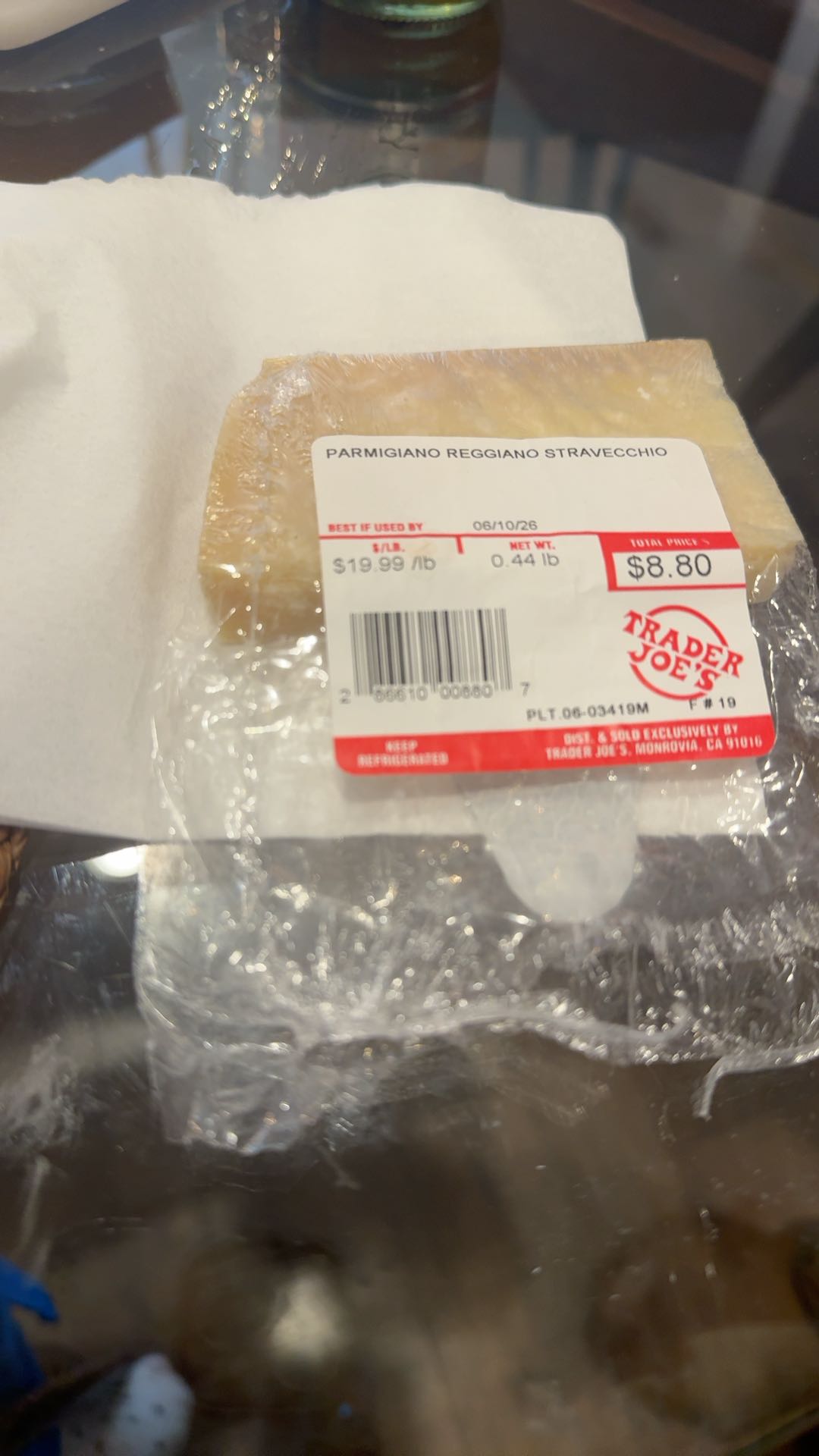
At a glance
Summary
This cheese product is processed but maintains a relatively clean ingredient list, with pasteurized milk, cream, and starter cultures contributing to its nutritional profile. The presence of potassium sorbate, a synthetic preservative, indicates a higher level of processing, but it is the only additive present. The low fat content and minimal use of additives allow it to score well within its category, although the processing level prevents it from reaching the highest scores.
Key ingredients 5
Starter cultureGood
Starter cultures are beneficial bacteria used in cheese making to develop flavor and texture. They are essential for fermentation and contribute to the probiotic content of the cheese. This ingredient supports gut health and enhances the nutritional profile of the product.
Benefits
Promotes gut health by providing beneficial bacteria and aids in the fermentation process, enhancing flavor and texture.
Pasteurized milkNeutral
Pasteurized milk is a common base for dairy products, providing essential nutrients like calcium and protein. The pasteurization process eliminates harmful bacteria but can reduce some beneficial enzymes. It is a standard ingredient in cheese production, offering a neutral health impact.
Benefits
Provides essential nutrients such as calcium and protein, which are important for bone health and muscle maintenance.
Pasteurized creamNeutral
Pasteurized cream adds richness and texture to dairy products. The pasteurization process ensures safety by eliminating pathogens but may slightly alter the flavor profile. It is a typical ingredient in cheese, contributing to its creamy texture.
Benefits
Enhances the texture and flavor of cheese, providing a creamy consistency.
SaltNeutral
Salt is used in cheese making for flavor and preservation. It is a refined ingredient that does not provide additional trace minerals. While necessary for taste, excessive consumption can lead to health issues.
Risks
High sodium intake can contribute to hypertension and cardiovascular issues.
Benefits
Enhances flavor and acts as a preservative in cheese.
Potassium sorbateBad
Potassium sorbate is a synthetic preservative used to extend shelf life by inhibiting mold and yeast growth. It is generally recognized as safe but is a processed additive. Its presence indicates a higher level of processing in the product.
Risks
May cause allergic reactions or sensitivities in some individuals.
Benefits
Effectively prevents spoilage and extends the shelf life of dairy products.
Processing
Processed Foods
Get the full breakdown in the Scout appTake Scout shopping
Scan any product to see lab results, healthy alternatives, and your personalized analysis.
Download on theApp Store GET IT ONGoogle Play