Fettuccine

At a glance
Summary
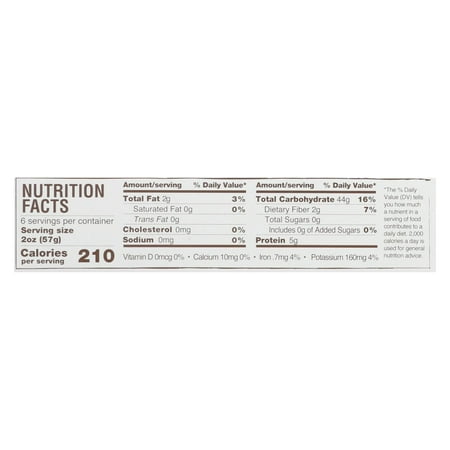
This fettuccine is made primarily from durum wheat semolina, which is a high-quality ingredient for pasta. The product includes added vitamins and minerals like niacin and iron, which are beneficial but indicate a level of processing. Despite being processed, it contains no harmful additives or seed oils, maintaining a clean label with a short ingredient list.
Key ingredients 6
NiacinGood
Beneficial ingredient — whole-food or functional value in this product class.
Benefits
Supports energy metabolism and helps maintain healthy skin and nerves.
RiboflavinGood
Essential B vitamin — beneficial micronutrient.
Benefits
Essential for energy production and maintaining healthy skin and eyes.
Durum Wheat SemolinaNeutral
Durum wheat semolina is a refined grain product used in pasta making. It provides carbohydrates and some protein but lacks the fiber and nutrients found in whole grains. The refining process removes the bran and germ, reducing its nutritional profile.
Risks
May contribute to blood sugar spikes due to its refined nature. Contains gluten, which can be problematic for those with celiac disease or gluten sensitivity.
Benefits
Provides a source of energy and some protein. Commonly used in pasta for its texture and cooking properties.
Iron (ferrous Sulfate)Neutral
Iron is an essential mineral added to enriched foods to prevent deficiencies. Ferrous sulfate is a common form used in fortification. It helps in the formation of red blood cells and oxygen transport.
Risks
Excessive intake can lead to gastrointestinal issues and toxicity, especially in children.
Benefits
Prevents iron deficiency anemia and supports overall energy levels and immune function.
Thiamin MononitrateNeutral
Thiamin mononitrate is a synthetic form of vitamin B1 used in food fortification. It is crucial for carbohydrate metabolism and nerve function. Added to refined grains to restore nutrient content lost during processing.
Benefits
Supports energy production and proper nervous system function.
Folic AcidNeutral
Folic acid is a synthetic form of vitamin B9 used in food fortification to prevent neural tube defects. It is important for DNA synthesis and cell division. Often added to refined grains to improve nutritional content.
Risks
Excessive intake can mask vitamin B12 deficiency and may lead to other health issues.
Benefits
Crucial for fetal development and reducing the risk of birth defects. Supports overall cell health and function.
Processing
Processed Foods
Get the full breakdown in the Scout appTake Scout shopping
Scan any product to see lab results, healthy alternatives, and your personalized analysis.
Are you Reggano? Fix an error Get the badge Get tested