
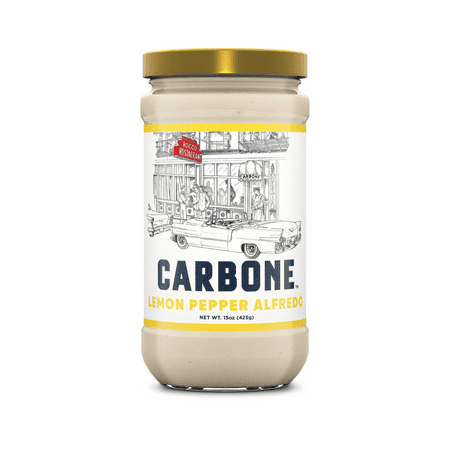

Carbone Lemon Pepper Alfredo Pasta Sauce 15 oz
Analysis updated October 2026 · How Scout scores
At a glance
Summary
This pasta sauce contains high-quality ingredients like light cream, butter, and aged cheeses, which provide beneficial nutrients such as vitamins and calcium. However, the presence of 'natural flavorings' introduces some uncertainty due to their lack of transparency and potential processing. The product is moderately processed, which limits its score despite the overall clean ingredient list.
Key ingredients 8
Light CreamGood
Light cream is a source of dairy fat and provides a creamy texture to foods. It contains essential vitamins like A and D, which are beneficial for health. The fat content is lower than heavy cream, making it a lighter option.
Risks
May cause issues for individuals with lactose intolerance or dairy allergies.
Benefits
Provides a source of calcium and fat-soluble vitamins, contributing to bone health and nutrient absorption.
ButterGood
Butter is a natural source of fat and provides flavor and richness to foods. It contains fat-soluble vitamins like A, D, E, and K. Grass-fed butter is particularly high in beneficial omega-3 fatty acids and CLA.
Risks
High in saturated fats, which should be consumed in moderation to avoid cardiovascular risks.
Benefits
Rich in fat-soluble vitamins and provides a natural source of energy and flavor.
Parmesan CheeseGood
Parmesan cheese is a hard cheese rich in protein and calcium. It is aged, which enhances its flavor and digestibility. Contains beneficial probiotics due to fermentation.
Risks
High sodium content may be a concern for individuals with hypertension.
Benefits
Excellent source of calcium and protein, supporting bone health and muscle maintenance.
Romano CheeseGood
Romano cheese is a flavorful hard cheese that adds depth to dishes. It is rich in calcium and protein, essential for bone and muscle health. The aging process enhances its flavor and digestibility.
Risks
Contains high levels of sodium, which can be a concern for those monitoring salt intake.
Benefits
Provides essential nutrients like calcium and protein, beneficial for bone and muscle health.
WaterNeutral
Water is used as a solvent and to adjust the consistency of the sauce. It is a neutral ingredient with no direct nutritional impact. It helps in blending other ingredients smoothly.
See more about Water →SaltNeutral
Salt is used to enhance flavor and preserve food. It is a common culinary ingredient with no direct nutritional benefits. Excessive consumption can lead to health issues like hypertension.
Risks
High sodium intake is linked to increased blood pressure and cardiovascular risks.
EnzymesNeutral
Enzymes are used in cheese production to aid in the fermentation process. They help in breaking down proteins and fats, improving texture and flavor. Typically derived from microbial or animal sources.
Benefits
Enhances the flavor and texture of cheese through fermentation.
Natural FlavoringsBad
Natural flavorings are used to enhance taste but lack transparency in their composition. They can be derived from various natural sources but are often processed. The lack of specificity can be concerning for those with allergies or sensitivities.
Risks
Potential allergen risk due to unspecified sources and processing methods.
Processing
Processed Foods
Get the full breakdown in the Scout appTake Scout shopping
Scan any product to see lab results, healthy alternatives, and your personalized analysis.
Download on theApp Store GET IT ONGoogle PlayAmazon pricing & content
Amazon price as of . Product prices and availability are accurate as of the date/time indicated and are subject to change. Any price and availability information displayed on Amazon.com at the time of purchase will apply to the purchase of this product.
CERTAIN CONTENT THAT APPEARS ON THIS SITE COMES FROM AMAZON. THIS CONTENT IS PROVIDED “AS IS” AND IS SUBJECT TO CHANGE OR REMOVAL AT ANY TIME.