


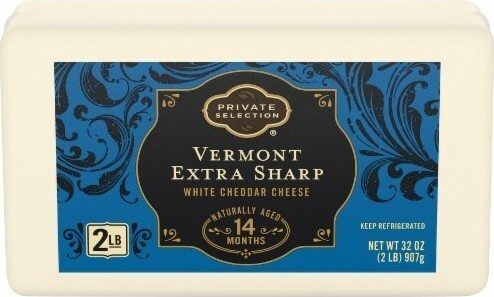

At a glance
Summary
This product is primarily composed of cheddar cheese, which provides high-quality protein and beneficial nutrients like calcium and vitamin B12. The ingredient list is relatively clean, with minimal additives and no harmful substances, contributing to its favorable rating. However, due to its processing level, the score is capped, preventing it from reaching the highest tier.
Key ingredients 7
Cheddar cheeseGood
Cheddar cheese is a source of high-quality protein and calcium. It is made from milk and contains beneficial nutrients like vitamin B12 and phosphorus. The fermentation process also contributes to its probiotic content.
Risks
Contains lactose, which may cause digestive issues for those with lactose intolerance.
Benefits
Rich in protein and calcium, supporting bone health and muscle maintenance.
Cheese cultureGood
Cheese culture is essential for the fermentation process in cheese making. It helps develop flavor and texture while contributing beneficial bacteria. These cultures can support gut health through probiotic effects.
Benefits
Contributes to flavor development and may support gut health through probiotics.
Pasteurized part-skim milkNeutral
Pasteurized part-skim milk is a common dairy ingredient used to reduce fat content while maintaining protein levels. Pasteurization ensures safety by eliminating harmful bacteria. It lacks the full fat content of whole milk, which may reduce some nutritional benefits.
Risks
May cause issues for individuals with lactose intolerance or milk allergies.
Benefits
Provides protein and calcium, essential for bone health.
SaltNeutral
Salt is used for flavor enhancement and as a preservative in cheese. It is a necessary component in cheese making to control moisture and bacterial growth. Excessive consumption can lead to health issues such as hypertension.
Risks
High sodium intake can contribute to hypertension and cardiovascular issues.
Benefits
Essential for flavor and preservation in cheese making.
Annatto colorNeutral
Annatto is a natural colorant derived from the seeds of the achiote tree. It is used to impart a yellow-orange hue to cheese without synthetic additives. It is generally recognized as safe and has minimal impact on health.
Risks
Rare allergic reactions have been reported in sensitive individuals.
Benefits
Provides natural coloring without synthetic additives.
EnzymesNeutral
Enzymes are crucial in the cheese-making process to coagulate milk and develop texture. They are typically derived from microbial or animal sources. Their role is functional, with no direct nutritional impact.
Benefits
Essential for cheese production, aiding in milk coagulation and texture development.
Vitamin A palmitateNeutral
Vitamin A palmitate is a synthetic form of vitamin A used to fortify foods. It helps maintain vision, immune function, and skin health. While beneficial, excessive intake can lead to toxicity.
Risks
Excessive consumption can lead to vitamin A toxicity, causing liver damage and other health issues.
Benefits
Supports vision, immune function, and skin health.
Processing
Processed Foods
Get the full breakdown in the Scout appTake Scout shopping
Scan any product to see lab results, healthy alternatives, and your personalized analysis.
Download on theApp Store GET IT ONGoogle Play