

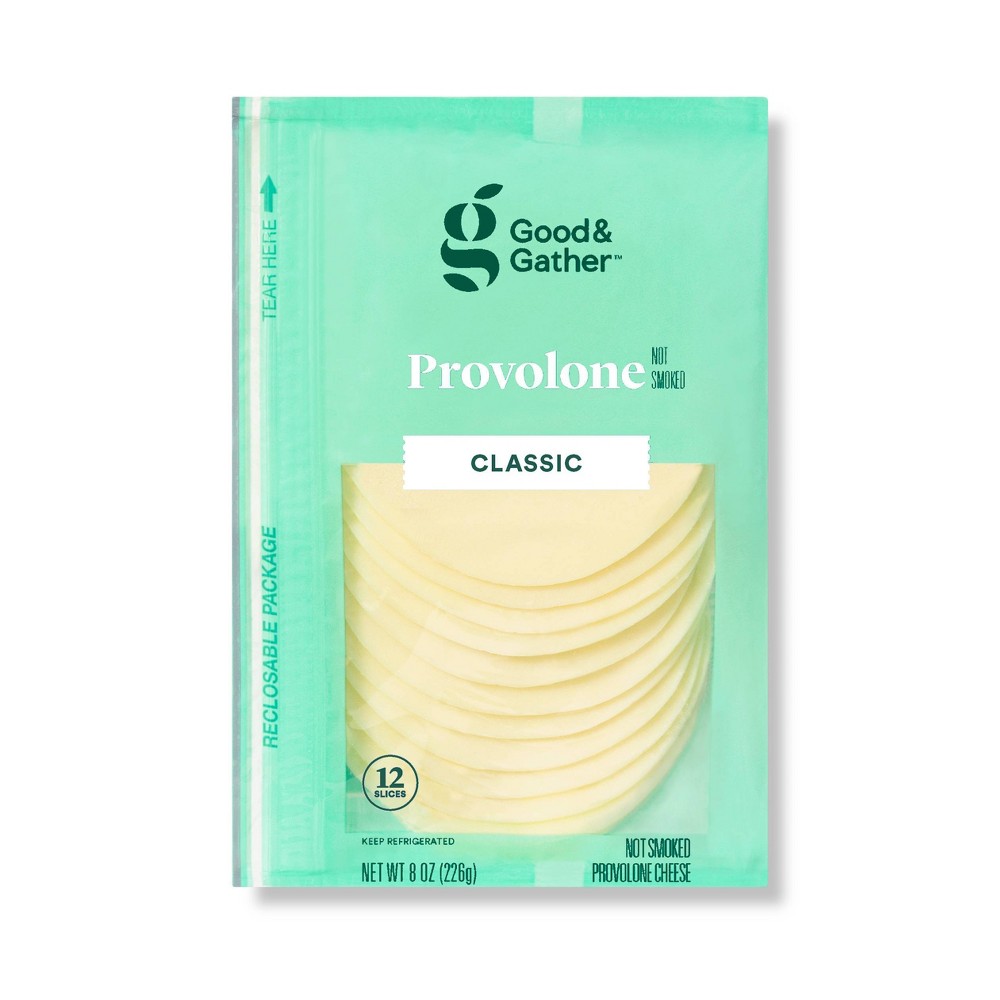


Happy Farms by ALDI NON SMOKED PROVOLONE DELI-SLICED CHEESE
Analysis updated September 2026 · How Scout scores
At a glance
Summary
This cheese product is made from pasteurized milk, cheese culture, salt, and microbial enzymes, which are simple and traditional ingredients for cheese. Despite being processed, it lacks harmful additives or seed oils, making it a relatively clean option within its category. The processing level limits its score, but the straightforward ingredient list supports a high rating within the processed cheese category.
Key ingredients 4
Cheese cultureGood
Beneficial ingredient — whole-food or functional value in this product class.
Benefits
Contributes to the development of cheese flavor and texture, enhancing the overall quality of the product.
Pasteurized milkNeutral
Pasteurized milk is a common base for cheese, providing essential proteins and fats. The pasteurization process kills harmful bacteria but may reduce some beneficial enzymes. It is a standard ingredient in cheese production.
Benefits
Provides a source of calcium and protein, essential for bone health and muscle maintenance.
SaltNeutral
Salt is used in cheese for flavor enhancement and as a preservative. It is a common ingredient in cheese-making, helping to control moisture and bacterial growth. While necessary in moderation, excessive salt intake can lead to health issues.
Risks
High sodium intake can contribute to hypertension and cardiovascular issues if consumed in excess.
Benefits
Enhances flavor and acts as a preservative, extending the shelf life of the cheese.
Microbial enzymesNeutral
Microbial enzymes are used to coagulate milk, an essential step in cheese production. They are an alternative to animal rennet, making the cheese suitable for vegetarians. These enzymes are widely used in the industry and are considered safe.
Benefits
Allows for the coagulation of milk, essential for cheese formation, and is suitable for vegetarian diets.
Processing
Processed Foods
Get the full breakdown in the Scout appTake Scout shopping
Scan any product to see lab results, healthy alternatives, and your personalized analysis.
Download on theApp Store GET IT ONGoogle Play