


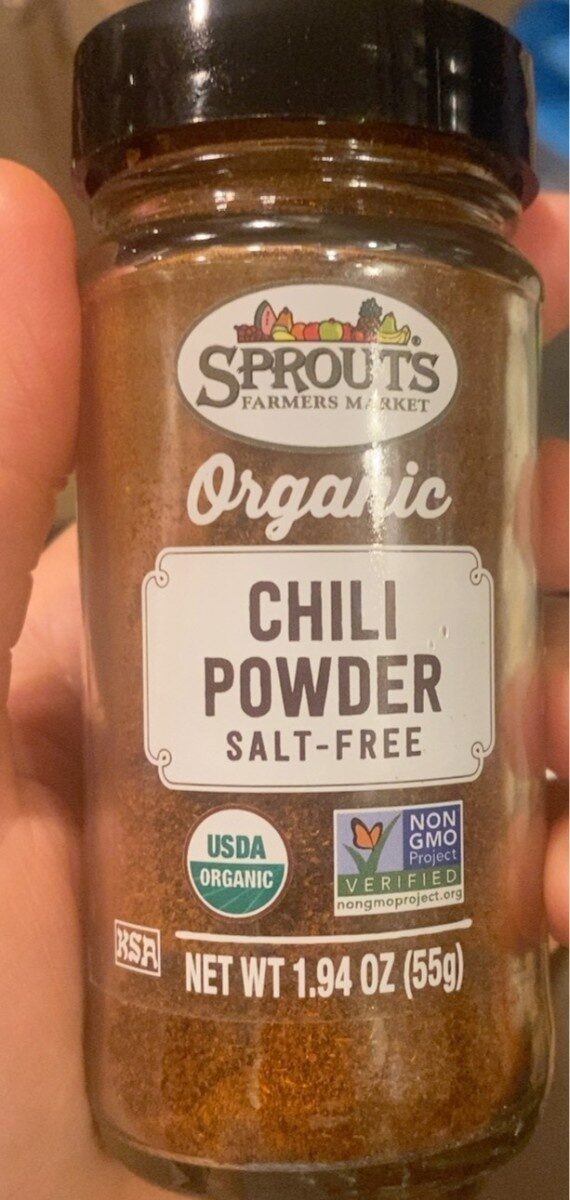
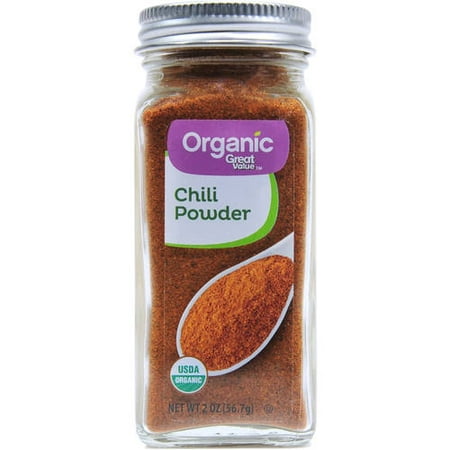

At a glance
Summary
This product features a clean ingredient list with natural spices like chili pepper, paprika, and cumin, which are rich in antioxidants and provide health benefits. The use of whole food ingredients such as onion and garlic, along with sea salt, enhances its nutritional profile. The product is minimally processed, contributing to its high score, although the presence of corn flour slightly reduces its overall healthiness.
Key ingredients 6
Chili pepperGood
Chili pepper is rich in capsaicin, which has anti-inflammatory and metabolism-boosting properties. It is a natural spice that adds flavor without the need for artificial additives. Capsaicin may also aid in pain relief and weight management.
Risks
Excessive consumption may cause digestive discomfort or irritation.
Benefits
Contains capsaicin, which can boost metabolism and provide anti-inflammatory benefits.
Other spicesGood
Spices like paprika, red pepper, and cumin are rich in antioxidants and add flavor without calories. They are minimally processed and provide various health benefits. These spices can enhance the nutritional profile of dishes by adding vitamins and minerals.
Benefits
Rich in antioxidants and can enhance flavor and nutritional value of foods.
OnionGood
Onions are a good source of vitamins, minerals, and antioxidants, particularly quercetin. They are a whole food ingredient that adds flavor and nutritional value. Onions may support heart health and have anti-inflammatory effects.
Benefits
Provides antioxidants and may support heart health and reduce inflammation.
Sea saltGood
Sea salt is a natural source of sodium and trace minerals, offering a more balanced mineral profile than refined salt. It is minimally processed and enhances flavor naturally. Sea salt can help maintain electrolyte balance in the body.
Risks
Excessive sodium intake can lead to high blood pressure and cardiovascular issues.
Benefits
Provides essential minerals and helps maintain electrolyte balance.
GarlicGood
Garlic is known for its immune-boosting properties and contains allicin, which has antimicrobial effects. It is a natural ingredient that enhances flavor and offers health benefits. Garlic may also support cardiovascular health and reduce cholesterol levels.
Benefits
Boosts immune function and may support heart health.
Corn flourNeutral
Corn flour is a processed ingredient used as a thickener or filler in foods. It provides carbohydrates but lacks significant nutritional benefits. While it is gluten-free, it does not offer the same nutritional profile as whole grains.
Risks
May contribute to high carbohydrate intake without providing significant nutrients.
Processing
Processed Culinary Ingredients
Get the full breakdown in the Scout appTake Scout shopping
Scan any product to see lab results, healthy alternatives, and your personalized analysis.
Download on theApp Store GET IT ONGoogle Play