

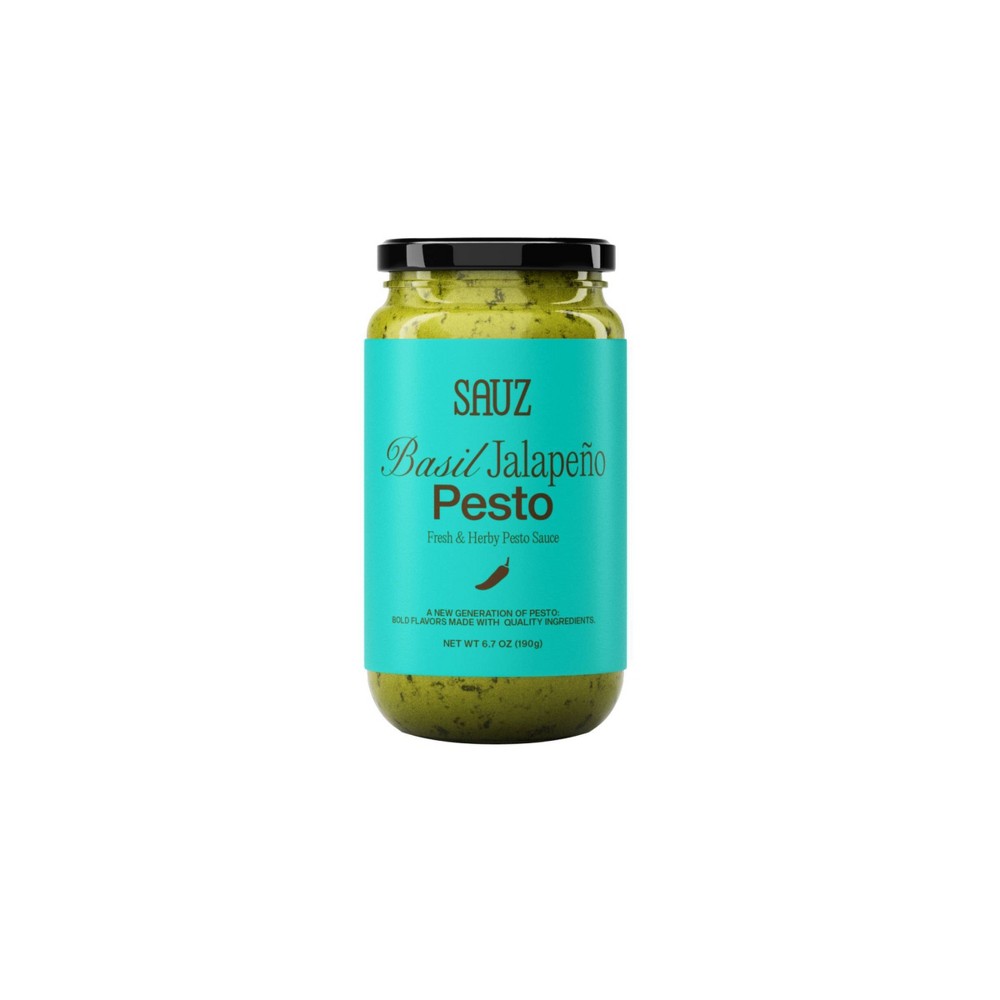


At a glance
Summary
This pesto sauce contains beneficial ingredients like basil, olive oil, and nuts, which contribute healthy fats and nutrients. However, the presence of sunflower oil, a seed oil high in omega-6 fatty acids, and added sugar detracts from its overall healthiness. The product is moderately processed, which limits its score despite the presence of some high-quality ingredients.
Key ingredients 11
Olive OilVery Good
Olive oil is a high-quality monounsaturated fat with anti-inflammatory properties. It contains antioxidants that support heart health and is often cold-pressed to preserve beneficial compounds. Its use in cooking and dressings is associated with numerous health benefits.
Benefits
Rich in monounsaturated fats that support heart health and provide anti-inflammatory properties. Contains antioxidants like vitamin E and polyphenols that may reduce oxidative stress.
BasilGood
Basil is a fresh herb known for its aromatic properties and potential health benefits. It contains essential oils and antioxidants that may support immune function and reduce inflammation. As a natural ingredient, it enhances flavor without adding calories or unhealthy substances.
Benefits
Rich in antioxidants and essential oils that may support immune health and reduce inflammation.
Cashew NutsGood
Cashew nuts are a source of healthy fats, protein, and essential minerals like magnesium and zinc. They provide a creamy texture and nutty flavor to foods. As a whole food, they contribute beneficial nutrients and energy.
Risks
Potential allergen for individuals with nut allergies.
Benefits
Provide healthy fats, protein, and essential minerals that support overall health.
Grana Padano CheeseGood
Grana Padano cheese is a hard cheese made from cow's milk, providing a rich source of protein and calcium. It contains beneficial bacteria from the fermentation process, which may support gut health. As an aged cheese, it offers a complex flavor profile.
Risks
Contains lactose and may cause issues for those with lactose intolerance.
Benefits
Rich in protein and calcium, supporting bone health and muscle function.
Pine NutsGood
Pine nuts are a source of healthy fats, protein, and essential nutrients like magnesium and vitamin E. They add a rich, nutty flavor to dishes. As a whole food, they contribute beneficial nutrients and energy.
Risks
Potential allergen for individuals with nut allergies.
Benefits
Provide healthy fats, protein, and essential nutrients that support overall health.
Garlic PowderGood
Garlic powder is a dehydrated form of garlic, known for its flavor and potential health benefits. It contains compounds like allicin, which may support heart health and immune function. As a spice, it enhances flavor without adding calories.
Benefits
Contains allicin, which may support heart health and immune function.
WaterNeutral
Water is used as a solvent and to adjust the consistency of the sauce. It does not contribute any calories or nutrients. Its presence is essential for achieving the desired texture.
See more about Water →SaltNeutral
Salt is used to enhance flavor and preserve the product. It is a common ingredient in processed foods. While necessary in small amounts, excessive consumption can lead to health issues.
Risks
Excessive consumption may lead to high blood pressure and cardiovascular issues.
Benefits
Enhances flavor and acts as a preservative.
Lactic AcidNeutral
Lactic acid is used as a preservative and to add acidity to foods. It is naturally occurring and generally recognized as safe. Its role in food is primarily functional, with minimal impact on nutrition.
See more about Lactic Acid →SugarBad
Sugar is added to enhance sweetness and balance flavors. It is a refined carbohydrate that can contribute to health issues when consumed in excess. Its presence in processed foods is often unnecessary and can lead to increased calorie intake.
Risks
Excessive consumption can lead to weight gain, insulin resistance, and dental issues.
Sunflower OilVery Bad
Sunflower oil is a seed oil high in omega-6 fatty acids, which can promote inflammation when consumed in excess. It is often refined and processed, which may reduce its nutritional quality. Compared to other oils, it lacks the beneficial monounsaturated fats found in olive oil.
Risks
High omega-6 content may promote inflammation when consumed in excess.
Processing
Processed Foods
Get the full breakdown in the Scout appTake Scout shopping
Scan any product to see lab results, healthy alternatives, and your personalized analysis.
Download on theApp Store GET IT ONGoogle Play