



Near you
Aldi is carried at Aldi stores. Find one within 25 miles.
At a glance
Summary
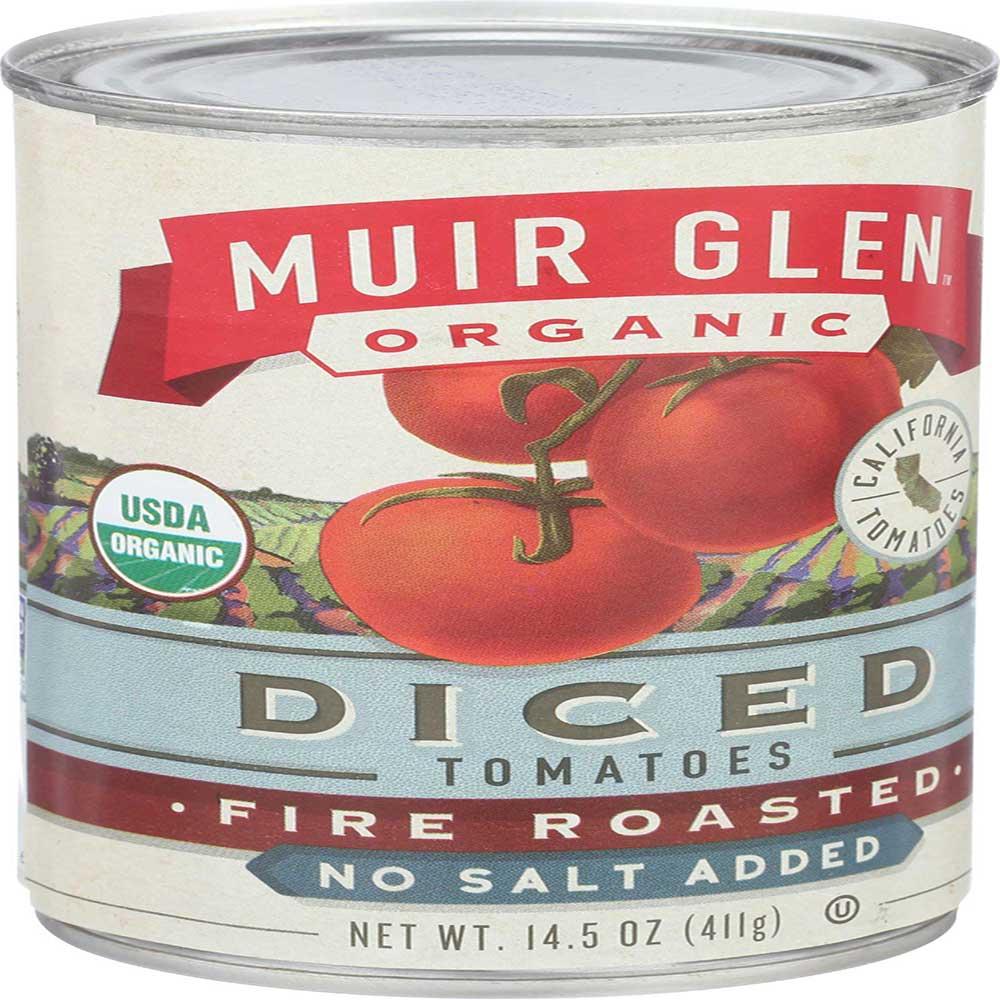
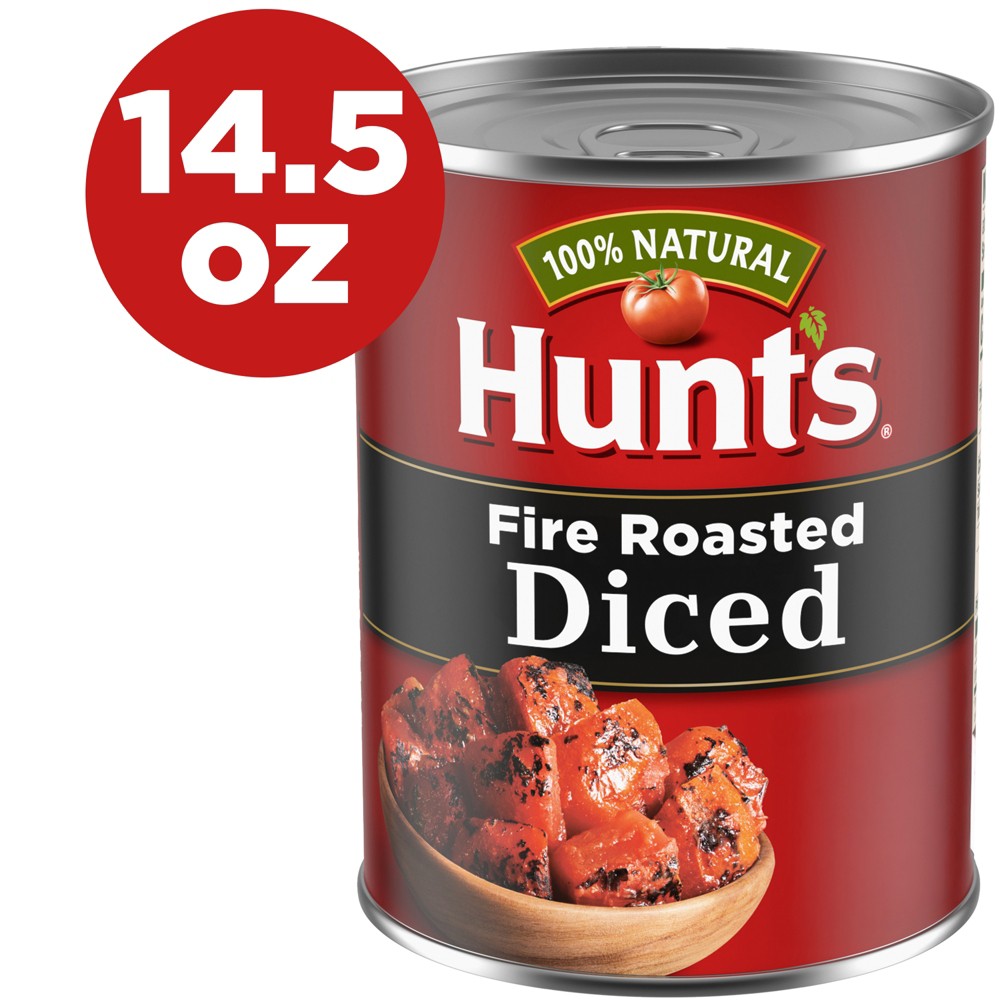
This product contains fire roasted diced tomatoes, which are a good source of vitamins and antioxidants, and sea salt, which is minimally processed. The ingredient list is short and free from harmful additives, although it includes citric acid as a preservative. The processing level limits the score, but the clean label and beneficial ingredients contribute positively to its rating.
Key ingredients 5
Fire roasted diced tomatoesGood
Fire roasted diced tomatoes are a source of vitamins and antioxidants, particularly lycopene, which is beneficial for heart health. The roasting process enhances flavor without significantly degrading nutritional content. They provide a natural source of nutrients with minimal processing.
Benefits
Rich in vitamins A and C, and antioxidants like lycopene, which may reduce the risk of chronic diseases.
Sea saltGood
Sea salt is a minimally processed source of sodium and trace minerals. It is often preferred over refined table salt due to its natural mineral content. It enhances flavor without the need for artificial additives.
Risks
Excessive consumption can lead to high blood pressure and related health issues.
Benefits
Provides essential sodium and trace minerals, supporting electrolyte balance and nerve function.
Tomato juiceNeutral
Tomato juice is a natural product that provides hydration and some vitamins and minerals. It is typically low in calories and can be a good source of vitamin C and potassium. However, it may contain added sodium, which should be monitored in high-sodium diets.
Risks
Potentially high in sodium, which can contribute to hypertension if consumed in excess.
Benefits
Provides hydration and is a source of vitamin C and potassium, supporting immune function and heart health.
Calcium chlorideNeutral
Calcium chloride is used as a firming agent in canned foods. It helps maintain the texture of tomatoes during processing. It is generally recognized as safe when used in food products.
Benefits
Helps maintain the firmness and texture of canned tomatoes, ensuring a better culinary experience.
Citric acidNeutral
Citric acid is a natural preservative and flavor enhancer found in citrus fruits. It is commonly used to add acidity and preserve freshness in canned foods. It is generally safe and widely used in the food industry.
Benefits
Acts as a natural preservative and flavor enhancer, extending shelf life and improving taste.
Processing
Processed Foods
Get the full breakdown in the Scout appTake Scout shopping
Scan any product to see lab results, healthy alternatives, and your personalized analysis.
Download on theApp Store GET IT ONGoogle Play