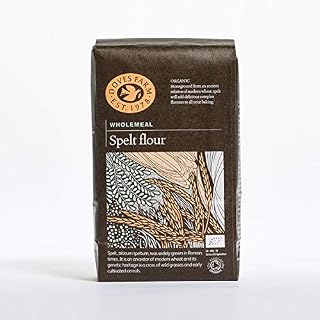
Self raising flour

At a glance
Summary
This self-raising flour is a processed food with added nutrients like calcium, folic acid, and iron, which are beneficial for health. However, it contains raising agents and is not a whole food, which affects its processing score. The presence of refined wheat flour as the main ingredient also contributes to its moderate rating, as it lacks the nutritional benefits of whole grains.
Key ingredients 9
CalciumGood
Calcium is an essential mineral important for bone health and muscle function. It is often added to foods to enhance nutritional value. Adequate calcium intake is crucial for preventing osteoporosis.
Risks
Excessive calcium intake can lead to kidney stones and impaired absorption of other minerals.
Benefits
Supports bone health and plays a role in muscle contraction and nerve signaling.
IronGood
Iron is a vital mineral necessary for oxygen transport in the blood. It is often added to foods to prevent anemia, especially in populations at risk. Iron fortification helps maintain adequate levels in the body.
Risks
Excessive iron intake can lead to toxicity and organ damage.
Benefits
Essential for oxygen transport and energy production in the body.
NiacinGood
Beneficial ingredient — whole-food or functional value in this product class.
Risks
High doses can cause flushing and liver damage.
Benefits
Supports energy metabolism and helps maintain healthy skin.
Folic AcidNeutral
Standard formulation ingredient — neither beneficial nor harmful at typical use.
Risks
High doses of folic acid may mask vitamin B12 deficiency symptoms.
Benefits
Crucial for DNA synthesis and cell division, and helps prevent neural tube defects in developing fetuses.
ThiaminNeutral
Thiamin, or vitamin B1, is essential for energy metabolism and nerve function. It is often added to foods to prevent deficiencies. Thiamin is crucial for converting carbohydrates into energy.
Benefits
Supports energy metabolism and is essential for nerve function.
Raising AgentsNeutral
Raising agents like baking powder are used to leaven baked goods. They are generally considered safe and effective for their intended purpose. These agents help create a light and airy texture in baked products.
Benefits
Facilitates the leavening process, improving the texture of baked goods.
Monocalcium PhosphateNeutral
Monocalcium phosphate is a common leavening agent used in baking. It reacts with baking soda to produce carbon dioxide, which helps dough rise. It is generally recognized as safe when used in food applications.
Benefits
Helps improve the texture and volume of baked goods by acting as a leavening agent.
Sodium BicarbonateNeutral
Sodium bicarbonate, or baking soda, is a leavening agent that helps dough rise. It is widely used in baking and is considered safe for consumption. It reacts with acidic components to produce carbon dioxide, aiding in leavening.
Risks
Excessive consumption can lead to alkalosis and electrolyte imbalances.
Benefits
Effective leavening agent that contributes to the texture and volume of baked goods.
Wheat FlourBad
Refined grain flour stripped of bran and germ.
Risks
May cause digestive issues for individuals with gluten intolerance or celiac disease.
Benefits
Provides energy through carbohydrates and contains some protein, which is essential for body functions.
Processing
Processed Foods
Get the full breakdown in the Scout appTake Scout shopping
Scan any product to see lab results, healthy alternatives, and your personalized analysis.
Are you Be-Ro? Fix an error Get the badge Get tested