
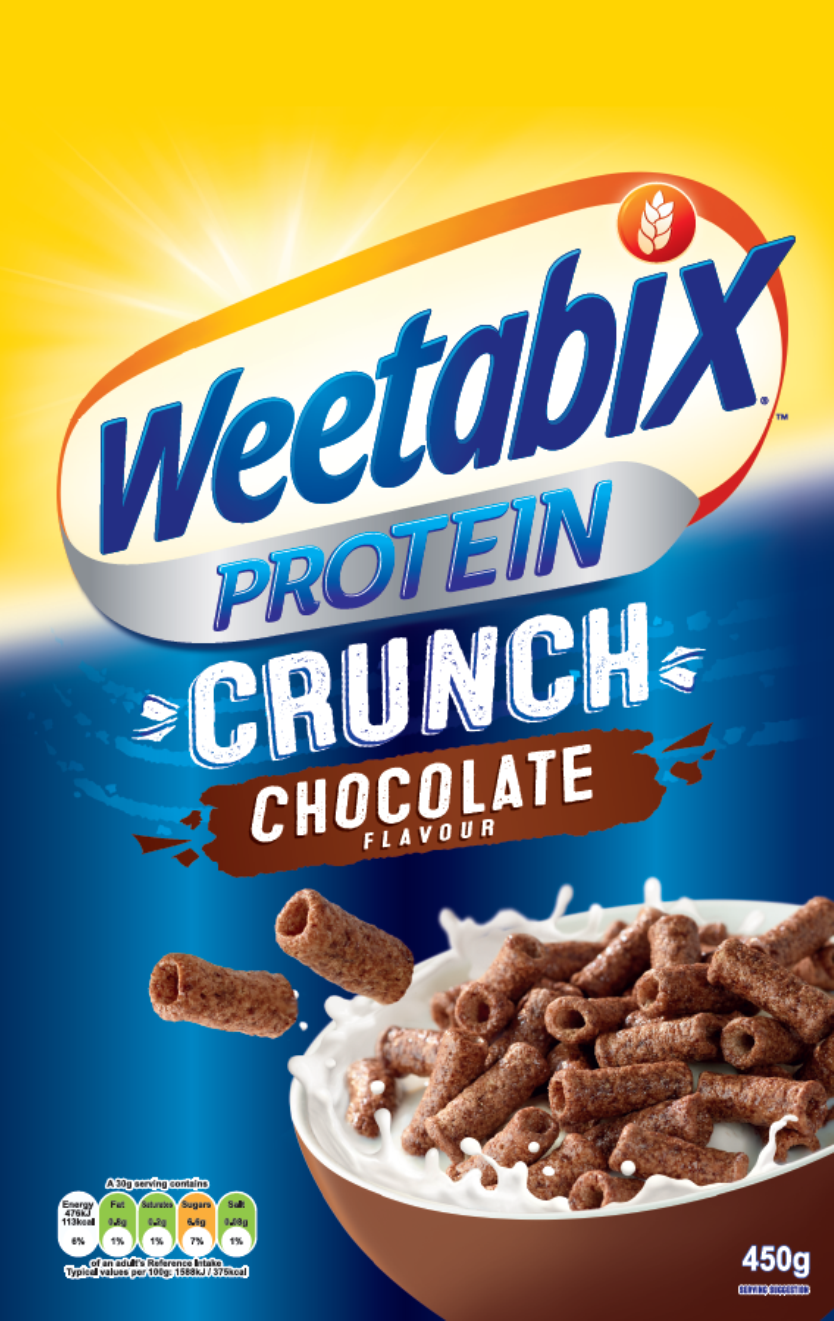


Weetabix Protein Wholegrain Wheat
Analysis updated August 2026 · How Scout scores
At a glance
Summary
This product contains a high percentage of wholegrain wheat, which is beneficial for its fiber content and nutritional value. However, it is classified as ultra-processed due to the inclusion of refined sugar and other processed ingredients like wheat gluten and malted barley extract. While it has some fortified vitamins and minerals, the presence of added sugar and its processing level limit its overall healthiness.
Key ingredients 15
Wholegrain wheatVery Good
Wholegrain wheat is a minimally processed ingredient rich in dietary fiber and essential nutrients. It supports digestive health and provides sustained energy release. The high fiber content also aids in maintaining healthy blood sugar levels.
Benefits
Rich in dietary fiber, vitamins, and minerals, supporting overall health and digestion.
Wheat germGood
Wheat germ is a nutrient-rich component of wheat that provides vitamins, minerals, and healthy fats. It is a good source of vitamin E, folate, and essential fatty acids. Its inclusion enhances the nutritional profile of the product.
Benefits
Rich in vitamins, minerals, and healthy fats, supporting overall health.
Cocoa powderGood
Cocoa powder is rich in antioxidants and provides a natural chocolate flavor. It contains flavonoids that may support heart health and improve mood. Its inclusion adds both flavor and potential health benefits.
Benefits
Rich in antioxidants and flavonoids, supporting heart health and mood.
IronGood
Iron is an essential mineral important for oxygen transport and energy production. It helps prevent anemia and supports overall health. Its inclusion in fortified foods helps meet daily nutritional requirements.
Risks
Excessive intake can lead to iron overload, but this is rare from dietary sources alone.
Benefits
Essential for oxygen transport and energy production, preventing anemia.
Riboflavin (B2)Good
Riboflavin is a B vitamin essential for energy production and cellular function. It supports skin health and helps convert food into energy. Fortification ensures adequate intake for optimal health.
Benefits
Supports energy production and cellular function, promoting skin health.
Thiamin (B1)Good
Thiamin is a B vitamin crucial for energy metabolism and nerve function. It helps convert carbohydrates into energy and supports nervous system health. Fortification helps prevent deficiencies and supports overall well-being.
Benefits
Essential for energy metabolism and nerve function, supporting overall health.
Vitamin DGood
Vitamin D is essential for calcium absorption and bone health. It supports immune function and may reduce the risk of chronic diseases. Fortification helps maintain adequate levels, especially in regions with limited sunlight exposure.
Risks
Excessive intake can lead to toxicity, but this is rare from dietary sources alone.
Benefits
Supports calcium absorption and bone health, enhancing immune function.
Wheat glutenNeutral
Wheat gluten is a protein component of wheat that enhances the protein content of the product. It is commonly used in food products to improve texture and elasticity. While beneficial for protein content, it may cause issues for those with gluten sensitivity or celiac disease.
Risks
May cause adverse reactions in individuals with gluten intolerance or celiac disease.
Benefits
Increases protein content, contributing to muscle maintenance and repair.
Malted barley extractNeutral
Malted barley extract is used for its flavor and as a natural sweetener. It is derived from barley grains that have been soaked, germinated, and dried. While it adds flavor, it contributes to the sugar content of the product.
Risks
Contributes to the overall sugar content, which should be monitored in high-sugar diets.
Benefits
Provides a natural source of sweetness and flavor enhancement.
Rice flourNeutral
Rice flour is a gluten-free flour alternative used to improve texture and bulk. It is a source of carbohydrates but lacks significant nutritional diversity. It is generally well-tolerated and suitable for gluten-free diets.
Benefits
Provides a gluten-free carbohydrate source, suitable for those with gluten intolerance.
Wheat starchNeutral
Wheat starch is used to improve texture and consistency in food products. It is a refined carbohydrate with limited nutritional value. While it enhances texture, it does not contribute significantly to nutritional intake.
Benefits
Improves texture and consistency in food products.
SaltNeutral
Salt is used to enhance flavor and preserve food. It is a necessary nutrient but should be consumed in moderation to avoid health issues. Excessive salt intake can lead to hypertension and cardiovascular problems.
Risks
Excessive consumption can lead to hypertension and cardiovascular issues.
Benefits
Enhances flavor and acts as a preservative.
NiscinNeutral
Niscin is a natural preservative used to inhibit bacterial growth in food products. It is considered safe for consumption and helps extend shelf life. Its use is common in processed foods to maintain freshness.
Benefits
Helps preserve food by inhibiting bacterial growth, extending shelf life.
Folic acidNeutral
Standard formulation ingredient — neither beneficial nor harmful at typical use.
Risks
Excessive intake can mask vitamin B12 deficiency, but this is rare from dietary sources.
Benefits
Supports DNA synthesis and cell division, crucial for fetal development.
SugarBad
Refined sugar is added to enhance sweetness but offers no nutritional benefits. Excessive consumption can lead to health issues such as obesity and diabetes. It is a source of empty calories with no essential nutrients.
Risks
High intake can contribute to obesity, diabetes, and other metabolic disorders.
Processing
Ultra-Processed Foods
Get the full breakdown in the Scout appTake Scout shopping
Scan any product to see lab results, healthy alternatives, and your personalized analysis.
Download on theApp Store GET IT ONGoogle PlayAmazon pricing & content
Amazon price as of . Product prices and availability are accurate as of the date/time indicated and are subject to change. Any price and availability information displayed on Amazon.com at the time of purchase will apply to the purchase of this product.
CERTAIN CONTENT THAT APPEARS ON THIS SITE COMES FROM AMAZON. THIS CONTENT IS PROVIDED “AS IS” AND IS SUBJECT TO CHANGE OR REMOVAL AT ANY TIME.