

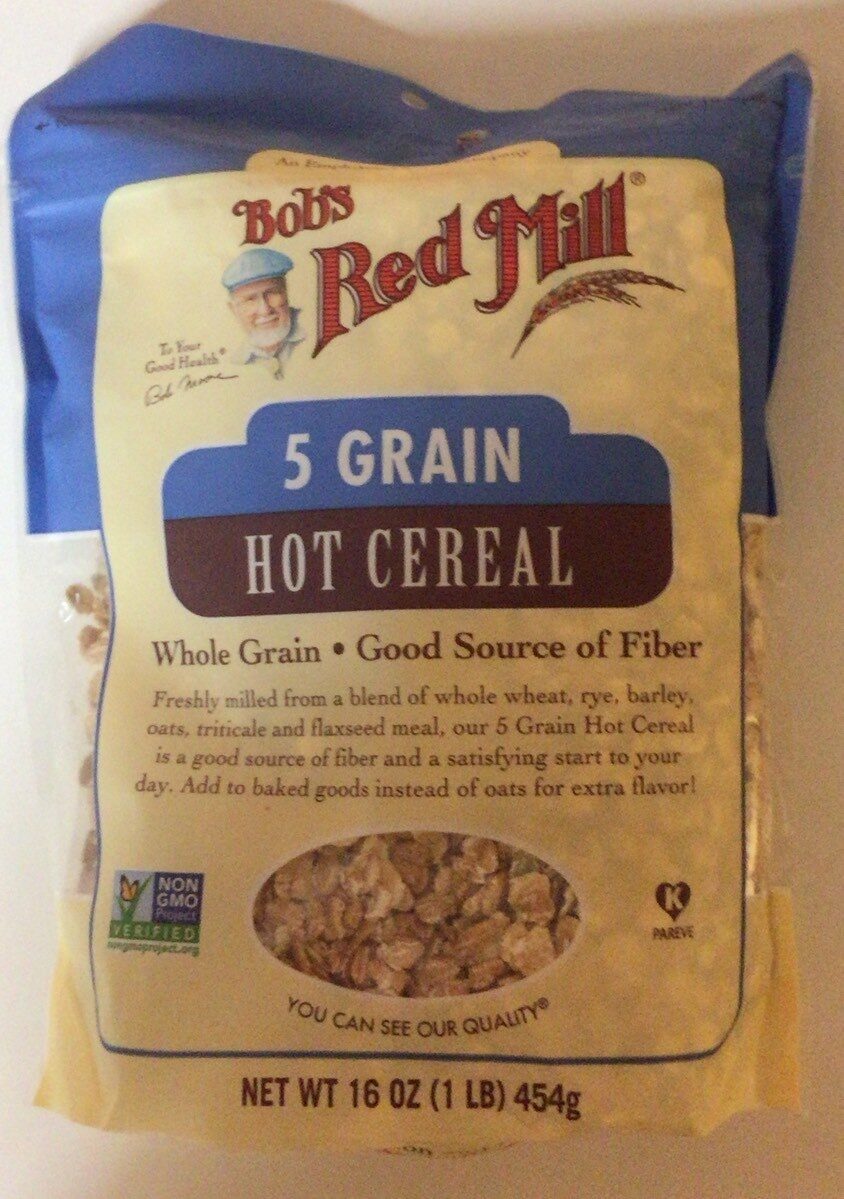


At a glance
Summary
This cereal contains beneficial ingredients like oat protein, oat fiber, and prebiotic fiber, which contribute to muscle maintenance, digestion, and gut health. However, it is classified as ultra-processed due to the inclusion of ingredients like natural flavor, which lacks transparency and may include additives. The processing level limits the potential health benefits despite the presence of some nutritious components.
Key ingredients 15
Oat proteinGood
Oat protein is a plant-based protein source that provides essential amino acids. It is less processed compared to other plant-based proteins like soy isolates. Oat protein is beneficial for muscle maintenance and repair.
Benefits
Provides essential amino acids and supports muscle maintenance and repair. It is a good alternative for those avoiding animal proteins.
Oat fiberGood
Oat fiber is a natural source of dietary fiber that aids in digestion and promotes satiety. It is minimally processed and retains beneficial nutrients. Oat fiber can help regulate blood sugar levels.
Benefits
Supports digestive health and helps maintain stable blood sugar levels. Promotes a feeling of fullness, which can aid in weight management.
Prebiotic fiberGood
Prebiotic fiber supports gut health by promoting the growth of beneficial bacteria. It is typically derived from natural sources and is minimally processed. Prebiotic fiber can enhance nutrient absorption and immune function.
Benefits
Promotes a healthy gut microbiome and enhances nutrient absorption. Supports immune function and overall digestive health.
Sea saltGood
Sea salt is a natural source of sodium and trace minerals. It is minimally processed compared to refined table salt. Sea salt can enhance flavor while providing essential minerals.
Risks
Excessive sodium intake can lead to hypertension and cardiovascular issues.
Benefits
Provides essential minerals and enhances flavor. Less processed than refined table salt.
Gluten-free oat proteinGood
Gluten-free oat protein is a plant-based protein that is suitable for those with gluten sensitivities. It is minimally processed and provides essential amino acids. Oat protein supports muscle maintenance and repair.
Benefits
Suitable for those with gluten sensitivities and provides essential amino acids. Supports muscle maintenance and repair.
Faba proteinNeutral
Faba protein is a plant-based protein derived from faba beans, providing a good amino acid profile. It is less processed than some other plant proteins but may not be as bioavailable as animal proteins. Faba protein is a suitable option for those seeking plant-based protein sources.
Risks
May cause digestive discomfort in some individuals due to oligosaccharides.
Benefits
Provides a plant-based protein source with a decent amino acid profile. Suitable for vegetarians and vegans.
Cranberry seed powderNeutral
Cranberry seed powder is a source of fiber and antioxidants. It is minimally processed and retains some of the nutritional benefits of whole cranberries. However, its contribution to overall nutrition is limited in small quantities.
Benefits
Contains antioxidants that may support overall health. Provides dietary fiber, which aids in digestion.
IsomalutoseNeutral
Isomalutose is a carbohydrate that provides a slow release of energy. It is less processed than refined sugars and has a lower glycemic index. It can be a better alternative to high-glycemic sweeteners.
Risks
Excessive consumption may lead to digestive discomfort.
Benefits
Provides a slow release of energy and has a lower glycemic index compared to refined sugars.
Monk fruit juice extractNeutral
Monk fruit juice extract is a natural sweetener with zero calories. It is derived from monk fruit and is minimally processed. It is a suitable alternative for those looking to reduce sugar intake.
Benefits
Provides sweetness without calories, making it suitable for low-calorie diets.
Tapioca starchNeutral
Tapioca starch is a carbohydrate extracted from cassava root. It is used as a thickening agent and is gluten-free. While it provides energy, it lacks significant nutritional benefits.
Benefits
Gluten-free and suitable for those with gluten sensitivities. Provides a source of energy.
Corn starchNeutral
Corn starch is a refined carbohydrate used as a thickener. It is highly processed and provides little nutritional value. Corn starch is commonly used in processed foods for texture.
Benefits
Provides a source of energy and is useful for thickening and texture in food products.
Potato proteinNeutral
Potato protein is a plant-based protein with a decent amino acid profile. It is less processed than some other plant proteins but may not be as bioavailable as animal proteins. Potato protein is a suitable option for those seeking plant-based protein sources.
Benefits
Provides a plant-based protein source with a decent amino acid profile. Suitable for vegetarians and vegans.
Corn flourNeutral
Corn flour is a refined carbohydrate used in baking and cooking. It is highly processed and provides little nutritional value. Corn flour is commonly used in processed foods for texture and structure.
Benefits
Provides a source of energy and is useful for texture and structure in food products.
Citric acidNeutral
Citric acid is a natural preservative and flavor enhancer. It is commonly used in food processing to add acidity and preserve freshness. Citric acid is generally recognized as safe when consumed in typical food amounts.
Risks
Excessive consumption may cause dental erosion or gastrointestinal discomfort.
Benefits
Enhances flavor and preserves freshness in food products. Generally recognized as safe in typical food amounts.
Natural flavorBad
Natural flavor is a vague term that can encompass a wide range of substances, potentially including additives and preservatives. It is often highly processed and lacks transparency in ingredient sourcing. The lack of specificity makes it difficult to assess health impacts accurately.
Risks
Potential for hidden additives and allergens. Lack of transparency in ingredient sourcing.
Processing
Ultra-Processed Foods
Get the full breakdown in the Scout appTake Scout shopping
Scan any product to see lab results, healthy alternatives, and your personalized analysis.
Download on theApp Store GET IT ONGoogle Play