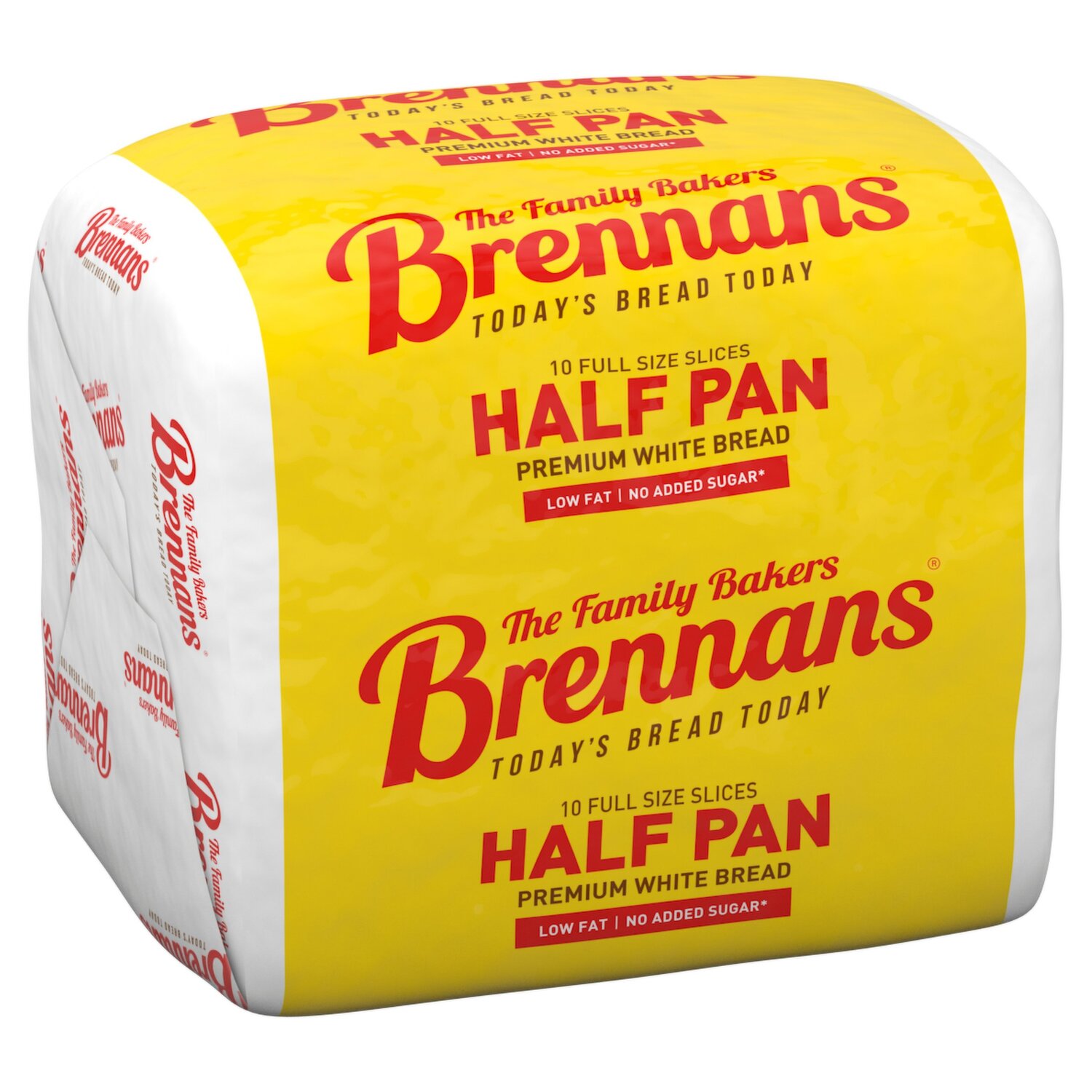
Brennans Half Pan Whole Grain Bread
At a glance
Summary
This bread contains beneficial ingredients like wholemeal wheat flour and cracked wholegrain wheat, which provide fiber and nutrients. However, it is a processed food with added ingredients such as refined flour and soya, which slightly detract from its overall healthiness. The presence of these processed elements limits its score, despite the inclusion of whole grains.
Key ingredients 12
NiacinGood
Beneficial ingredient — whole-food or functional value in this product class.
Risks
High doses can cause flushing and liver damage.
Benefits
Supports energy metabolism and skin health.
Wholemeal Wheat FlourGood
Wholemeal wheat flour retains the bran and germ, providing more fiber and nutrients than refined flour. It supports digestive health and provides a more sustained energy release. The presence of whole grains is associated with reduced risk of chronic diseases.
Benefits
Rich in fiber and nutrients, supporting digestive health and reducing chronic disease risk.
Cracked Wholegrain WheatGood
Cracked wholegrain wheat provides additional fiber and nutrients compared to refined grains. It contributes to a hearty texture and supports digestive health. Whole grains are linked to a lower risk of heart disease and improved weight management.
Benefits
Provides fiber and nutrients, supporting heart health and weight management.
FlourNeutral
Flour is a staple ingredient in bread, providing structure and texture. It is typically refined, which reduces its nutritional content compared to whole grain options. The processing removes the bran and germ, leading to a loss of fiber and nutrients.
Risks
Refined flour can contribute to blood sugar spikes and lacks fiber.
Benefits
Provides carbohydrates for energy but lacks significant nutritional benefits compared to whole grain flour.
Calcium CarbonateNeutral
Calcium carbonate is used as a dietary supplement to increase calcium intake. It is a common fortification in bread to enhance nutritional value. However, it does not provide the same benefits as naturally occurring calcium in whole foods.
Risks
Excessive intake may lead to kidney stones or interfere with absorption of other minerals.
Benefits
Helps in maintaining bone health by providing calcium.
IronNeutral
Iron is added to bread to prevent deficiencies and support oxygen transport in the body. It is an essential mineral but is often added in a form that may not be as easily absorbed as iron from animal sources. Fortification helps meet daily iron requirements.
Risks
Excessive iron intake can lead to toxicity and gastrointestinal issues.
Benefits
Supports oxygen transport and energy production in the body.
ThiaminNeutral
Thiamin, or vitamin B1, is added to bread to prevent deficiencies and support energy metabolism. It is an essential nutrient but is often added in synthetic form. Fortification helps ensure adequate intake of this vitamin.
Benefits
Supports energy metabolism and nervous system function.
WaterNeutral
Water is a basic ingredient in bread, necessary for dough formation and texture. It is a neutral component with no direct nutritional impact. Its primary role is to hydrate the flour and activate yeast.
Benefits
Essential for dough formation and texture in bread.
YeastNeutral
Yeast is used in bread to leaven the dough, creating a light and airy texture. It is a natural ingredient with no significant nutritional impact. Yeast fermentation can enhance the flavor and digestibility of bread.
Benefits
Contributes to bread texture and flavor through fermentation.
SaltNeutral
Salt is used in bread to enhance flavor and control yeast activity. It is a common ingredient but should be consumed in moderation due to potential health impacts. Excessive salt intake is linked to high blood pressure.
Risks
High sodium intake can lead to hypertension and cardiovascular issues.
Benefits
Enhances flavor and controls yeast activity in bread.
SoyaNeutral
Soya is included in bread for its protein content and potential to improve texture. It is a plant-based ingredient that can be beneficial for those avoiding animal products. However, it may cause allergies in some individuals.
Risks
May cause allergic reactions in sensitive individuals.
Benefits
Provides plant-based protein and can improve bread texture.
Wheat FlourBad
Refined grain flour stripped of bran and germ.
Risks
May contribute to blood sugar spikes and lacks fiber.
Benefits
Provides carbohydrates for energy but lacks significant nutritional benefits compared to whole grain flour.
Processing
Processed Foods
Get the full breakdown in the Scout appTake Scout shopping
Scan any product to see lab results, healthy alternatives, and your personalized analysis.