


At a glance
Summary
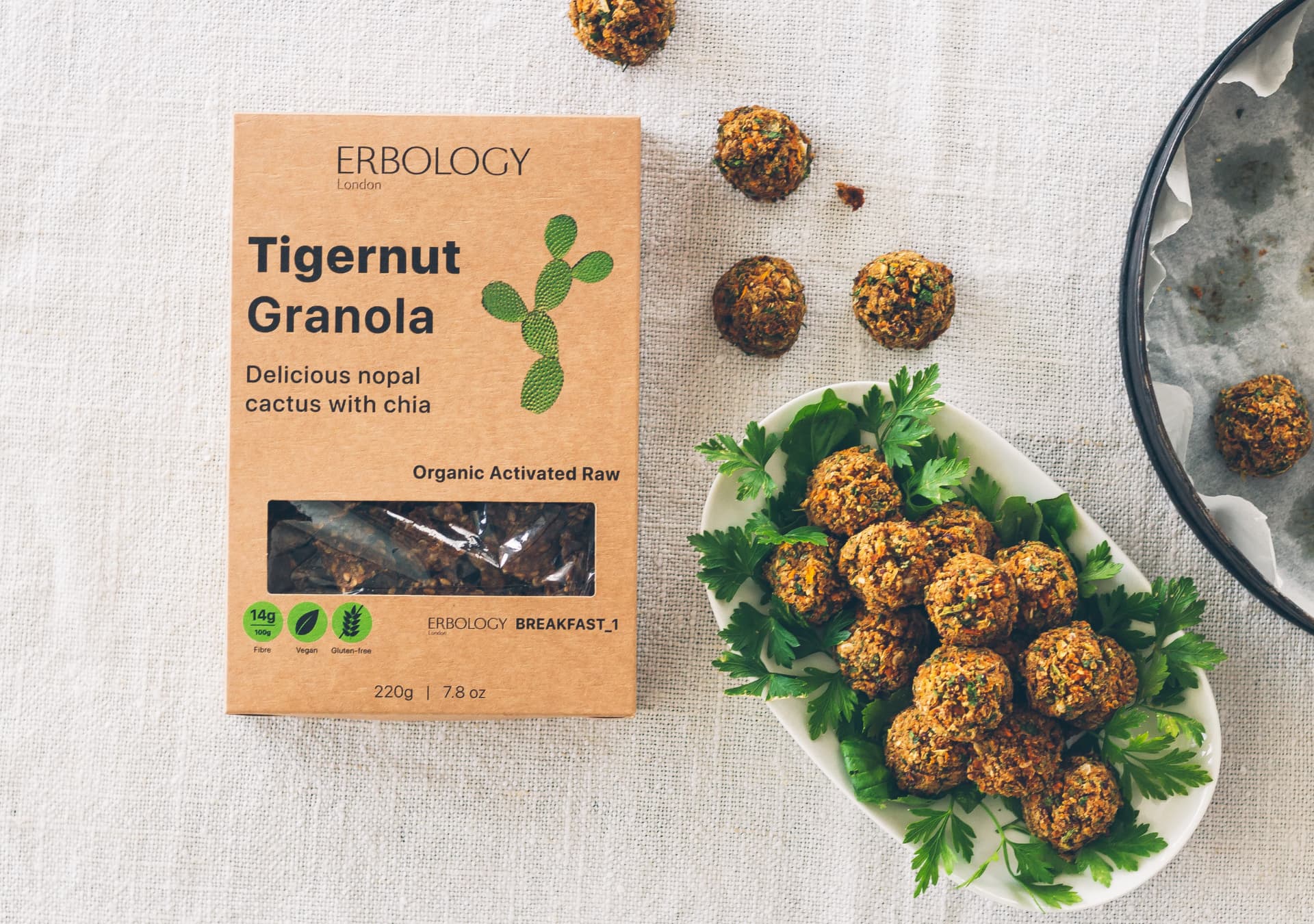
This granola contains a mix of beneficial ingredients such as gluten-free oats, nuts, and seeds, which provide essential nutrients and healthy fats. However, the presence of rapeseed oil, a highly processed seed oil, detracts from its overall healthiness. Additionally, the product's processing level limits its potential score, despite the relatively clean ingredient list.
Key ingredients 10
Gluten free oatsGood
Gluten free oats are a good source of dietary fiber and essential nutrients. They are minimally processed and provide a slow release of energy. Oats are known for their heart health benefits and ability to lower cholesterol levels.
Benefits
Rich in beta-glucan, a type of soluble fiber that can help reduce cholesterol and improve heart health.
CashewsGood
Cashews are rich in healthy fats, protein, and essential minerals like magnesium and zinc. They are minimally processed and provide a creamy texture to foods. Cashews support heart health and bone strength.
Risks
Potential allergen for individuals with nut allergies.
Benefits
Provide healthy monounsaturated fats and are a good source of plant-based protein.
AlmondsGood
Almonds are high in healthy fats, fiber, and vitamin E. They are minimally processed and contribute to heart health and skin health. Almonds are also known for their antioxidant properties.
Risks
Potential allergen for individuals with nut allergies.
Benefits
Rich in vitamin E and antioxidants, which support skin health and reduce oxidative stress.
HazelnutsGood
Hazelnuts are a good source of healthy fats, vitamins, and minerals. They are minimally processed and provide a rich flavor to foods. Hazelnuts support heart health and provide antioxidant benefits.
Risks
Potential allergen for individuals with nut allergies.
Benefits
Contain healthy fats and antioxidants that support heart health and reduce inflammation.
Maple syrupGood
Beneficial ingredient — whole-food or functional value in this product class.
Risks
High sugar content can contribute to increased calorie intake and potential blood sugar spikes.
Benefits
Contains trace minerals like manganese and zinc, and provides a natural source of sweetness.
Sunflower seedsGood
Beneficial ingredient — whole-food or functional value in this product class.
Risks
Potential allergen for individuals with seed allergies.
Benefits
Rich in vitamin E and healthy fats, supporting heart health and reducing inflammation.
Pumpkin seedsGood
Pumpkin seeds are a rich source of magnesium, zinc, and healthy fats. They are minimally processed and provide a crunchy texture to foods. Pumpkin seeds support heart health and provide antioxidant benefits.
Risks
Potential allergen for individuals with seed allergies.
Benefits
High in magnesium and zinc, supporting bone health and immune function.
Date syrupNeutral
Date syrup is a natural sweetener derived from dates, providing a source of natural sugars. It is less processed than refined sugars and retains some nutrients from the fruit. However, it still contributes to overall sugar intake.
Risks
High in natural sugars, which can contribute to increased calorie intake if consumed in excess.
Benefits
Provides natural sweetness and contains some vitamins and minerals from dates.
Orange juiceNeutral
Orange juice provides vitamin C and natural sugars. It is a source of antioxidants and can support immune health. However, it is high in sugars and should be consumed in moderation.
Risks
High sugar content can contribute to increased calorie intake and potential blood sugar spikes.
Benefits
Rich in vitamin C, which supports immune function and skin health.
Rapeseed oilVery Bad
Rapeseed oil is a seed oil high in omega-6 fatty acids, which can promote inflammation when consumed in excess. It is highly processed and often refined, which can reduce its nutritional value. The extraction process may involve chemical solvents.
Risks
High omega-6 content may promote inflammation when consumed in excess.
Processing
Processed Foods
Get the full breakdown in the Scout appTake Scout shopping
Scan any product to see lab results, healthy alternatives, and your personalized analysis.
Download on theApp Store GET IT ONGoogle Play